

Tech Giant Office Fitout: Creating Dynamic Workspaces for Digital Innovation
The successful completion of this vibrant office fitout for a leading social media and technology company demonstrates our expertise in creating dynamic, brand-aligned workspaces that support innovation and collaboration. This comprehensive project encompassed principal contracting and project management services, delivering a workplace environment that reflects the company’s creative culture while incorporating cutting-edge technology infrastructure and acoustic solutions essential for modern digital platform operations.
The transformation required specialized understanding of technology company workplace requirements, including the integration of high-performance IT infrastructure, flexible collaboration spaces that adapt to agile working methodologies, and acoustic engineering solutions that balance open collaboration with focused work needs. The project showcased our ability to translate bold brand identities into physical workspace design through strategic use of color, graphics, and custom architectural elements that create an inspiring environment for creative and technical teams.
This fitout project illustrates the critical importance of understanding the unique operational requirements of social media and digital platform companies, where workplace design directly impacts employee engagement, creative output, and talent attraction in highly competitive technology employment markets. From initial design coordination through final commissioning, every phase required expert synchronization between specialized technology contractors, acoustic consultants, furniture suppliers, and design teams to deliver a cohesive, high-performance workspace.
Strategic Project Management for Technology Office Environments
As principal contractor for this tech giant fitout, our project management approach emphasized seamless coordination of multiple specialized trades and vendors essential for creating contemporary technology workspaces. The construction process required careful orchestration of IT infrastructure installation including high-capacity data cabling and network equipment, acoustic treatment installation for meeting rooms and collaboration zones, custom millwork fabrication for branded design elements, and integration of advanced audiovisual systems throughout the workspace.
Project coordination protocols addressed the accelerated timelines common in technology sector projects, where companies require rapid workspace delivery to support business expansion and market opportunities. Our management approach prioritized early engagement with long-lead-time vendors, implementation of parallel construction work streams to compress schedules, and proactive risk management strategies that anticipated and mitigated potential delays before they could impact project milestones.
Quality control measures included comprehensive testing of all technology systems prior to handover, detailed acoustic performance verification in meeting spaces and quiet zones, and rigorous inspection of branded design elements to ensure perfect alignment with the client’s exacting brand standards. The delivery approach demonstrated how strategic project management creates value through on-time completion, budget adherence, and flawless execution of complex design visions that define workplace experience for technology companies.
Vibrant Design and Brand Integration Throughout the Workspace
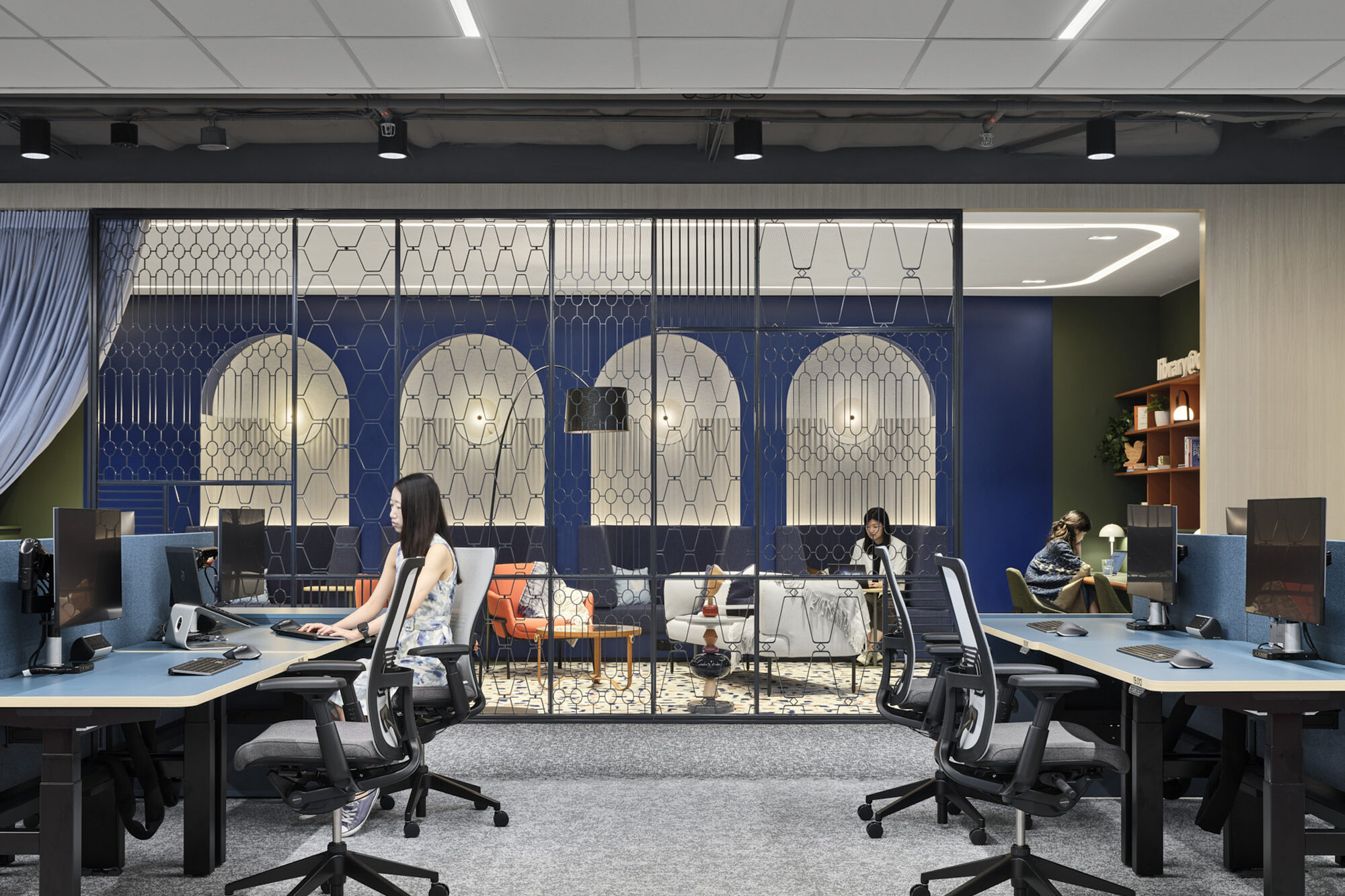
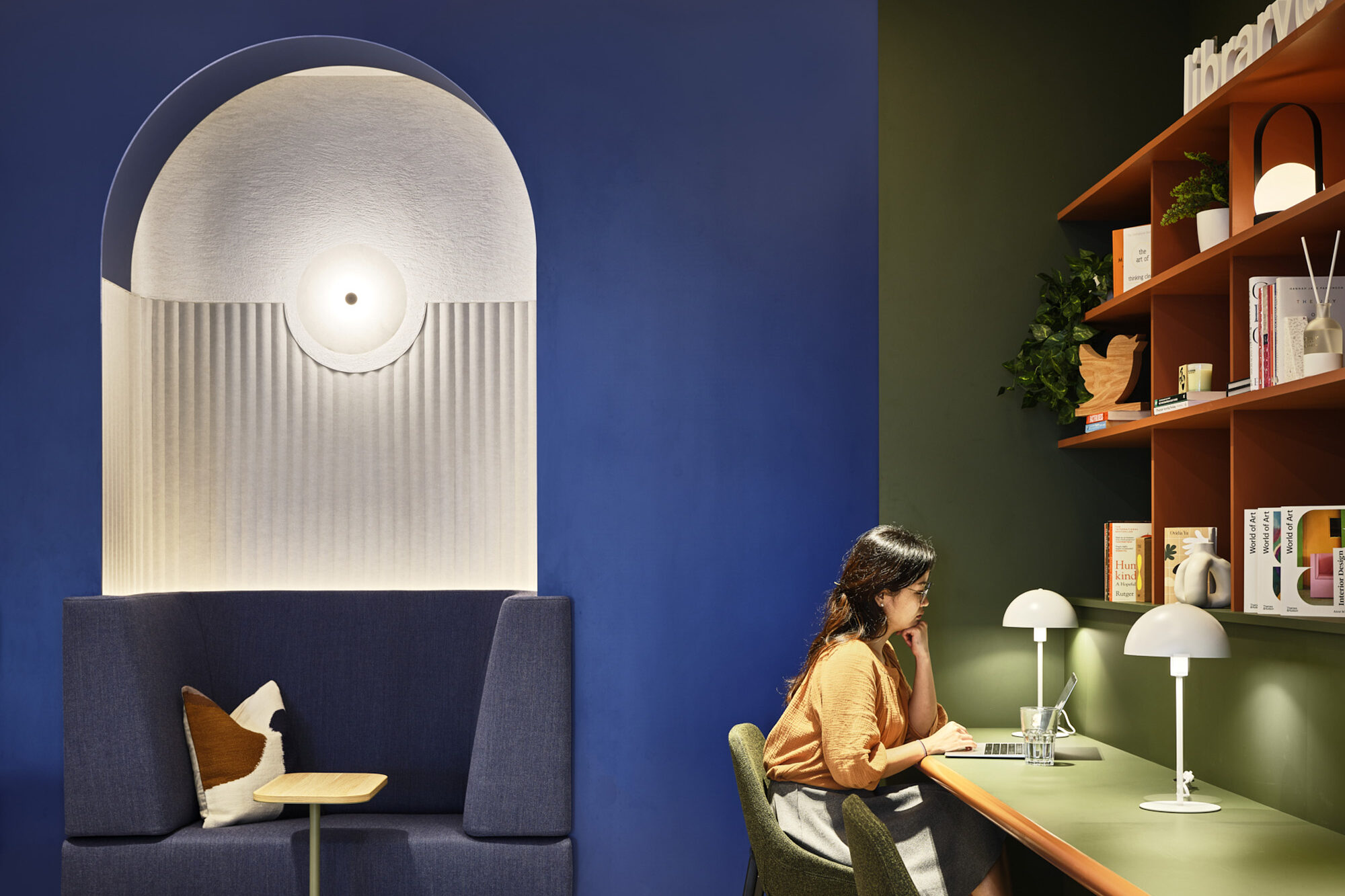
The design philosophy centered on creating an energetic, visually stimulating environment that embodies the company’s innovative culture and reinforces brand identity throughout the employee experience. Strategic use of color created distinct zones within the open-plan layout, helping employees navigate the space intuitively while establishing areas with different energy levels appropriate for various work activities—from high-energy collaboration spaces to calmer zones for focused individual work.
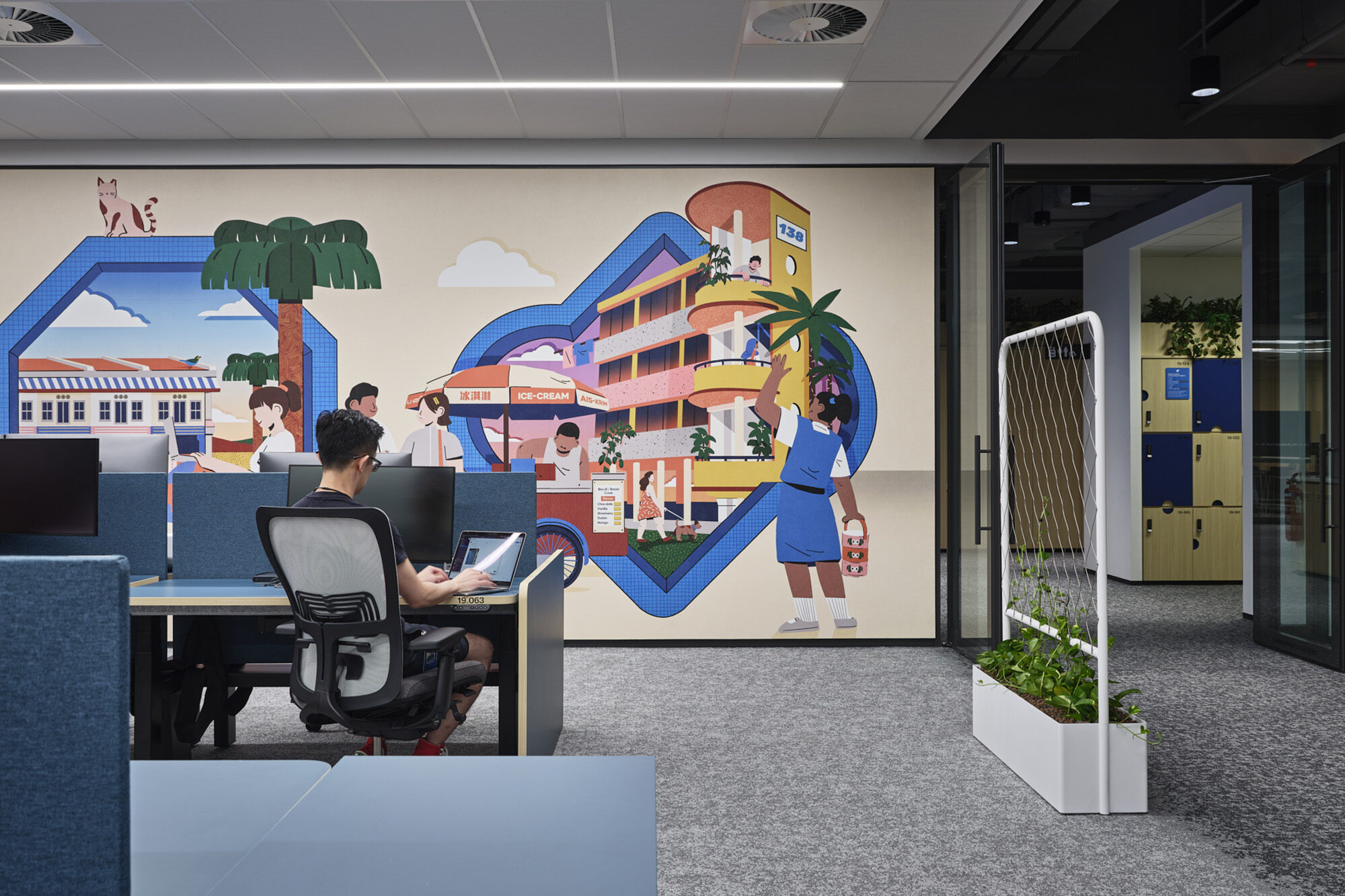
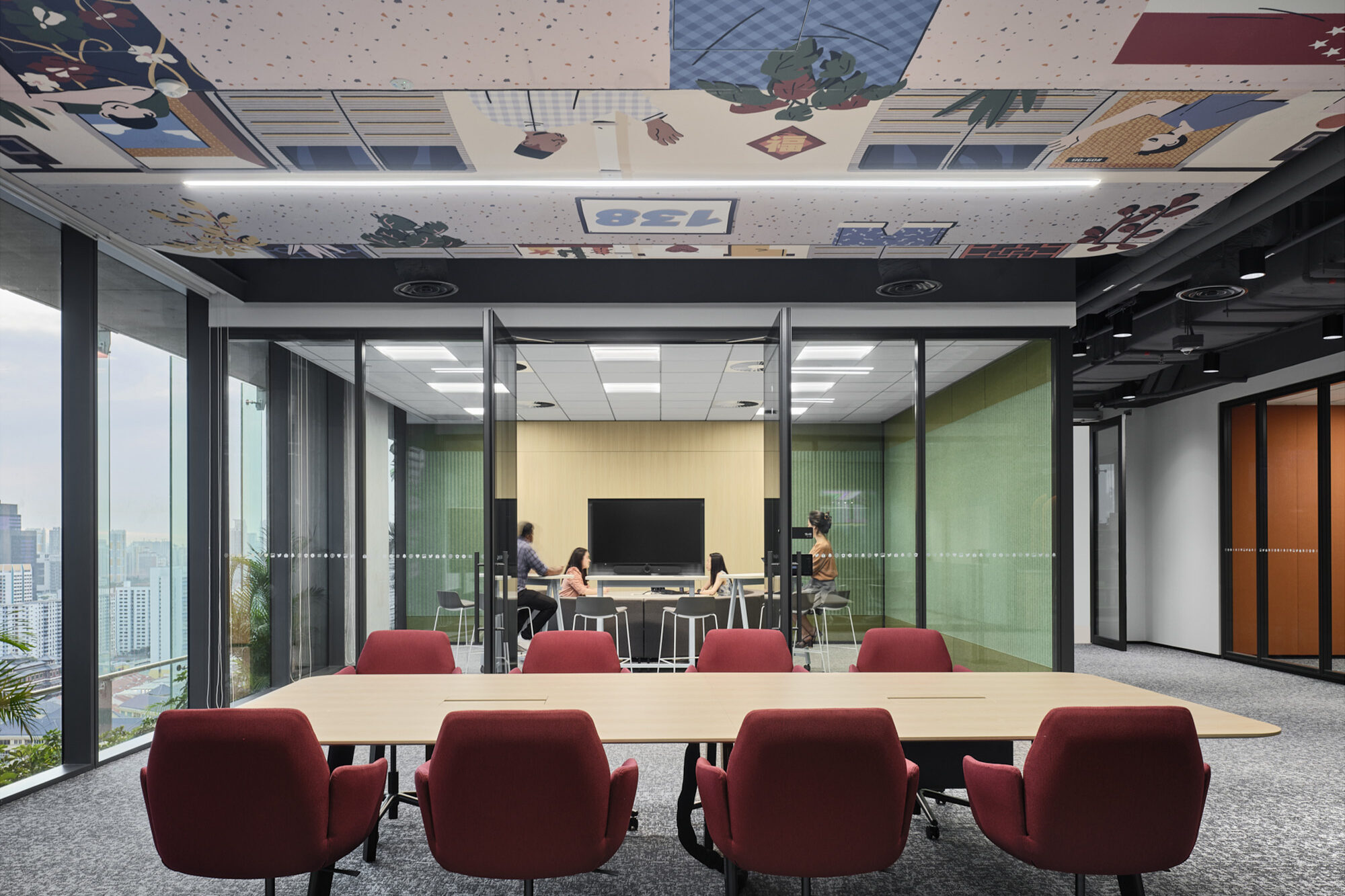
Brand integration extended beyond simple logo placement to encompass custom graphic installations, branded architectural features, and carefully curated material selections that reflect the company’s design language and market positioning. This comprehensive approach to workplace branding creates environments where employees feel connected to company mission and values, supporting both cultural alignment and talent retention in competitive technology employment markets where workplace quality significantly influences recruitment and retention outcomes.
Technology Infrastructure and Acoustic Performance Excellence
The project’s approach to technology integration focused on creating robust, flexible infrastructure that supports current operational needs while accommodating future technology evolution—a critical consideration for social media and digital platform companies where technological change drives continuous workplace adaptation. Infrastructure planning included installation of high-density data networks with enterprise-grade switching equipment, redundant internet connectivity for business continuity, comprehensive audiovisual systems in meeting areas, and smart building integration that enables space utilization analytics and environmental optimization.
Advanced Acoustic Solutions for Collaborative Environments
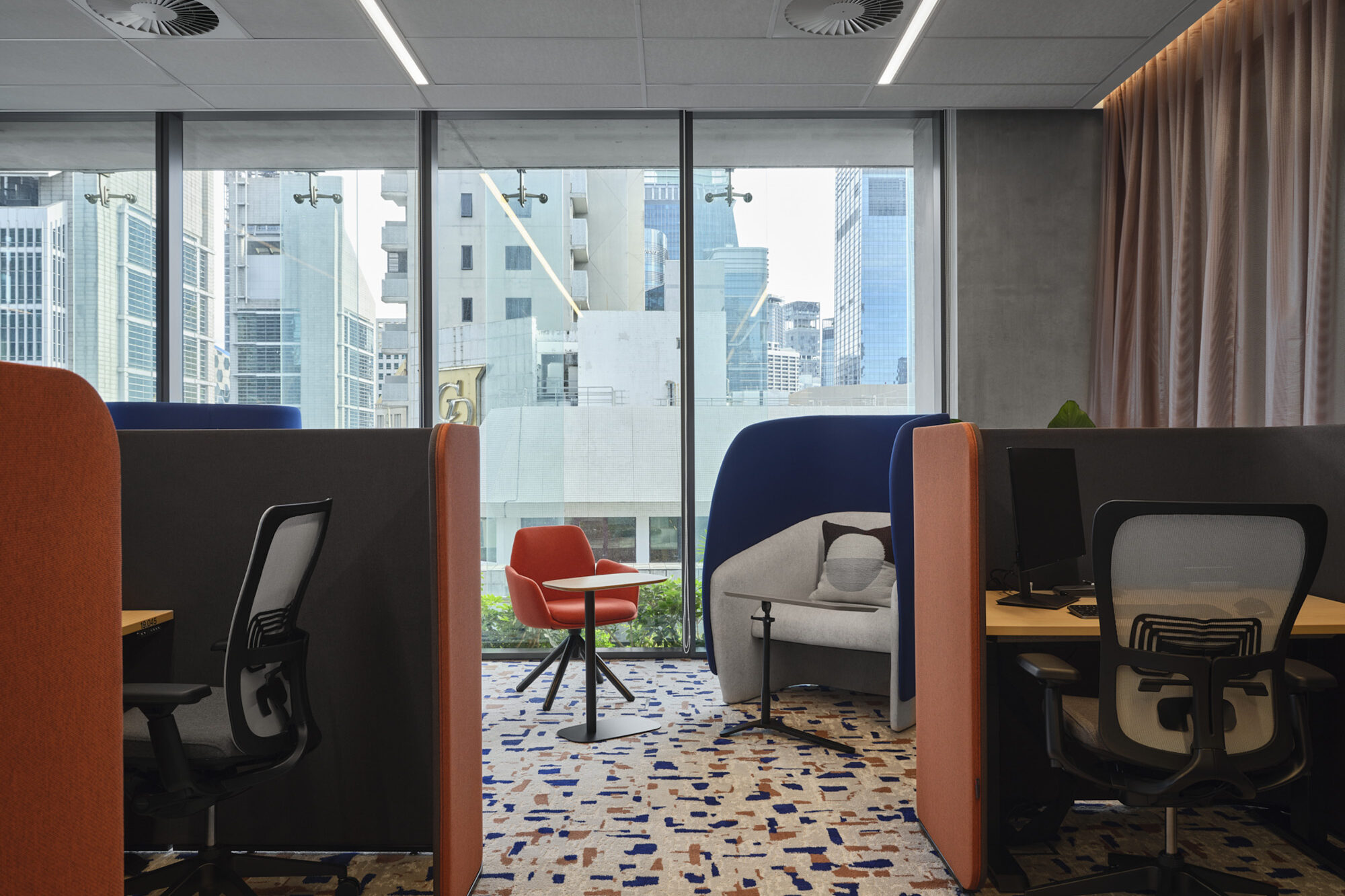
Acoustic engineering represented a critical design challenge, balancing the company’s preference for open, collaborative layouts with the practical need for speech privacy in meeting rooms and sound control in quiet zones. The acoustic strategy incorporated multiple specialized treatments including acoustic ceiling systems with high noise reduction coefficient (NRC) ratings, sound-masking technology in open areas to improve speech privacy, acoustic wall panels in meeting rooms to eliminate echo and improve audio clarity for video conferencing, and strategic space planning that positions noisy collaborative areas away from quiet work zones.
Meeting room acoustic performance received particular attention, with comprehensive treatments ensuring clear communication during both in-person meetings and video conferences—increasingly important for technology companies with distributed teams and global operations. The acoustic solutions demonstrate how technical expertise in building performance creates measurable value through improved employee productivity, reduced acoustic complaints, and enhanced functionality of spaces designed for collaboration and communication.
Social Hub Design: Cafe and Kitchen Areas
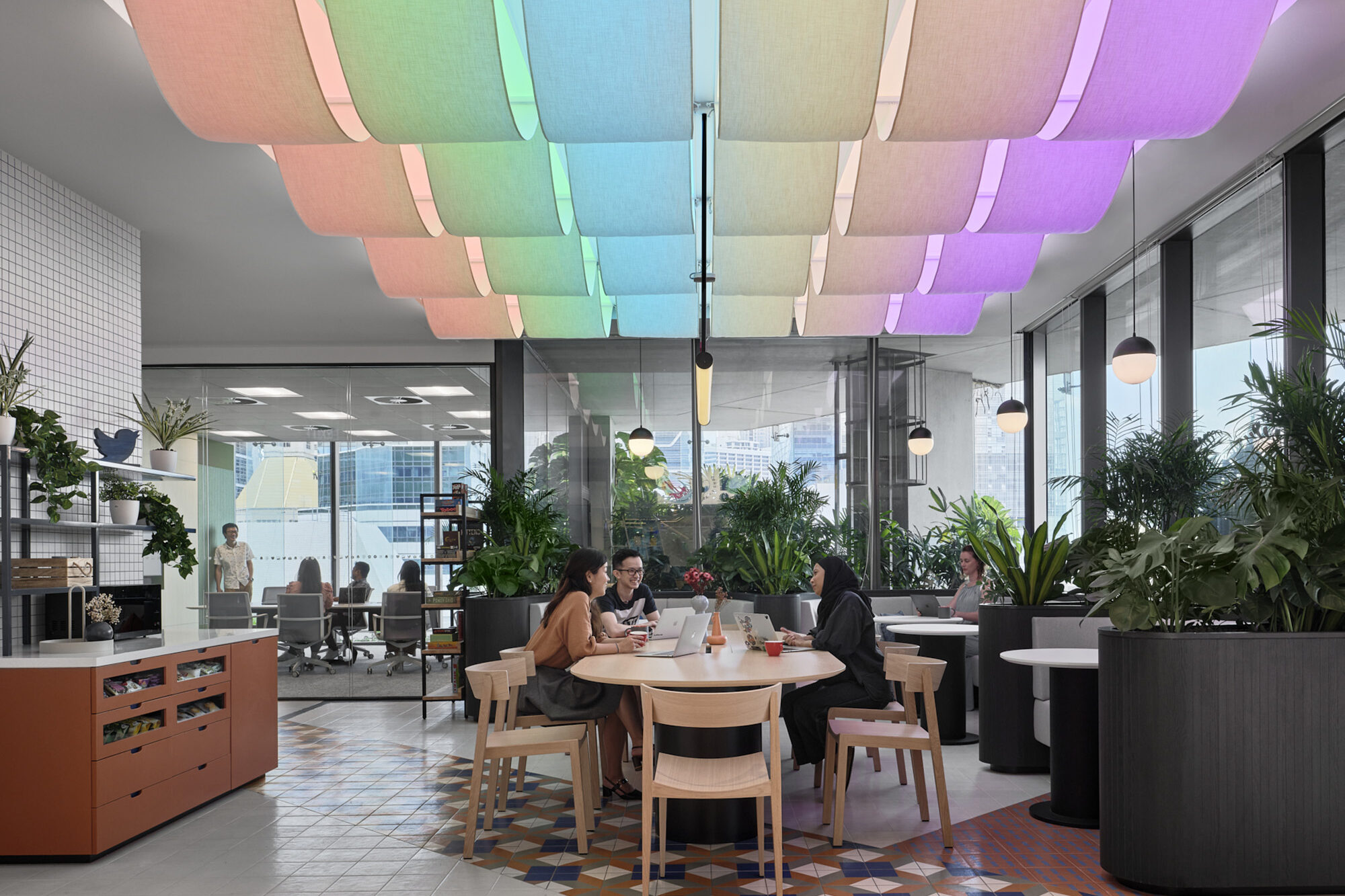
The lively cafe and kitchen area serves as the social heart of the workspace, designed to encourage informal interaction, team building, and creative collaboration that often occurs outside formal meeting settings. The space design incorporated commercial-grade kitchen equipment to support diverse food service options, flexible seating arrangements that accommodate both individual breaks and team gatherings, vibrant design elements that create an energetic, welcoming atmosphere, and integration with collaborative zones that blur boundaries between social and work activities.
This approach to workplace hospitality reflects contemporary understanding of how social spaces contribute to employee satisfaction, corporate culture development, and the informal knowledge sharing that drives innovation in technology companies. The cafe design demonstrates how thoughtful amenity planning creates value beyond basic functionality, establishing spaces that support wellbeing, community building, and the authentic company culture that technology workers increasingly prioritize when evaluating employment opportunities.
Flexible Meeting Solutions and Quiet Zone Design
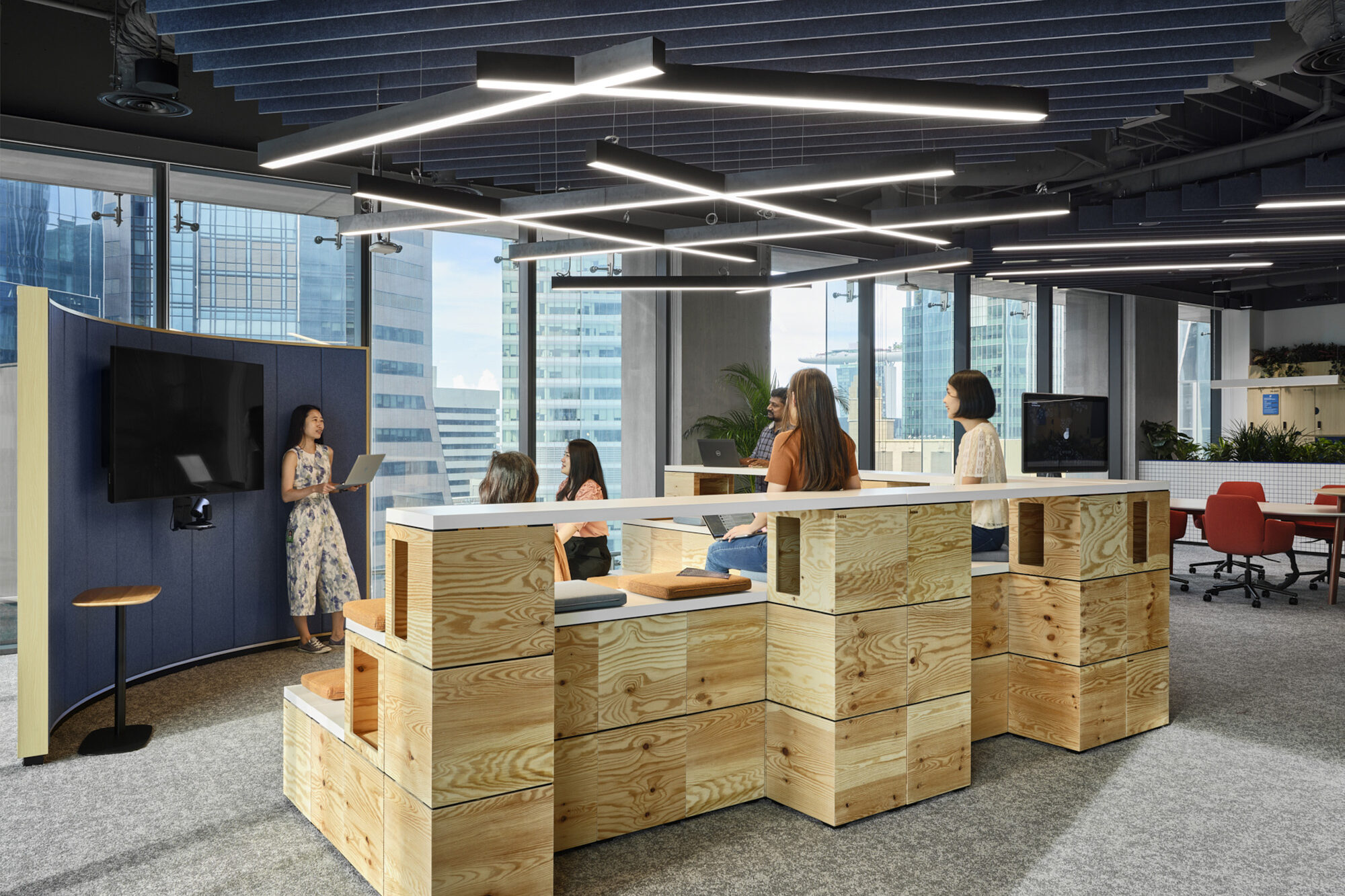
The workspace incorporates separate meeting areas with diverse configurations that support various collaboration needs—from small huddle rooms for quick team sync-ups to larger conference rooms for client presentations and all-hands gatherings. Each meeting space features integrated audiovisual technology including wireless presentation systems, high-quality video conferencing equipment, and intuitive control interfaces that enable seamless technology use without requiring specialized technical support.
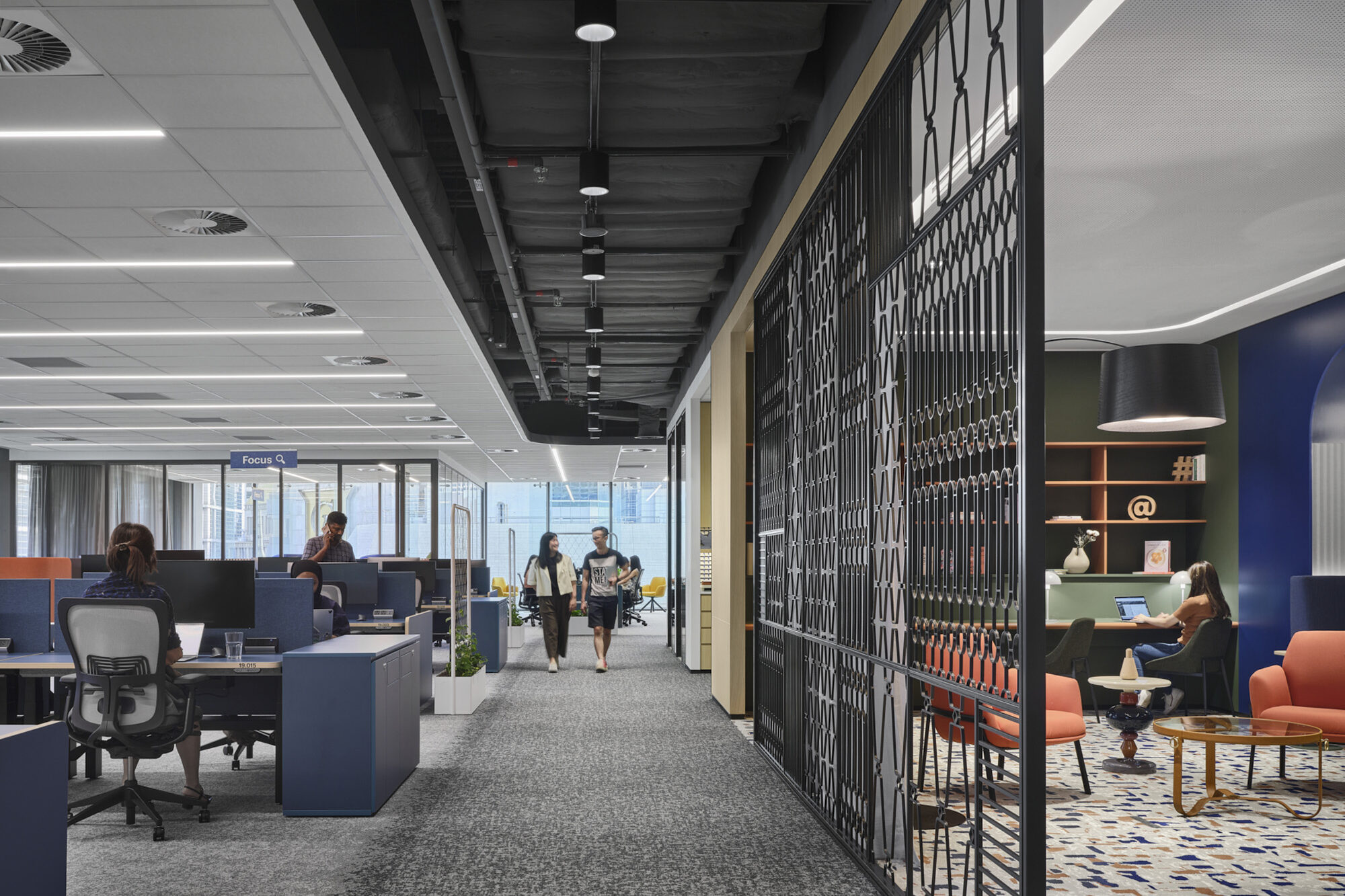
Complementing the collaborative areas, dedicated quiet zones provide employees with spaces for focused individual work, phone calls requiring privacy, or simply respite from the energy of open collaboration areas. This balanced approach to space planning recognizes that effective workplace design must accommodate diverse work modes and individual work style preferences, creating environments where all employees can perform at their best regardless of task requirements or personal working preferences.
The successful integration of vibrant collaborative spaces, technology infrastructure, acoustic performance, and thoughtful amenity design demonstrates how expert project management and principal contracting services deliver workplaces that support business objectives while creating inspiring environments where technology companies can attract top talent, foster innovation, and build strong corporate cultures that drive competitive advantage in dynamic global markets.