

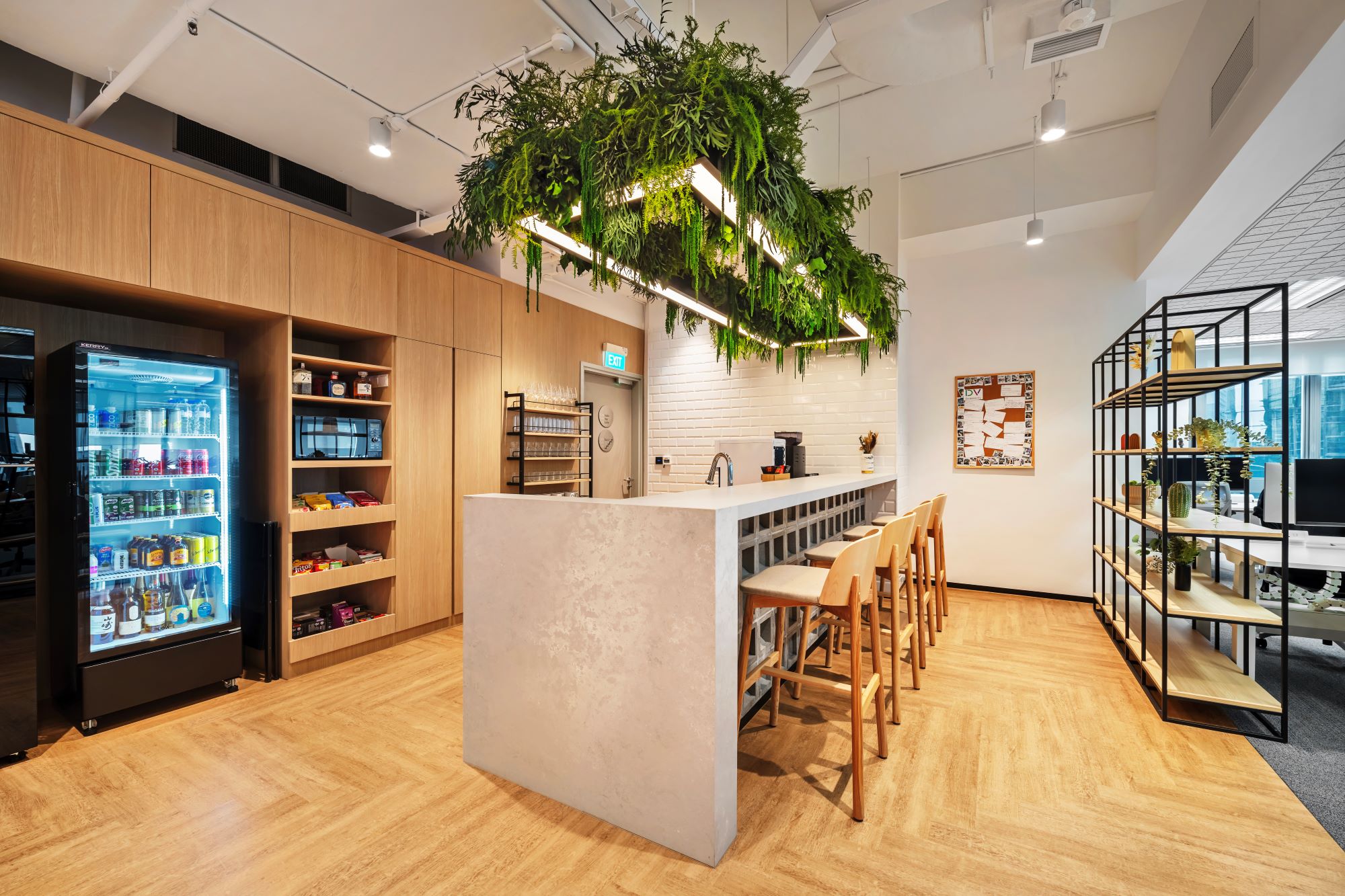
DoubleVerify Singapore, Project Management.

DoubleVerify Singapore, Project Management

Facilitate was appointed by DoubleVerify to design and build their new office space at Prudential Tower, aimed at accommodating the company’s rapid growth.

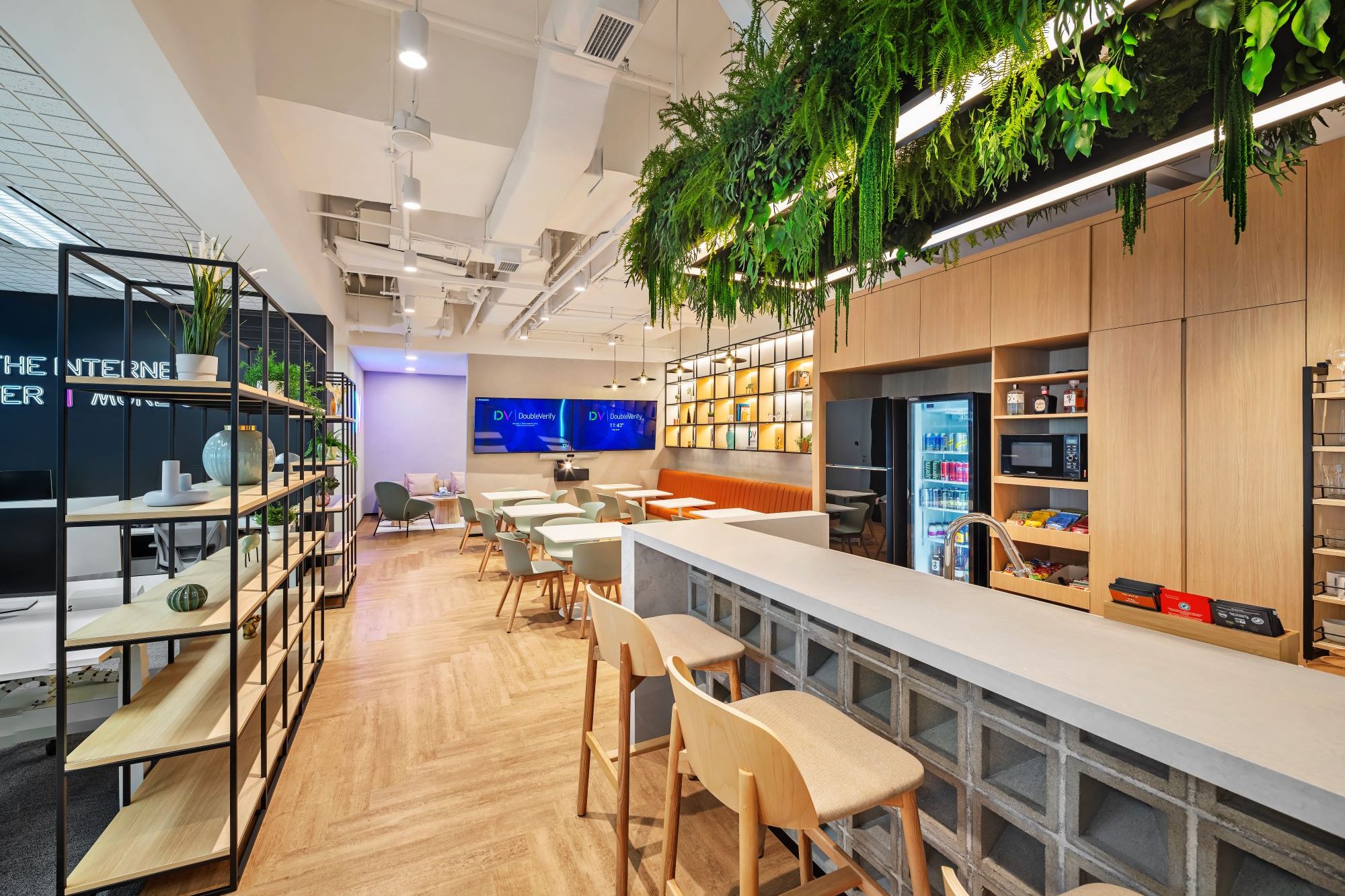
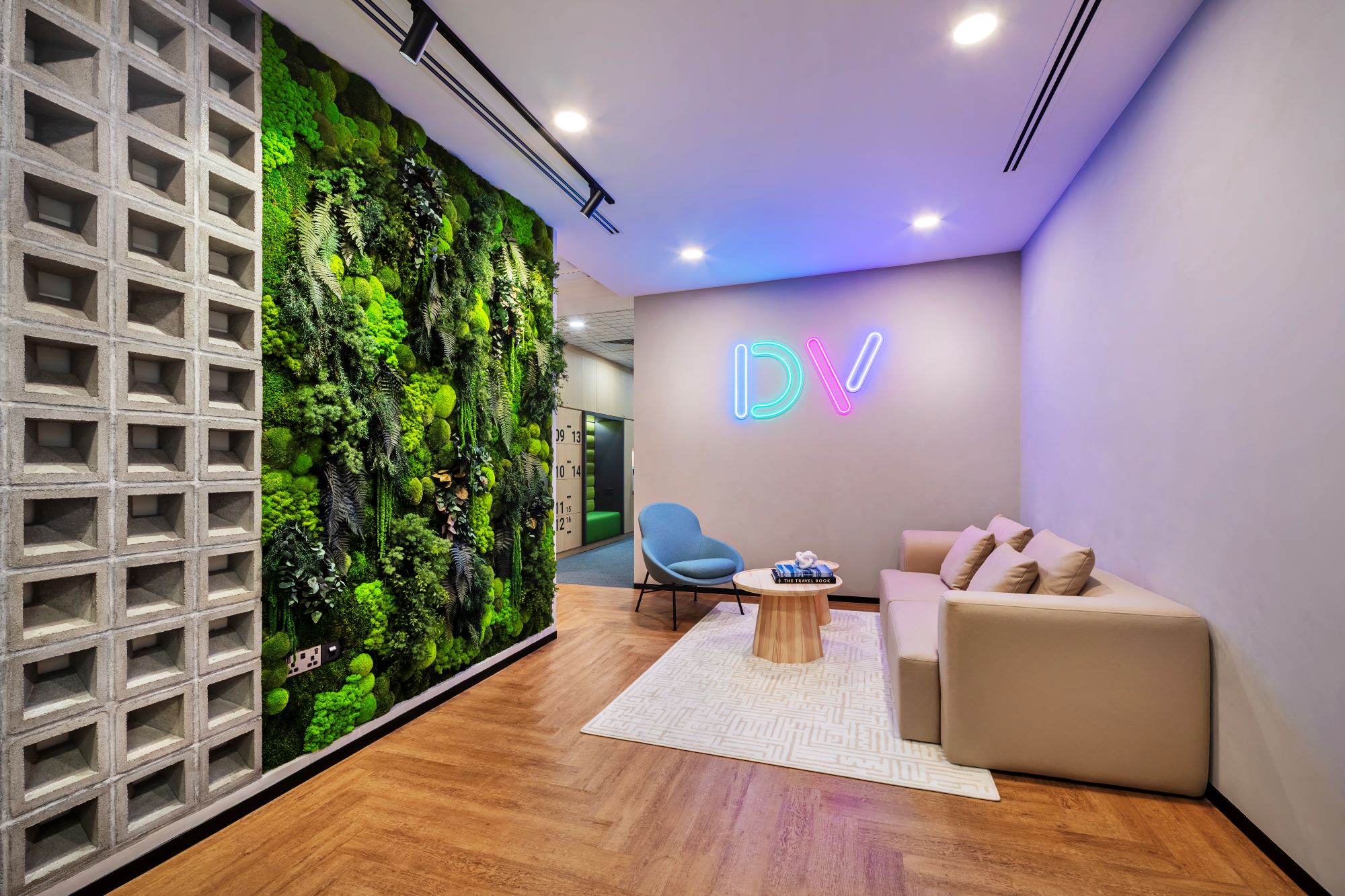
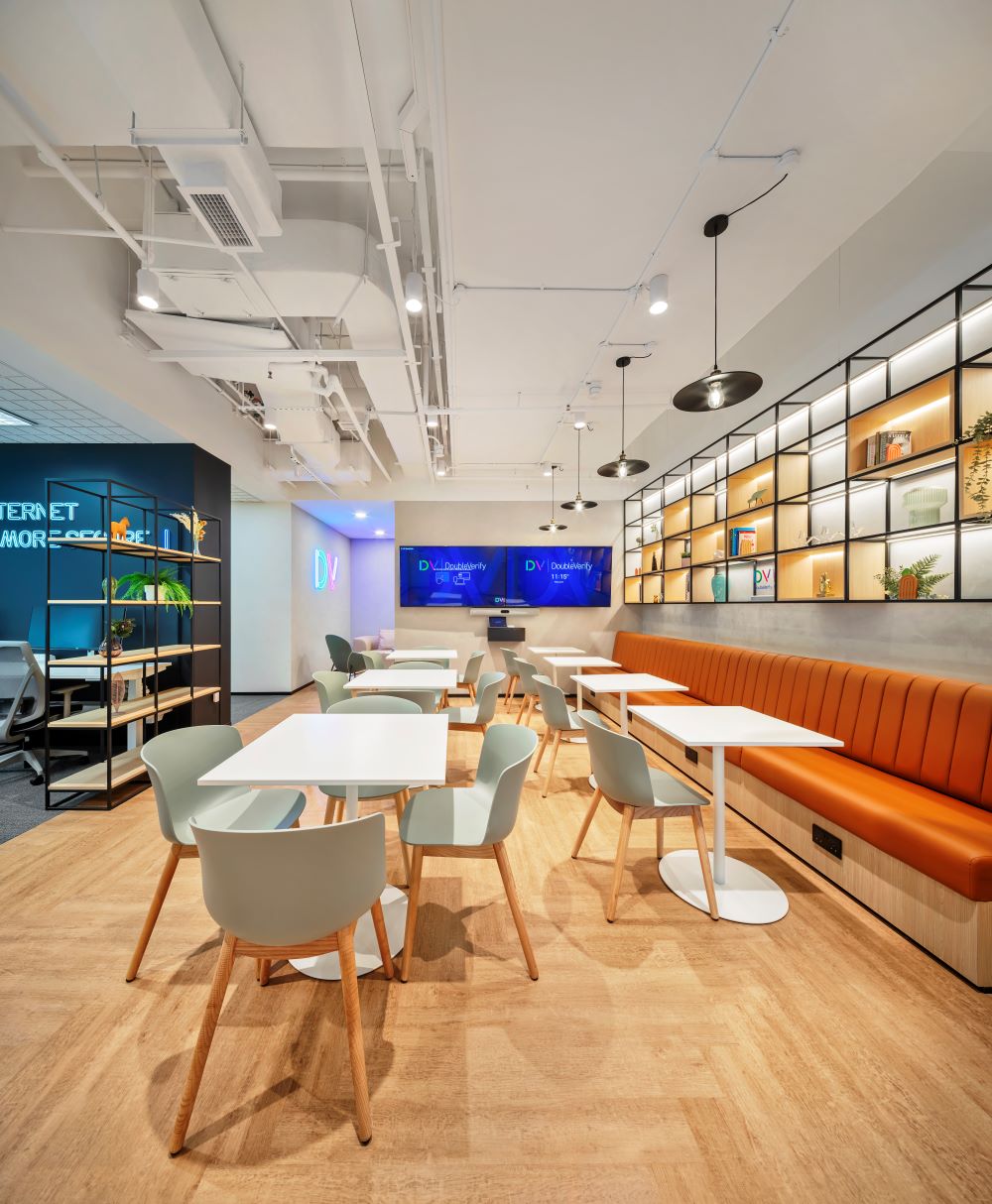
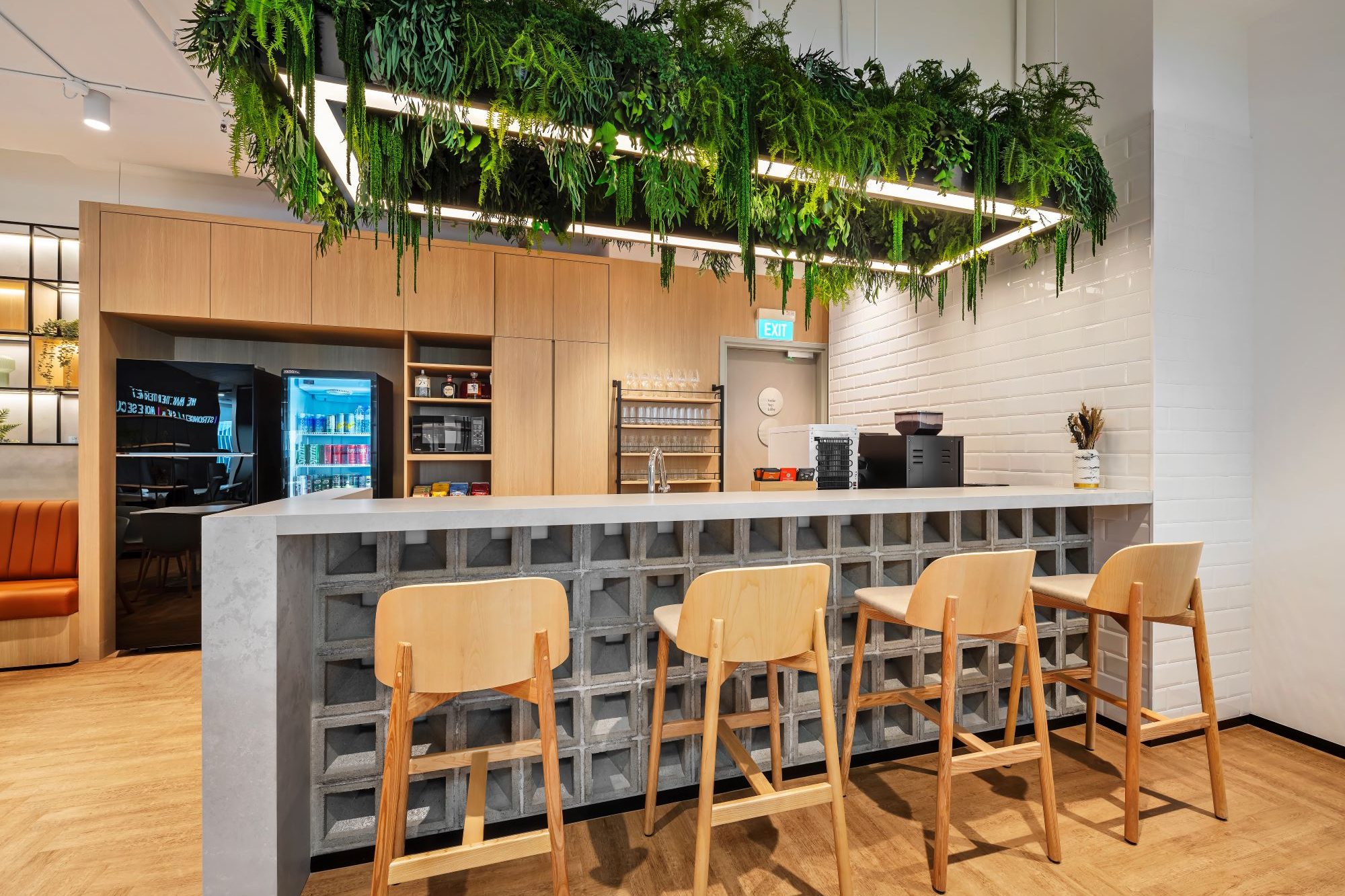
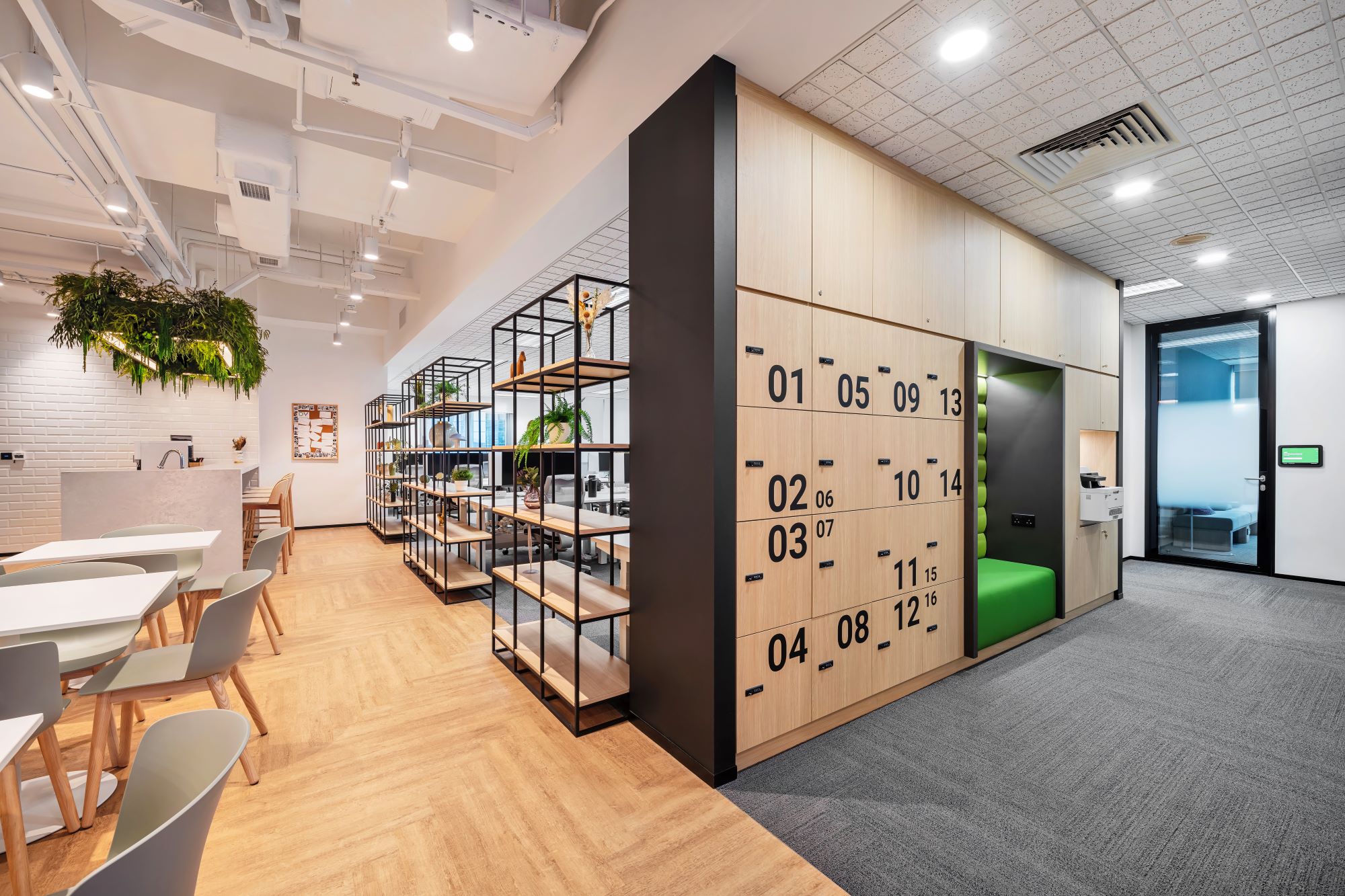
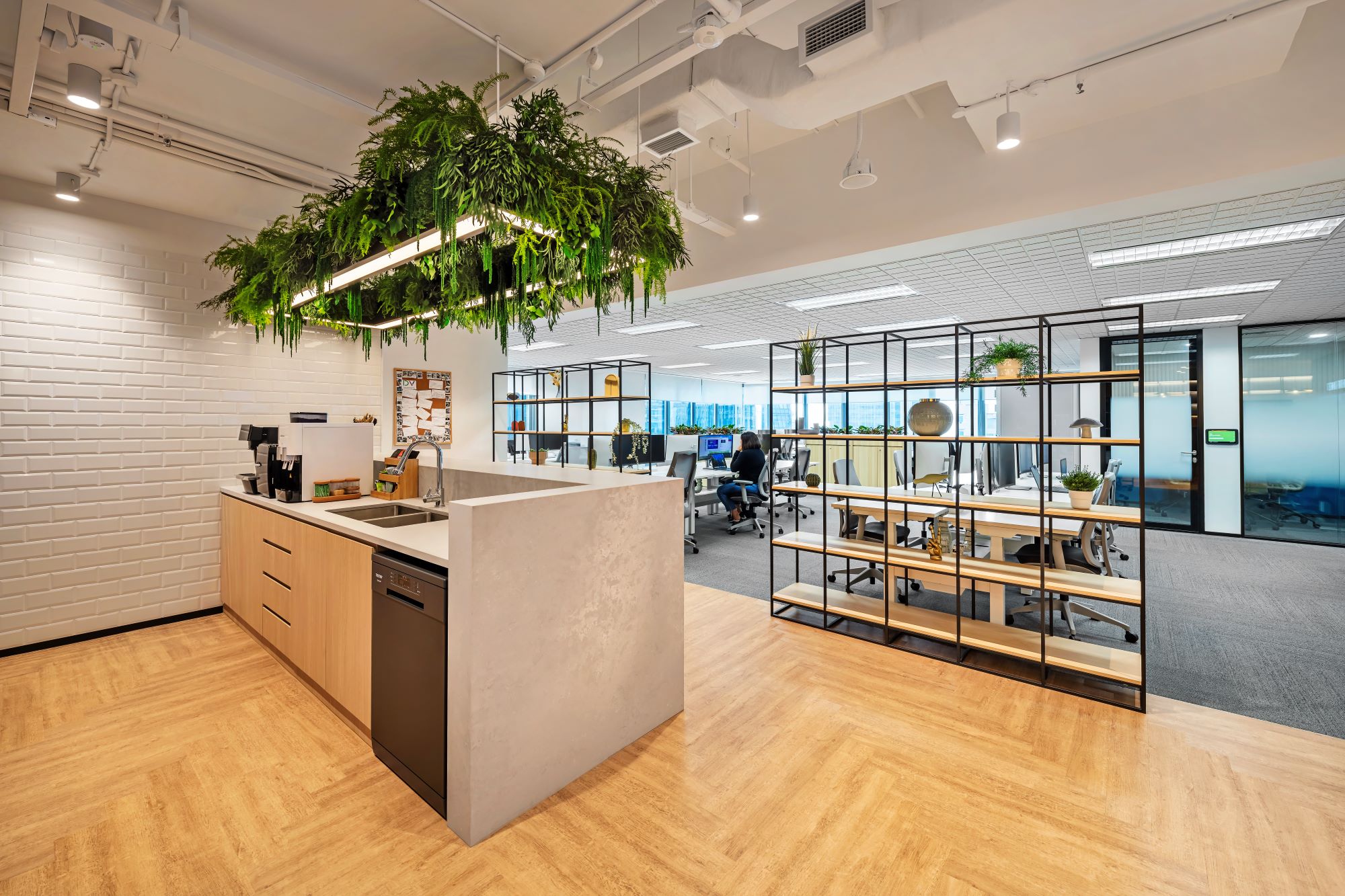
The project features a welcoming space highlighted by a vibrant green wall, creating a refreshing first impression for both employees and visitors. The design also cleverly integrates the pantry with a town hall area, forming a dynamic social hub that encourages informal interactions as well as organized gatherings.

This thoughtfully designed environment not only supports DoubleVerify’s expansion but also enhances employee well-being and fosters collaboration, aligning perfectly with the company’s evolving needs.

Get In Touch
  • Location: Singapore

  • Type of Project: Design Build

  • Sector: Technology

I had the pleasure of working with Facilitate for our recent office fit-out in Singapore, and I couldn't be more impressed.

They provided full transparency with the budget and proposals, and helped value engineer costs.

They value their customers long term and their customer service and professional demonstrate that. Our employees are extremely happy with their new office, which is the ultimate show of success.

Dawn Cohen
Senior Manager, Real Estate Projects

Singapore Office Design and Build: Supporting Rapid Tech Company Growth at Prudential Tower

The successful completion of DoubleVerify’s new Singapore office at Prudential Tower demonstrates our comprehensive design and build expertise in creating growth-oriented workspaces within Singapore’s premium commercial real estate market. This project showcases our ability to deliver complete office solutions—from initial design conceptualization through construction completion—that support rapidly expanding technology companies while navigating Singapore’s stringent regulatory environment and competitive construction market.

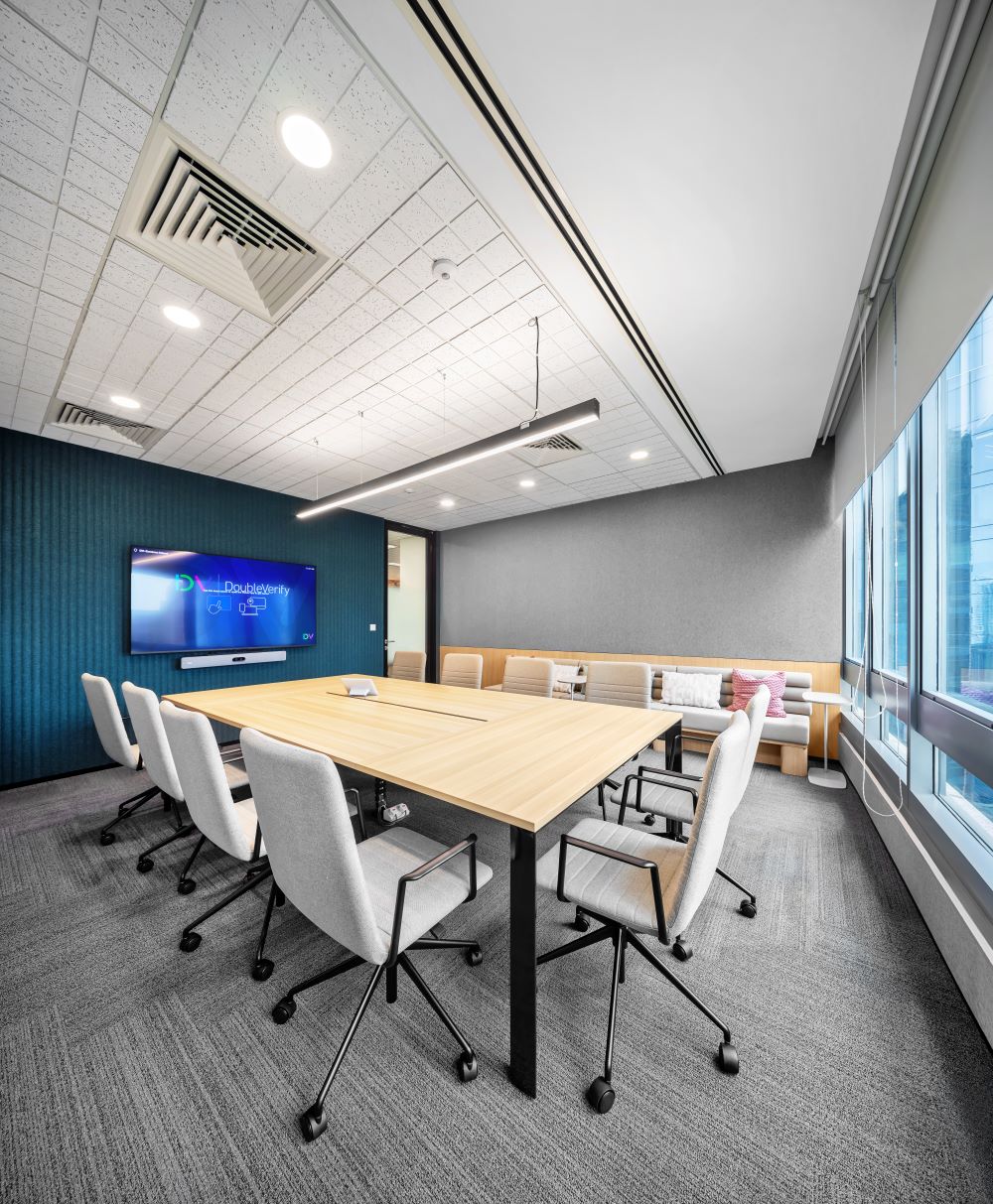
Located in Prudential Tower, one of Singapore’s prime CBD office addresses, this project required specialized understanding of Singapore Building and Construction Authority (BCA) regulations, coordination with building management for high-rise construction logistics, and integration with the building’s existing mechanical and electrical systems. The design and build approach encompassed comprehensive space planning for operational efficiency, specification of premium finishes reflecting DoubleVerify’s market positioning, installation of enterprise-grade technology infrastructure, and creation of distinctive design elements including a striking green wall feature that establishes immediate visual impact.

The success of this Singapore office project illustrates the critical importance of understanding local construction practices, regulatory compliance requirements specific to Singapore’s commercial sector, and the workplace expectations of technology professionals in one of Asia’s most competitive talent markets. From initial design development through final handover, every phase required expert coordination between Singapore-based contractors, international suppliers, and regulatory authorities including BCA and Fire Safety and Shelter Department (FSSD) to ensure full compliance while meeting aggressive delivery schedules.

Design and Build Project Management in Singapore’s CBD

As the appointed design and build contractor, our project management approach integrated architectural design services with construction execution, providing DoubleVerify with single-point accountability and streamlined decision-making throughout the project lifecycle. This integrated delivery method proved particularly valuable in Singapore’s fast-paced commercial market, where rapid workspace delivery supports business expansion and market entry strategies for growing technology companies.

Project coordination addressed Singapore’s complex regulatory environment including TOP (Temporary Occupation Permit) requirements, coordination with Prudential Tower management for construction access and timing, compliance with Singapore’s workplace safety regulations under the Workplace Safety and Health Act, and integration with building systems requiring approval from qualified persons (QPs) under BCA regulations. The design and build approach enabled accelerated delivery through parallel design and procurement activities, reducing overall project timelines by 20-30% compared to traditional design-bid-build methods.

Quality control measures included comprehensive coordination with Singapore’s regulatory bodies, detailed documentation for building management approvals, specification of materials meeting Singapore’s tropical climate durability requirements, and implementation of rigorous testing protocols for all mechanical and electrical systems. The delivery approach demonstrated how integrated design and build services create value through reduced coordination risks, faster time-to-occupancy, and seamless translation of design intent into built reality.

Biophilic Design Excellence: The Green Wall Feature

The vibrant green wall serves as the project’s signature design element, creating an immediate impression of environmental consciousness and visual sophistication that aligns with DoubleVerify’s brand values and Singapore’s emphasis on sustainable urban design. This living wall installation required specialized expertise in tropical plant selection suitable for Singapore’s climate and indoor growing conditions, irrigation system design with water recycling capabilities, LED grow lighting for optimal plant health in interior environments, and ongoing maintenance protocols ensuring long-term vibrancy and health of the living installation.

The green wall delivers multiple benefits beyond aesthetic impact, including improved indoor air quality through natural filtration of airborne pollutants, biophilic design elements that reduce stress and improve employee wellbeing (studies show 15% improvement in productivity in biophilic environments), acoustic absorption reducing ambient noise in the reception area, and alignment with Singapore’s Green Mark certification criteria for sustainable building operations. This feature demonstrates how thoughtful design investments create lasting value through environmental, psychological, and operational benefits that support both employee experience and corporate sustainability objectives.

Integrated Social Hub: Pantry and Town Hall Design

The clever integration of pantry and town hall areas represents innovative space planning that maximizes functionality within Singapore’s premium office real estate market, where per-square-foot costs rank among the highest in Asia-Pacific. This multifunctional design approach creates a dynamic social hub serving multiple purposes throughout the workday—from informal collaboration and team lunches to all-hands meetings and company-wide presentations—demonstrating how strategic space planning optimizes real estate investment while supporting diverse organizational needs.

Flexible Space Design for Multiple Use Cases

The pantry-town hall integration incorporates flexible furniture systems that transform the space from casual dining area to presentation venue, advanced audiovisual infrastructure supporting video conferencing and company presentations, acoustic design enabling comfortable conversation during informal use while ensuring speech intelligibility during presentations, and premium finishes creating an elevated aesthetic appropriate for both daily employee use and client-facing events. This design versatility reflects contemporary understanding of how workspace efficiency and employee experience both drive value in competitive talent markets.

The social hub design addresses Singapore workplace culture, which increasingly values informal collaboration spaces where cross-functional teams can interact outside formal meeting structures. Research demonstrates that 60-70% of knowledge sharing in technology companies occurs through informal interactions rather than scheduled meetings, making social hub design a strategic investment in organizational effectiveness and innovation capacity. The space design encourages these spontaneous interactions while providing infrastructure for organized gatherings, creating environments that support both planned and emergent collaboration.

Supporting Growth and Employee Wellbeing

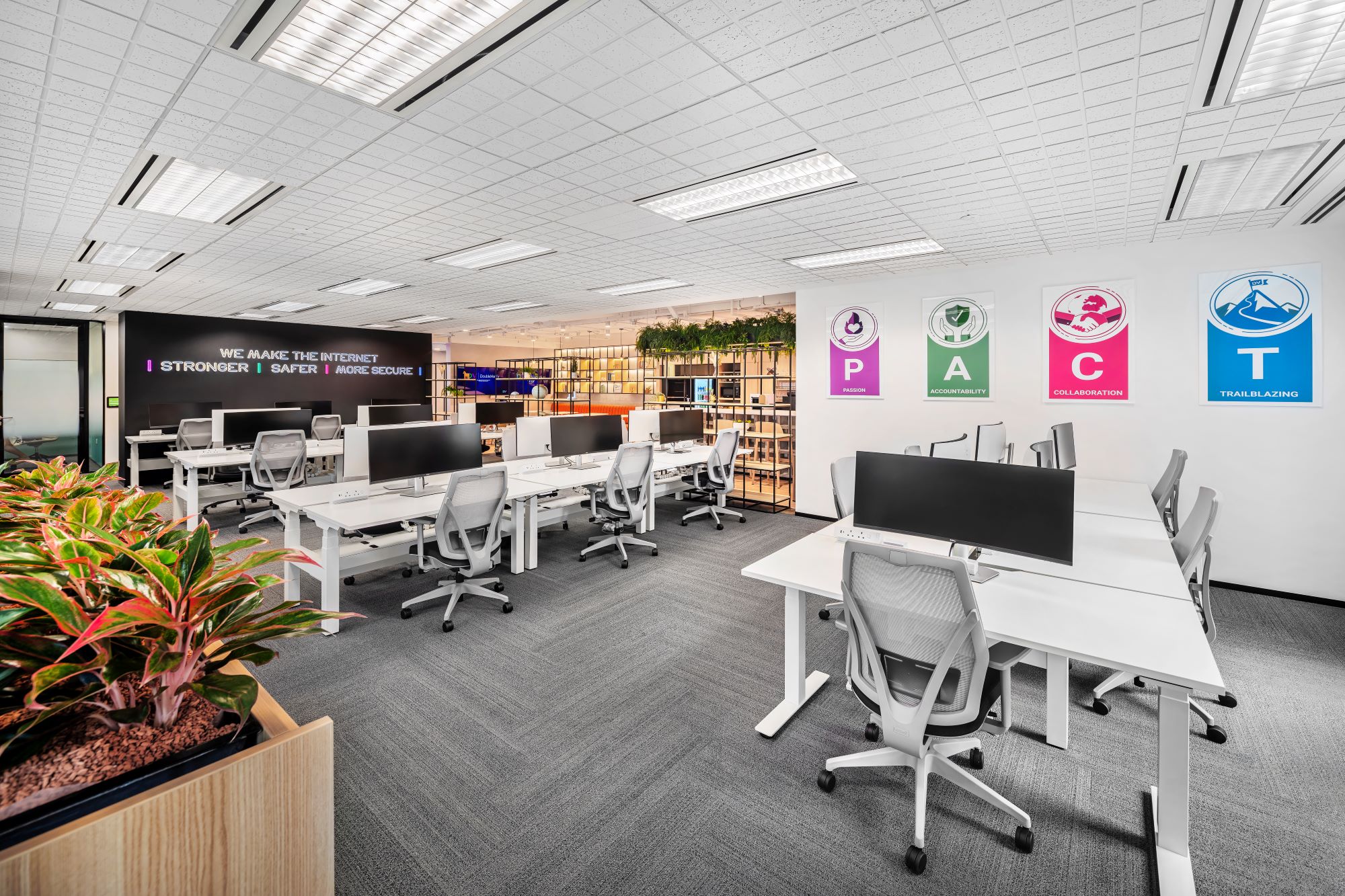
The office design directly addresses DoubleVerify’s rapid growth trajectory by incorporating scalable infrastructure, flexible workspace configurations that adapt to changing headcount and team structures, technology systems with expansion capacity, and space planning that accommodates phased growth without requiring disruptive renovations. This growth-oriented design approach proves particularly valuable in Singapore’s technology sector, where companies frequently experience 30-50% annual headcount growth requiring workspace flexibility.

Employee wellbeing considerations extend throughout the design, including biophilic elements that connect occupants with nature despite Singapore’s dense urban environment, diverse work settings supporting different tasks and work preferences, social spaces encouraging team building and community development, ergonomic furniture meeting international workplace standards, and environmental controls providing individual comfort in Singapore’s tropical climate. These wellbeing investments demonstrate understanding that in Singapore’s competitive talent market—where technology unemployment rates consistently remain below 2%—workplace quality significantly influences recruitment success and employee retention.

Singapore Market Expertise and Regulatory Navigation

Successful project delivery in Singapore required comprehensive understanding of local market dynamics including coordination with Singapore’s network of specialized contractors and suppliers, specification of materials suitable for tropical climate conditions (high humidity, intense UV exposure, temperature extremes), compliance with Singapore’s stringent fire safety requirements under FSSD regulations, and integration with Prudential Tower’s specific building systems and management requirements. Our Singapore market expertise enabled seamless navigation of these complexities while maintaining international quality standards expected by global technology companies.

The regulatory environment demanded particular attention to workplace safety documentation under Singapore’s WSH Act, coordination with BCA-registered specialists for mechanical and electrical systems, compliance with energy efficiency requirements supporting building’s Green Mark status, and proper documentation for obtaining Temporary Occupation Permit upon completion. This regulatory expertise proved essential for avoiding delays and ensuring the completed office met all statutory requirements for legal occupancy and ongoing operations.

The strategic value of this design and build project extends beyond immediate workspace delivery to demonstrate how comprehensive project management services support technology companies expanding into Singapore market. The completed office provides DoubleVerify with a professional, efficient workspace that supports business growth, attracts and retains top talent in Singapore’s competitive employment market, and establishes strong foundation for the company’s continued expansion throughout Asia-Pacific region. This project showcases how expert real estate project management serves as strategic enabler for technology companies establishing or expanding operations in Singapore’s dynamic, regulation-intensive commercial environment.

FAQs

What are the advantages of design and build delivery for Singapore office projects?

Design and build delivery in Singapore provides single-point responsibility eliminating coordination gaps between designers and contractors, faster project delivery through parallel design and procurement (20-30% timeline reduction), early cost certainty with comprehensive pricing, reduced change orders through integrated team approach, streamlined decision-making with one contractual relationship, and superior constructability as builders influence design development. For Singapore CBD projects at premium buildings like Prudential Tower, design and build proves particularly valuable for navigating complex building management coordination, BCA regulatory approvals, and integration with existing building systems. Technology companies benefit from accelerated occupancy supporting business growth timelines, with typical design and build projects completing in 3-4 months versus 5-6 months for traditional delivery methods.

What are the key regulatory requirements for commercial office fitouts in Singapore?

Singapore office fitouts require comprehensive regulatory compliance including BCA architectural and engineering plan approvals, FSSD fire safety plan endorsement and inspection, coordination with qualified persons (QPs) for structural and M&E works, workplace safety and health documentation under WSH Act, building management approvals for construction access and building system modifications, temporary occupation permit (TOP) or certificate of statutory completion (CSC) upon completion, and ongoing compliance with Green Mark requirements for certified buildings. Projects must engage BCA-registered contractors for specialist works, implement comprehensive safety management systems, conduct regular safety inspections, and maintain detailed records for regulatory submissions. Regulatory compliance typically adds 6-8 weeks to project timelines and requires 8-12% of project budget for compliance-related costs, specialist certifications, and documentation.

How do green walls perform in Singapore's tropical climate?

Green walls thrive in Singapore’s tropical climate with proper system design, including plant species selection suited to high humidity (75-85% year-round) and consistent temperatures (24-32°C), automated irrigation systems with humidity sensors preventing overwatering, LED grow lighting compensating for limited natural light in interior installations, drainage systems managing Singapore’s heavy rainfall periods, and regular maintenance schedules (bi-weekly minimum) for pruning, fertilization, and plant health monitoring. Successful installations use tropical species like pothos, philodendrons, ferns, and spider plants adapted to Singapore conditions. Initial installation costs range SGD 800-1,200 per square meter with monthly maintenance costs of SGD 15-25 per square meter. Benefits include 10-15% improvement in indoor air quality, 3-5 decibel noise reduction, thermal insulation reducing cooling costs by 5-8%, and contribution to Green Mark certification points for sustainable building features.

What factors drive office rental costs at Prudential Tower and similar CBD locations?

Prudential Tower and comparable Grade A Singapore CBD offices command premium rental rates (SGD 10-14 per square foot monthly as of 2025) driven by prime Orchard Road location with excellent public transport connectivity, prestigious address enhancing corporate image, modern building systems with high-efficiency HVAC and reliable power, Green Mark certification meeting multinational tenant sustainability requirements, professional building management with 24/7 security, and limited supply of premium office space in Singapore’s central business district. Additional occupancy costs include management fees (SGD 0.50-0.80/sqft/month), air conditioning charges (SGD 0.25-0.35/sqft/month), and government property tax. Technology companies often prioritize Grade A space despite 30-40% cost premiums over suburban locations because prime addresses support talent attraction—65% of tech professionals prefer CBD locations—and client perception in competitive markets.

How can office design support rapid company growth in Singapore?

Growth-oriented office design incorporates modular furniture systems easily reconfigured for changing team structures, scalable technology infrastructure with 30-40% excess capacity for expansion, flexible space planning with open areas adaptable to various uses, meeting rooms with folding partitions for capacity adjustment, hot-desking or activity-based working reducing per-person space requirements from 100-120 sqft to 70-80 sqft, cloud-based systems minimizing on-premise IT footprint, and phased buildout strategies allowing staged occupancy as headcount increases. Singapore technology companies typically experience 30-50% annual growth, making flexibility critical for avoiding costly relocations (average relocation costs equal 15-20% of annual rent). Smart growth planning includes negotiating expansion rights in lease agreements, designing for 20-30% headcount capacity beyond immediate needs, and incorporating convertible spaces transitioning from storage or meeting rooms to workstations as required.

What role do social spaces play in Singapore technology company offices?

Social spaces serve critical functions in Singapore’s technology sector including informal collaboration zones where 60-70% of knowledge sharing occurs, community building spaces supporting company culture in multicultural workforce (Singapore teams often include 10+ nationalities), amenity areas demonstrating employer investment in employee experience, flexible venues for all-hands meetings and company events, break areas reducing employee stress in high-pressure environments, and talent attraction features—78% of Singapore tech workers rate quality social spaces as important employment factor. Optimal social space design allocates 15-20% of total office area, incorporates food and beverage amenities (Singapore’s food culture makes quality pantries essential), provides diverse seating from collaborative tables to quiet corners, includes audiovisual infrastructure for presentations, and features design elements creating Instagram-worthy moments supporting employer branding. Investment typically represents 18-22% of total fitout budget but delivers ROI through improved employee satisfaction (25-35% increase) and reduced voluntary turnover (15-20% reduction).

How long does a typical office fitout project take in Singapore CBD buildings?

Singapore CBD office fitouts typically require 3-5 months from design completion to occupancy, varying by project size and complexity. Timeline components include regulatory approvals (BCA and FSSD submissions: 3-4 weeks), building management coordination and approval (2-3 weeks), construction and fitout execution (8-12 weeks for typical projects), M&E system installation and testing (3-4 weeks), furniture installation (1-2 weeks), and final inspections for TOP (1-2 weeks). Premium buildings like Prudential Tower impose specific construction hours (typically 8am-6pm weekdays, limited weekend work) and noise restrictions extending timelines 10-15% versus buildings with relaxed construction policies. Design and build delivery can compress timelines through parallel activities, while fast-track projects using prefabrication and extended work hours can achieve 6-8 week delivery for smaller spaces (3,000-5,000 sqft). Realistic scheduling accounting for Singapore’s regulatory environment and building management requirements prevents delays and cost overruns.

What workplace design trends are most important in Singapore's technology sector?

Singapore technology sector workplace trends include biophilic design integrating nature (green walls, living plants, natural materials) addressing urban density, flexible activity-based working with diverse work settings, wellness-focused design with ergonomic furniture and mental health spaces, sustainability features supporting Green Mark certification and ESG objectives, technology integration including IoT sensors and smart building systems, inclusive design accommodating diverse workforce (prayer rooms, mother’s rooms, gender-neutral facilities), and branded environments reflecting company culture and values. Singapore-specific considerations include tropical climate adaptation with robust air conditioning and dehumidification, food and beverage amenities reflecting Singapore’s dining culture, multicultural design appealing to international workforce, and space efficiency maximizing value from expensive CBD real estate (average SGD 12/sqft/month). Leading technology companies invest SGD 250-350 per square foot in fitout costs—30-40% above traditional office standards—recognizing workplace quality as strategic differentiator in Singapore’s competitive talent market where technology unemployment remains below 2% and employees maintain high expectations for workplace experience.
Other projects.