

LEED vs WELL Certification: Which Green Standard Fits Your US Office?.
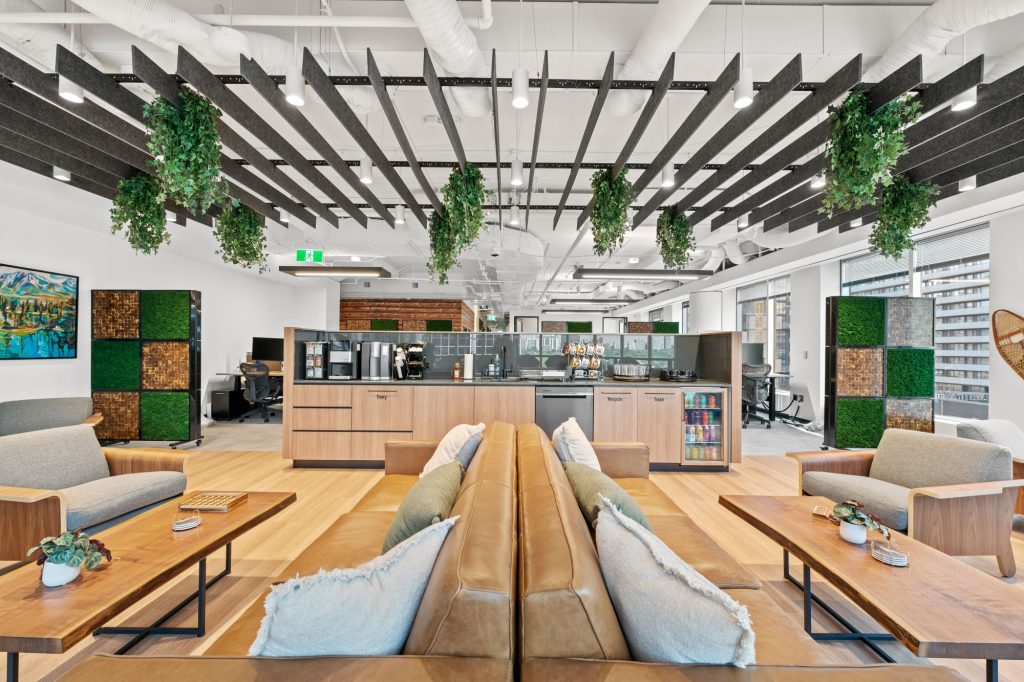
Facilitate TTD kitchen

As sustainability and employee wellbeing move from peripheral concerns to core business imperatives, US organizations face critical decisions about green building certifications for their office environments. Two standards dominate the landscape: LEED (Leadership in Energy and Environmental Design) and WELL Building Standard. While both certifications demonstrate commitment to environmental and human health, they employ fundamentally different approaches, require distinct investments, and deliver varying returns.

For C-suite executives evaluating green office certification options, understanding the practical differences between LEED and WELL certifications proves essential. This comprehensive analysis examines both standards through the lens of business value, comparing implementation costs, operational benefits, employee impact, and measurable ROI. Organizations investing in green office certification deserve clear guidance on which standard aligns with their strategic objectives, budget parameters, and organizational culture.

The choice between LEED certification and WELL building standard extends beyond environmental philosophy to encompass tangible business outcomes including energy cost savings, employee productivity gains, talent attraction and retention, corporate reputation enhancement, and asset value appreciation. This guide provides the analytical framework necessary for informed decision-making.

Table of Contents

Understanding LEED Certification for US Offices

LEED Framework and Certification Levels

LEED certification, administered by the US Green Building Council (USGBC), represents the most widely recognized green building standard globally. The LEED rating system evaluates buildings across nine key categories: integrative process, location and transportation, sustainable sites, water efficiency, energy and atmosphere, materials and resources, indoor environmental quality, innovation, and regional priority. Projects earn points in each category, with total scores determining certification level: Certified (40-49 points), Silver (50-59 points), Gold (60-79 points), or Platinum (80+ points).

For commercial office buildings, LEED v4.1 Building Design and Construction (BD+C) provides the primary certification pathway for new construction and major renovations, while LEED v4.1 Operations and Maintenance (O+M) addresses existing building performance. The flexible point system allows organizations to prioritize strategies aligned with their specific contexts, budgets, and objectives rather than requiring universal compliance with all criteria.

LEED certification emphasizes measurable environmental performance, particularly energy and water consumption reduction. The standard requires sophisticated measurement and verification protocols, ensuring certified buildings demonstrate actual performance rather than merely theoretical efficiency. This evidence-based approach resonates with organizations prioritizing quantifiable sustainability outcomes and transparent reporting to stakeholders.

Cost Structure and Financial Investment

LEED certification costs for US office projects vary significantly based on building size, target certification level, and baseline building performance. Typical cost components include USGBC registration fees ($1,200-$1,500), certification review fees (ranging from $2,500 for projects under 50,000 square feet to $27,500+ for buildings exceeding 500,000 square feet), consultant fees for LEED accredited professionals ($15,000-$75,000 depending on project complexity), documentation and submission preparation ($10,000-$40,000), and additional construction costs for enhanced performance features.

Industry data suggests LEED certification adds 2-8% to total project costs for new construction, with higher percentages typical for renovations of older buildings requiring more extensive upgrades. For a 100,000 square foot office renovation with a baseline budget of $15 million, LEED Gold certification might require an additional $450,000-$900,000 investment. However, organizations often find that many LEED strategies represent sound investments independent of certification, with the formal recognition providing additional marketing and operational value.

Operating cost savings from LEED certified buildings typically offset certification premiums within 3-7 years. Energy consumption reductions of 25-40% translate to substantial annual savings in major US markets where electricity costs range from $0.10-$0.25 per kWh. Water efficiency measures reduce consumption by 30-50%, generating additional savings particularly in drought-prone regions like California and the Southwest.

Market Recognition and Business Benefits

LEED certification enjoys unparalleled market recognition in the United States, with over 100,000 certified commercial projects and more than 200,000 professionals holding LEED credentials. This widespread adoption creates tangible business benefits including enhanced corporate reputation with environmentally conscious stakeholders, competitive advantage in securing tenants (LEED certified buildings command 5-8% rental premiums in major markets), improved employee recruitment outcomes (73% of millennials consider workplace sustainability in employment decisions), and favorable financing terms from lenders prioritizing sustainable assets.

Public sector organizations often mandate or incentivize LEED certification for government facilities and publicly funded projects. Many municipalities offer expedited permitting, density bonuses, tax abatements, or utility rebates for LEED certified developments. These incentives can substantially improve project economics, particularly in sustainability-forward markets like San Francisco, New York City, Seattle, and Portland.

The certification’s emphasis on measurable performance enables organizations to quantify and communicate sustainability achievements. Annual energy and water consumption data, waste diversion rates, and other metrics provide concrete evidence supporting ESG reporting requirements, corporate sustainability commitments, and stakeholder communications.

Understanding WELL Building Standard for US Offices

WELL Framework and Certification Approach

The WELL Building Standard, administered by the International WELL Building Institute (IWBI), takes a fundamentally different approach by prioritizing human health and wellness outcomes. WELL certification evaluates buildings across ten concepts: air, water, nourishment, light, movement, thermal comfort, sound, materials, mind, and community. Rather than focusing primarily on environmental impact reduction, WELL emphasizes creating environments that actively promote occupant health, comfort, and wellbeing.

WELL certification requires meeting all preconditions (mandatory requirements) within applicable concepts while earning sufficient optimization points to achieve the desired certification level: Bronze (meeting all preconditions), Silver (preconditions plus 50% of available points), Gold (preconditions plus 60% of points), or Platinum (preconditions plus 80% of points). The standard employs rigorous performance verification, including onsite testing of air quality, water quality, light levels, and acoustic conditions to ensure compliance with health-based thresholds.

The WELL framework explicitly connects building features to health outcomes supported by medical and scientific research. For example, circadian lighting requirements stem from research demonstrating impacts of light exposure on sleep quality and metabolic function. Air quality thresholds reflect evidence linking indoor pollutant levels to respiratory health and cognitive performance. This evidence-based methodology appeals to organizations prioritizing employee wellbeing and seeking to demonstrate tangible health impacts.

Investment Requirements and Implementation Costs

WELL certification typically requires higher upfront investment than LEED certification due to stringent performance requirements and extensive testing protocols. Cost components include IWBI registration fees ($2,000-$2,500), performance verification fees ($0.16-$0.36 per square foot depending on building size), consultant fees for WELL Accredited Professionals ($20,000-$100,000 for comprehensive projects), enhanced HVAC systems meeting stringent air quality requirements, circadian lighting systems with tunable color temperature, water filtration systems ensuring potable water quality, and acoustic treatments achieving sound level targets.

For a 100,000 square foot office project, WELL certification typically adds 5-12% to baseline construction or renovation budgets. Using the same $15 million baseline mentioned in the LEED example, WELL Gold certification might require $750,000-$1,800,000 in additional investment. The higher cost reflects WELL’s emphasis on advanced building systems, premium materials with low chemical emissions, and comprehensive testing requirements.

However, WELL’s focus on occupant health and productivity generates value through different mechanisms than LEED certification. Organizations report measurable improvements in employee satisfaction (15-25% increases in workplace satisfaction scores), reduced absenteeism (2-3% decreases in sick days), enhanced cognitive function (6-10% improvements in cognitive performance tests), and improved employee retention (8-12% reduction in voluntary turnover). When quantified using typical employee compensation levels, these productivity and retention benefits often exceed the premium investment within 12-24 months.

Differentiation and Market Position

WELL Building Standard occupies a distinct market position as the premier certification for workplace wellness and human-centric design. While LEED certification earns respect for environmental stewardship, WELL certification signals sophisticated understanding of the connections between physical environment and human performance. This differentiation resonates particularly with organizations in knowledge work sectors where human capital represents the primary asset and competitive differentiator.

Major corporations including Goldman Sachs, Microsoft, Salesforce, and McKinsey & Company have pursued WELL certification for flagship facilities, establishing the standard as an elite designation associated with progressive workplace strategy. The certification’s relative scarcity (approximately 4,500 certified projects globally compared to LEED’s 100,000+) creates differentiation value for early adopters seeking to distinguish their workplace offerings.

WELL certification particularly appeals to organizations competing for top talent in tight labor markets. The ability to demonstrate measurable health and wellness commitments through third-party verification provides credible differentiation in recruitment materials, employee value propositions, and employer brand positioning.

Comparative Analysis: LEED vs WELL Certification

Primary Focus and Objectives

The fundamental distinction between LEED and WELL certifications lies in their primary focus. LEED certification prioritizes environmental performance and resource efficiency, measuring success through reduced energy consumption, water conservation, waste diversion, and sustainable material selection. The standard emphasizes the building’s impact on the external environment, seeking to minimize ecological footprint and demonstrate environmental stewardship.

WELL Building Standard prioritizes human health and wellbeing, measuring success through improved indoor air quality, enhanced lighting conditions, acoustic comfort, access to healthy food options, and promotion of physical activity. The standard emphasizes the building’s impact on occupants, seeking to maximize health outcomes and create environments that actively support human flourishing.

This distinction shapes every aspect of the certifications from design priorities and system specifications to measurement protocols and ongoing operations. Organizations must clarify whether environmental sustainability or occupant wellness represents the higher priority to determine which certification aligns better with strategic objectives.

Implementation Complexity and Timeline

LEED certification typically follows more straightforward implementation pathways, particularly for organizations with prior green building experience. The point-based system offers flexibility in strategy selection, allowing teams to focus on most cost-effective or technically feasible measures. Documentation requirements, while comprehensive, follow established patterns familiar to design and construction professionals. Typical LEED certification timelines span 12-18 months from project initiation to final certification award.

WELL certification presents more complex implementation challenges due to stringent performance thresholds and extensive testing requirements. Meeting preconditions across all applicable concepts requires coordinated effort across architectural, mechanical, electrical, and interior design disciplines. Performance verification through onsite testing adds schedule contingency and potential for remediation if initial results fail to meet thresholds. WELL certification timelines typically extend 18-24 months, with potential for delays if testing identifies performance gaps requiring corrective action.

Organizations pursuing certification for the first time should anticipate steeper learning curves with WELL due to less widespread market familiarity and more specialized expertise requirements. However, the IWBI provides extensive documentation, case studies, and technical guidance to support implementation teams.

Ongoing Operational Requirements

Both certifications require ongoing commitment to maintain certified status, though with different emphases. LEED O+M certification involves annual performance measurement, regular building system maintenance, sustainable purchasing policies, and waste management programs. Recertification occurs every 5 years, requiring updated documentation and performance verification. These operational requirements align well with standard facility management practices, particularly for organizations already tracking energy and water consumption through building management systems.

WELL certification requires more intensive ongoing operations due to health-focused performance standards. Annual air and water quality testing ensures continuous compliance with thresholds. Cleaning and pest management protocols must use approved low-toxicity products. Healthy food options in cafeterias and vending machines require sustained attention. Fitness programs and wellness initiatives must remain active and accessible. WELL recertification occurs every 3 years with comprehensive performance verification.

The operational intensity of WELL certification demands stronger coordination between facilities, human resources, and occupant wellness programs. Organizations lacking dedicated workplace wellness resources may find ongoing WELL compliance challenging, while those with established wellness initiatives can leverage existing programs toward certification maintenance.

Cost-Benefit Analysis and ROI Comparison

LEED certification generates ROI primarily through operational cost savings and asset value enhancement. Typical benefits include energy cost reductions of 25-40% (generating $30,000-$75,000 annual savings for a 100,000 square foot office in major US markets), water cost reductions of 30-50% (saving $5,000-$15,000 annually), reduced waste disposal costs through diversion programs ($3,000-$8,000 annually), and rental or sale price premiums of 5-8% for certified buildings. Using conservative estimates, these benefits produce annual value of $40,000-$100,000, yielding payback periods of 5-10 years on certification premiums.

WELL certification generates ROI primarily through productivity enhancement and talent management. Key benefits include productivity improvements of 3-6% (worth $300,000-$600,000 annually for 100 employees averaging $100,000 total compensation), reduced absenteeism saving $20,000-$40,000 annually, reduced turnover saving $100,000-$200,000 annually (assuming 10% reduction in turnover for 100 employees with $100,000 average replacement costs), and enhanced recruitment outcomes valued at $50,000-$100,000 annually. These benefits total $470,000-$940,000 annually, producing payback periods of 1-4 years even with WELL’s higher certification premiums.

The substantially different benefit profiles suggest LEED certification makes more sense for organizations prioritizing operational efficiency and environmental impact, while WELL certification delivers superior value for organizations where human capital productivity and retention drive business success.

Strategic Decision Framework: Choosing the Right Certification

Organizational Priorities Assessment

Organizations should begin certification selection by clarifying strategic priorities. Companies emphasizing environmental sustainability, carbon footprint reduction, and ESG performance in investor communications will find LEED certification better aligned with these objectives. The certification’s focus on measurable environmental metrics directly supports sustainability reporting requirements and corporate climate commitments.

Organizations prioritizing employee experience, workplace wellness, and talent management should favor WELL certification. Companies competing intensely for scarce talent, particularly in technology, professional services, and creative industries, gain competitive advantage through credible wellness commitments supported by third-party verification. The productivity and retention benefits from WELL certification often prove more valuable than LEED’s operational savings for knowledge work organizations.

Some organizations find that both certifications serve complementary purposes, with LEED addressing environmental stewardship and WELL addressing human health. This dual certification strategy demonstrates comprehensive sustainability commitment encompassing both environmental and social dimensions. However, pursuing both certifications substantially increases costs and implementation complexity.

Budget and Resource Considerations

Budget constraints significantly influence certification selection. Organizations with limited capital budgets may find LEED certification more accessible due to lower typical premiums and greater flexibility in strategy selection. The point-based system allows strategic focus on most cost-effective measures, achieving certification while managing costs.

Organizations with robust workplace strategy budgets and established wellness programs may find WELL certification’s premium investment justified by substantial productivity and retention returns. The certification’s focus on human capital optimization resonates with organizations viewing workplace as strategic investment rather than operational expense.

Resource availability also matters. LEED certification requires environmental expertise but integrates readily with standard design and construction processes. WELL certification demands broader coordination across facilities, human resources, workplace strategy, and wellness programming. Organizations lacking integrated workplace management may struggle with WELL’s operational intensity.

Market Context and Stakeholder Expectations

Geographic market context influences certification value. In sustainability-focused markets like California, Washington, and Northeast urban centers, both certifications earn strong recognition. However, LEED’s longer market presence and wider adoption make it the default green building standard for many stakeholders including investors, municipal governments, and corporate tenants.

WELL certification resonates particularly in competitive talent markets where workplace experience significantly influences recruitment outcomes. Technology hubs including San Francisco Bay Area, Seattle, Austin, and Boston show strong WELL adoption, reflecting fierce competition for technical talent and high employee expectations for workplace quality.

Organizations should consider stakeholder expectations when selecting certifications. Public companies facing investor pressure on ESG performance may prioritize LEED’s environmental focus. Private companies competing primarily on talent may emphasize WELL’s wellness focus. Organizations serving both audiences might pursue dual certification or select based on immediate strategic priority.

Implementation Roadmap: Achieving LEED Certification

Phase 1: Goal Setting and Team Assembly (Months 1-2)

Successful LEED certification begins with clear goal definition and team formation. Organizations should establish target certification level (Certified, Silver, Gold, or Platinum) based on budget, strategic objectives, and baseline building performance. Higher certification levels require more extensive interventions and investment but generate greater market recognition and operational benefits.

Project teams should include a LEED Accredited Professional (LEED AP) providing technical expertise and certification guidance, the design architect coordinating sustainability strategies across disciplines, mechanical and electrical engineers optimizing building systems, general contractor managing sustainable construction practices, and facility management staff who will maintain certified operations post-occupancy.

Early team formation enables integrated design processes where sustainability considerations inform all project decisions rather than being retrofitted into conventional designs. This integration typically reduces costs while improving performance outcomes.

Phase 2: Baseline Assessment and Strategy Development (Months 2-4)

Comprehensive baseline assessment establishes current building performance across LEED categories. For existing buildings, this includes energy modeling based on utility data, water consumption analysis, indoor environmental quality measurements, and material inventory assessment. For new construction, baseline assessment evaluates site conditions, local climate, and available sustainable building materials.

Strategy development identifies specific LEED credits the project will pursue, balancing point value, implementation cost, and strategic importance. Teams typically target 10-15% more points than required for desired certification level, providing margin for credits that prove unattainable during implementation. Cost-benefit analysis prioritizes strategies delivering operational savings or other business value independent of certification recognition.

The strategy development phase produces a LEED scorecard documenting targeted credits, responsible parties, implementation timelines, and budget allocations. This scorecard guides all subsequent design and construction activities.

Phase 3: Design and Documentation (Months 4-12)

Design development incorporates LEED strategies across all building systems. Energy modeling demonstrates projected energy savings from efficient HVAC systems, high-performance building envelope, and optimized lighting. Water use calculations document savings from low-flow plumbing fixtures and efficient irrigation systems. Material selections prioritize recycled content, regional sourcing, and low-emitting products.

Parallel documentation efforts compile evidence supporting credit achievement. This includes product data sheets documenting material attributes, energy model outputs demonstrating performance improvements, construction waste management plans, and indoor air quality management plans. Thorough documentation during design prevents delays during certification review.

Regular coordination meetings ensure all team members understand LEED requirements affecting their scope and maintain progress toward credit achievement. Many organizations find that monthly LEED review meetings prevent issues from accumulating and requiring expensive late-stage corrections.

Phase 4: Construction and Commissioning (Months 8-18)

Construction phase activities include implementing sustainable construction waste management (tracking diversion rates and documenting recycling), indoor air quality management during construction (protecting HVAC systems and using low-emitting materials), commissioning building systems to verify performance, and documenting construction activities supporting LEED credits.

Building commissioning proves particularly critical for LEED certification, ensuring mechanical, electrical, and plumbing systems operate as designed. Commissioning identifies and resolves performance issues before occupancy, preventing operational problems and ensuring energy savings materialize as projected.

Final construction documentation compiles all evidence supporting credit achievement including material certifications, commissioning reports, waste diversion calculations, and indoor air quality test results.

Phase 5: Submission and Certification (Months 18-24)

Final certification submission uploads all documentation to the USGBC LEED Online platform for review. Review teams evaluate submissions for compliance with credit requirements, often issuing clarification requests requiring additional documentation or technical responses. Organizations should anticipate 2-4 rounds of review feedback before achieving final certification.

Certification review typically requires 2-4 months from initial submission to final determination. Upon approval, buildings receive formal LEED certification at the achieved level along with a rating certificate, plaque for display, and inclusion in USGBC project directory.

Post-certification activities include celebrating achievement with stakeholders, incorporating certification into marketing materials, and establishing operational protocols maintaining LEED performance for potential future O+M certification.

Implementation Roadmap: Achieving WELL Certification

Phase 1: Commitment and Discovery (Months 1-3)

WELL certification begins with organizational commitment and comprehensive discovery. Leadership must understand WELL’s health-focused approach, implementation requirements, and expected investment. Strong executive sponsorship proves essential given WELL’s operational intensity and cross-functional coordination requirements.

Discovery activities include baseline health and wellness program assessment, building performance evaluation across WELL concepts, gap analysis identifying compliance challenges, and stakeholder engagement gathering employee input on wellness priorities. Organizations should engage a WELL Accredited Professional (WELL AP) during discovery to assess feasibility and develop implementation strategies.

This phase establishes governance structures coordinating facilities, human resources, workplace strategy, and wellness programming. WELL certification succeeds only when these functions collaborate effectively throughout implementation and ongoing operations.

Phase 2: Design and Documentation (Months 3-15)

Design development addresses WELL preconditions and optimization features across all concepts. Air quality requirements drive advanced HVAC system specifications with high-efficiency filtration, increased outdoor air ventilation, and air quality monitoring. Lighting design implements circadian principles with tunable LED systems supporting natural biological rhythms. Acoustic design achieves sound level targets through absorption materials, sound masking systems, and space planning.

Water quality strategies include filtration systems ensuring drinking water meets stringent purity standards. Nourishment features might include healthy vending machine options, nutritional information displays, and portion size guidance. Movement features encourage physical activity through visible stairs, bike storage, and sit-stand workstations.

Documentation requirements for WELL certification prove more extensive than LEED, requiring policies, programs, and operational protocols in addition to building system specifications. Organizations must document wellness initiatives, healthy food guidelines, fitness program access, and other operational commitments supporting WELL preconditions.

Phase 3: Construction and System Installation (Months 12-20)

Construction activities emphasize material selection and system installation supporting health outcomes. Materials must meet stringent emissions limits, requiring careful product selection and documentation. HVAC systems require precision installation and testing to achieve air quality targets. Lighting systems need proper commissioning ensuring color temperature and intensity specifications.

Pre-occupancy activities include comprehensive performance testing establishing baseline conditions before building occupancy. Air quality testing measures particulate matter, volatile organic compounds, carbon dioxide, and other pollutants. Water quality testing confirms absence of contaminants and acceptable mineral content. Light level measurements verify illuminance and color temperature across spaces. Sound level measurements confirm acoustic performance.

Testing often reveals performance gaps requiring corrective action before occupancy. Organizations should anticipate potential remediation, maintaining schedule contingency for retesting after corrections.

Phase 4: Performance Verification (Months 18-24)

WELL performance verification involves comprehensive onsite testing by IWBI-approved assessors. This includes air quality sampling across representative locations, water quality testing at multiple taps and fountains, light level and color temperature measurements, sound level assessments, and policy and program review confirming operational commitments.

Testing typically requires 1-2 days onsite followed by laboratory analysis and results compilation. Organizations receive detailed reports documenting compliance with preconditions and optimization features. Non-compliant items require corrective action and potential retesting, extending certification timelines.

Upon successful performance verification, buildings receive WELL certification at the achieved level. Organizations gain access to WELL branding materials, inclusion in IWBI project directory, and formal recognition of wellness commitment.

Phase 5: Ongoing Operations and Recertification (Every 3 Years)

WELL certification requires active maintenance through ongoing operations. Annual performance testing ensures continued compliance with air and water quality thresholds. Cleaning and pest management protocols must use approved products. Wellness programs must remain active and accessible.

Triennial recertification requires comprehensive performance verification confirming continued compliance. Organizations must demonstrate sustained commitment to WELL principles, not merely initial achievement. This operational intensity distinguishes WELL from LEED, requiring deeper integration with organizational culture and daily operations.

Financial Incentives and Rebates for Green Certification

Federal Tax Incentives

The federal government offers significant tax incentives for green building investments. Section 179D commercial building energy efficiency tax deduction provides up to $5.00 per square foot for buildings achieving 50% energy cost savings compared to ASHRAE Standard 90.1 baseline. For a 100,000 square foot building, this deduction reaches $500,000, providing substantial tax benefit supporting certification costs.

Investment Tax Credits (ITC) for solar photovoltaic systems offset 30% of system costs through 2032, declining to 26% in 2033 and 22% in 2034. Buildings incorporating significant solar capacity can substantially reduce net project costs through these credits. LEED projects frequently incorporate solar installations, making ITC particularly relevant.

Recent Inflation Reduction Act provisions enhance incentives for projects meeting prevailing wage and apprenticeship requirements, with bonus incentives for projects in designated energy communities or using domestic content. Organizations should engage tax advisors to maximize available federal incentives supporting green certification investments.

State and Local Incentive Programs

California offers extensive incentive programs including California Solar Initiative providing rebates for solar installation, Energy Upgrade California incentivizing comprehensive energy retrofits, and various utility rebate programs from PG&E, SCE, and SDG&E supporting high-efficiency equipment. Los Angeles and San Francisco provide additional local incentives including expedited permitting and development fee reductions for green certified projects.

New York State provides NYSERDA incentives for energy efficiency and renewable energy, with enhanced programs for New York City projects. The city offers property tax abatements through programs including the Green Roof Tax Abatement and the Industrial & Commercial Abatement Program (ICAP) with enhanced benefits for LEED certified projects.

Washington State provides sales tax exemptions for energy efficiency equipment and grants through the State Energy Office. Seattle offers incentives through Seattle City Light’s commercial rebate programs and expedited permitting for green buildings.

Massachusetts offers Commercial & Industrial Energy Efficiency programs providing rebates for lighting, HVAC, and building envelope improvements. Boston provides density bonuses and expedited review for LEED certified projects through Article 37 Green Building regulations.

Organizations should comprehensively research available incentives during project planning, as total incentive value often reaches 10-20% of green certification premiums, substantially improving project economics.

Case Study: Technology Company Dual Certification Approach

A rapidly growing technology company with 800 employees planned a 120,000 square foot headquarters in San Francisco. The organization competed intensely for engineering talent while maintaining strong commitment to environmental sustainability. After evaluating certification options, leadership decided to pursue both LEED and WELL certification to demonstrate comprehensive sustainability commitment encompassing environmental and human health.

Project Approach and Implementation

The project team targeted LEED Platinum certification emphasizing energy efficiency, water conservation, and sustainable materials alongside WELL Gold certification focusing on indoor environmental quality, circadian lighting, and movement promotion. The dual certification strategy required careful coordination ensuring design features satisfied both standards’ requirements while managing incremental costs.

Integrated design processes identified strategies serving both certifications. High-performance HVAC systems with enhanced filtration met both LEED energy efficiency requirements and WELL air quality standards. Circadian lighting systems contributed to LEED energy optimization while directly supporting WELL lighting preconditions. Biophilic design elements including living walls and extensive plants addressed LEED innovation credits and WELL biophilia features.

The project incorporated sit-stand workstations for all employees, a 24/7 fitness center, outdoor terraces encouraging breaks in nature, healthy catering in the employee café with nutritional information displays, meditation rooms supporting mental wellness, and comprehensive air quality monitoring with real-time dashboards.

Investment and Timeline

Total project costs reached $21.6 million including $18 million baseline construction budget, $2.4 million in LEED-related enhancements (13% premium), and $1.2 million in incremental WELL-specific features (additional 6% premium). Combined certification premiums totaled approximately 20% above conventional construction, at the high end of typical ranges due to ambitious certification targets and comprehensive wellness features.

Project timeline extended to 26 months from initial planning through final WELL performance verification. LEED certification review occurred first at month 22, with WELL performance testing following at month 24 and final certification awarded at month 26. The extended timeline reflected WELL’s intensive testing requirements and one round of corrective action addressing air quality results slightly below initial thresholds.

Results and Business Impact

The building achieved LEED Platinum certification with 87 points and WELL Gold certification, becoming one of fewer than 50 projects worldwide holding both designations at these levels. Business outcomes exceeded projections across multiple dimensions.

Energy performance demonstrated 42% savings compared to baseline, generating $127,000 in annual utility cost savings. Water efficiency measures reduced consumption by 48%, saving an additional $18,000 annually. Post-occupancy employee surveys showed 89% satisfaction with workplace environment, up from 62% in the previous office. Voluntary turnover declined from 18% to 12% annually, saving an estimated $480,000 in replacement costs. Absenteeism decreased by 2.1%, equivalent to 13,440 recovered work hours annually.

Recruitment outcomes also improved, with 34% reduction in time-to-fill for engineering positions and 23% increase in offer acceptance rates. The company quantified total annual value from certifications at $745,000, producing 2.8-year payback on incremental certification investment. Leadership viewed the investment as strategic differentiation supporting talent objectives while advancing environmental commitments.

FAQ: LEED vs WELL Certification for US Offices

What is the main difference between LEED and WELL certification?

LEED certification focuses primarily on environmental sustainability and resource efficiency, measuring success through reduced energy consumption, water conservation, waste reduction, and sustainable material selection. WELL Building Standard focuses on human health and wellness, measuring success through improved indoor air quality, lighting quality, acoustic comfort, access to healthy food, and promotion of physical activity. LEED emphasizes the building’s impact on the external environment, while WELL emphasizes the building’s impact on occupants. Organizations prioritizing environmental stewardship and operational efficiency typically favor LEED, while those prioritizing employee wellness and productivity often choose WELL. Both certifications can coexist within the same project for organizations seeking comprehensive sustainability commitment.

How much does LEED certification cost compared to WELL certification?

LEED certification typically adds 2-8% to total project costs, while WELL certification typically adds 5-12%, making WELL generally more expensive. For a 100,000 square foot office renovation with a $15 million baseline budget, LEED Gold might require $450,000-$900,000 additional investment, while WELL Gold might require $750,000-$1,800,000. WELL’s higher costs reflect stringent air quality requirements (requiring advanced HVAC systems), circadian lighting systems with tunable color temperature, comprehensive water filtration, extensive acoustic treatments, and rigorous performance testing. However, cost differences depend heavily on baseline building conditions and certification levels pursued. Organizations with existing high-quality building systems may find incremental costs more modest, while those starting with older buildings require more substantial investments to meet either standard.

Which certification delivers better ROI for US office buildings?

ROI depends on organizational priorities and how benefits are valued. LEED certification generates ROI primarily through operational savings (25-40% energy cost reduction, 30-50% water savings) and asset value enhancement (5-8% rental premiums). Typical annual benefits of $40,000-$100,000 for 100,000 square foot offices produce 5-10 year payback periods. WELL certification generates ROI through productivity enhancement and talent management (3-6% productivity improvements, reduced turnover, decreased absenteeism). For organizations with 100 employees averaging $100,000 compensation, productivity and retention benefits worth $470,000-$940,000 annually produce 1-4 year payback periods. Organizations where human capital represents the primary asset and competitive differentiator (technology, professional services, creative industries) typically find WELL delivers superior financial returns, while organizations prioritizing operational efficiency and environmental impact prefer LEED’s return profile.

Can a building achieve both LEED and WELL certification simultaneously?

Yes, buildings can pursue both certifications simultaneously, and many high-performance projects do exactly that to demonstrate comprehensive sustainability commitment. Dual certification requires careful coordination ensuring design features satisfy both standards while managing incremental costs. Many strategies serve both certifications including high-performance HVAC systems (LEED energy efficiency and WELL air quality), efficient lighting systems (LEED energy optimization and WELL lighting quality), low-emitting materials (LEED materials credits and WELL material safety), and water efficiency (LEED conservation and WELL water quality). However, dual certification substantially increases project complexity, costs, and timeline. Organizations should pursue both only when comprehensive sustainability commitment (environmental and human health) represents a core strategic priority and available budget supports the combined investment.

How long does LEED or WELL certification take to achieve?

LEED certification typically requires 12-18 months from project initiation to final certification award. The timeline includes goal setting and team assembly (1-2 months), baseline assessment and strategy development (2-4 months), design and documentation (4-12 months), construction and commissioning (8-18 months, overlapping with design), and submission and certification review (2-4 months). WELL certification typically requires 18-24 months due to more intensive requirements. The timeline includes commitment and discovery (1-3 months), design and documentation (3-15 months), construction and system installation (12-20 months), and performance verification (18-24 months). WELL’s extended timeline reflects stringent testing requirements and potential for remediation if initial results don’t meet thresholds. Organizations should maintain schedule contingency for both certifications, particularly for WELL where performance testing introduces variables beyond design team control.

Do LEED and WELL certifications require ongoing maintenance and recertification?

Yes, both certifications require ongoing commitment to maintain certified status, though with different timelines and intensity. LEED Operations and Maintenance (O+M) certification requires annual performance measurement, regular building system maintenance, sustainable purchasing, and waste management programs. Recertification occurs every 5 years with updated documentation and performance verification. LEED O+M requirements align well with standard facility management practices. WELL certification requires more intensive ongoing operations including annual air and water quality testing, continued use of low-toxicity cleaning products, sustained healthy food programs, active wellness initiatives, and maintained fitness facilities. WELL recertification occurs every 3 years with comprehensive performance verification. WELL’s operational intensity requires coordination across facilities, human resources, and wellness programming. Organizations should consider ongoing operational requirements when selecting certifications, as WELL demands substantially more active management than LEED.

Which certification is better recognized by US employers and employees?

LEED certification enjoys broader market recognition in the United States with over 100,000 certified commercial projects and 200,000+ credentialed professionals, making it the default green building standard. Most employees recognize LEED as indicating environmental responsibility, though many don’t understand specific performance implications. WELL Building Standard has lower overall recognition but generates stronger response among employees who understand its health-focused approach. In competitive talent markets, particularly technology hubs, WELL certification increasingly resonates with candidates prioritizing workplace wellness. Employee surveys suggest WELL certification directly influences employment decisions for wellness-conscious candidates more than LEED, though LEED appeals to environmentally motivated candidates. Organizations competing primarily on talent (particularly in knowledge work industries) may find WELL generates more recruitment impact, while organizations serving broader audiences often prefer LEED’s universal recognition. Marketing and internal communications can enhance either certification’s value by clearly explaining benefits to employees.

Are there financial incentives available for pursuing green certification in the US?

Yes, substantial federal, state, and local incentives support green certification investments. Federal Section 179D tax deduction provides up to $5.00 per square foot for energy efficient commercial buildings, potentially reaching $500,000 for 100,000 square foot buildings. Investment Tax Credits offset 30% of solar installation costs through 2032. State programs vary significantly by location. California offers extensive utility rebates, Energy Upgrade California incentives, and solar rebates. New York provides NYSERDA grants and NYC property tax abatements for green buildings. Washington State offers sales tax exemptions for energy efficiency equipment. Massachusetts provides Commercial & Industrial rebates. Many cities including San Francisco, New York, Seattle, Boston, and Los Angeles offer expedited permitting, density bonuses, development fee reductions, or property tax benefits for certified projects. Total available incentives often reach 10-20% of certification premiums, substantially improving project economics. Organizations should comprehensively research incentives during planning and engage specialized consultants to maximize capture of available programs.

Conclusion: Strategic Certification Selection for Your Organization

The choice between LEED certification and WELL Building Standard ultimately depends on organizational priorities, budget parameters, and strategic objectives. LEED certification serves organizations prioritizing environmental sustainability, operational efficiency, and broad market recognition. The standard’s focus on measurable resource consumption reduction, comprehensive market adoption, and established implementation pathways make it the safe, conventional choice for green building certification.

WELL Building Standard serves organizations prioritizing employee wellness, human capital optimization, and workplace differentiation. The certification’s focus on health outcomes, productivity enhancement, and occupant experience makes it the strategic choice for organizations competing intensely for talent and viewing workplace as competitive advantage.

Neither certification represents a universally superior option. Instead, selection should reflect honest assessment of organizational priorities, stakeholder expectations, and how certification benefits align with business strategy. Organizations emphasizing ESG performance and environmental impact find LEED’s environmental focus valuable. Organizations emphasizing talent attraction and human capital productivity find WELL’s wellness focus more compelling.

For organizations with robust budgets and comprehensive sustainability commitments, dual certification offers the most complete approach, addressing both environmental stewardship and human health. However, dual certification substantially increases complexity and cost, making it appropriate only when both dimensions represent core strategic priorities.

Regardless of certification selected, success requires early planning, integrated design processes, adequate budgeting, experienced consultant support, and ongoing operational commitment. Organizations approaching certification strategically, measuring performance rigorously, and communicating achievements effectively extract maximum value from their investments in green building recognition.

About Facilitate

Facilitate is an independent project management consultancy specializing in sustainable workplace strategy, green building certification, and wellness-focused office design across the United States and globally. With over 30 years of experience and 2,700+ completed projects, Facilitate guides organizations through LEED and WELL certification processes, from initial feasibility assessment through design, construction, performance verification, and ongoing operations. Our expertise encompasses both certifications, enabling objective guidance on which standard best serves each client’s unique objectives, budget, and organizational culture.

Contact our sustainability and wellness specialists to discuss LEED certification, WELL Building Standard, or comprehensive green building strategies for your office environment.

Get the latest insights in your inbox.

This field is for validation purposes and should be left unchanged.

Related Articles.

Workplace Wellness in Hong Kong: Standards, Certifications & Best Practices
Guide
19 min readNov 18, 2025

Workplace Wellness in Hong Kong: Standards, Certifications & Best Practices

The modern workplace has evolved from a mere space to work into an environment that actively supports employee health, productivity, and overall wellbeing. In Hong Kong’s competitive commercial real estate market, workplace wellness has become a strategic priority for forward-thinking organizations seeking to attract and retain talent while demonstrating corporate responsibility. Understanding workplace wellness certifications […]

Read More »
Hong Kong Office Fit-Out: A Step-by-Step Project Management Guide
Guide
29 min readNov 18, 2025

Hong Kong Office Fit-Out: A Step-by-Step Project Management Guide

Hong Kong’s dynamic commercial real estate market demands sophisticated project management approaches for successful office fit-out delivery. With premium office space commanding HKD 60-120 per square foot monthly in Central and Admiralty, organisations must maximise return on substantial real estate investments through strategic workspace planning and flawless execution. The city’s unique challenges—dense urban environment, stringent […]

Read More »
Singapore CBD Office Space: Maximising ROI Through Strategic Design
Guide
26 min readNov 18, 2025

Singapore CBD Office Space: Maximising ROI Through Strategic Design

Singapore’s Central Business District represents one of Asia Pacific’s most competitive and expensive commercial real estate markets, with premium office space commanding SGD 10-16 per square foot monthly in prime locations. For organisations occupying Singapore CBD office space, maximising return on investment through strategic workplace design proves essential to justify substantial real estate expenditure whilst […]

Read More »
Workplace Transformation 2026: Data-Driven Strategies for the Modern Office
Guide
22 min readNov 13, 2025

Workplace Transformation 2026: Data-Driven Strategies for the Modern Office

As we approach 2026, workplace transformation has evolved from a design-led initiative to a data-intensive strategic imperative. C-level executives now demand quantifiable returns on their real estate investments, with performance metrics guiding every decision from space allocation to technology integration. The modern workplace transformation strategy hinges on robust office analytics, evidence-based workspace planning, and measurable […]

Read More »