

Hong Kong Office Fit-Out: A Step-by-Step Project Management Guide.
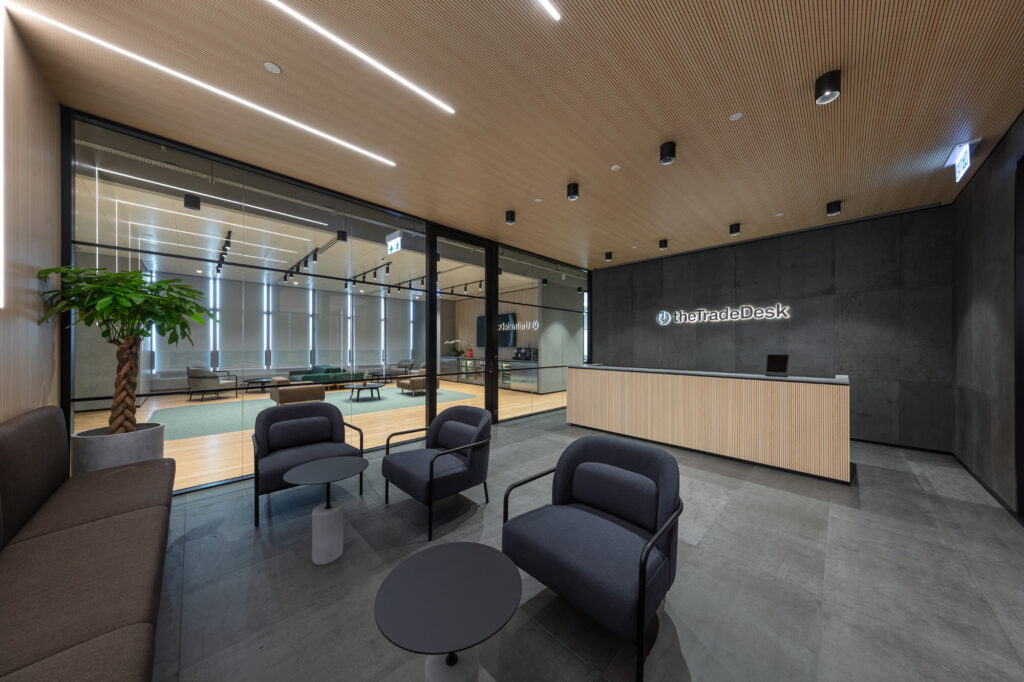
Hong Kong’s dynamic commercial real estate market demands sophisticated project management approaches for successful office fit-out delivery. With premium office space commanding HKD 60-120 per square foot monthly in Central and Admiralty, organisations must maximise return on substantial real estate investments through strategic workspace planning and flawless execution. The city’s unique challenges—dense urban environment, stringent building regulations, limited working hours, and sophisticated tenant expectations—require professional project management expertise navigating complex approval processes whilst delivering high-quality workplaces on schedule and within budget.
Effective office fit-out project management in Hong Kong encompasses comprehensive planning, regulatory compliance, contractor coordination, quality control, and stakeholder management across typical 12-20 week delivery timelines. This guide provides step-by-step methodology for managing office renovation projects in Hong Kong, from initial concept development through final handover. Whether undertaking fit-outs in Grade A Central towers, Kowloon Bay business parks, or Quarry Bay commercial developments, organisations benefit from structured project management frameworks ensuring successful outcomes.
Understanding Hong Kong’s specific requirements—Buildings Department submissions, Building Management approval processes, after-hours working restrictions, and material delivery logistics in congested urban environment—proves essential for avoiding costly delays and compliance issues. This comprehensive guide equips project sponsors and facilities managers with knowledge necessary to oversee office fit-out projects confidently, working effectively with design teams, contractors, and regulatory authorities throughout the renovation process.
Phase 1: Project Initiation and Feasibility Assessment (Weeks 1-2)
Defining Project Objectives and Success Criteria
Successful office fit-out projects begin with clear objective definition aligned with organisational strategy. Project sponsors should articulate specific goals including headcount accommodation (current and projected), departmental adjacencies and functional relationships, workplace strategy supporting hybrid work models, budget parameters and financial constraints, schedule requirements and move-in deadlines, brand expression and aesthetic aspirations, sustainability commitments and Green Building certifications, and technology infrastructure requirements supporting operational needs.
Establishing quantifiable success criteria enables objective project evaluation. Typical metrics include budget variance (targeting completion within +/- 5% of approved budget), schedule performance (achieving substantial completion by target date), quality standards (zero Category A defects at handover), employee satisfaction (minimum 75% approval rating in post-occupancy survey), and space efficiency (achieving target square feet per employee whilst maintaining workplace quality).
These clearly defined objectives and success criteria guide decision-making throughout the project lifecycle, preventing scope creep and maintaining stakeholder alignment when competing priorities emerge during design and construction phases.
Site Assessment and Constraints Analysis
Comprehensive site assessment identifies physical, regulatory, and operational constraints shaping project feasibility. Key assessment activities include site survey documenting existing conditions through measured drawings and photography, building services review evaluating HVAC capacity, electrical supply, plumbing infrastructure, and technology backbone, structural assessment identifying load-bearing elements and maximum floor loading capacities, access logistics documenting goods lifts, loading bays, working hours restrictions, and material delivery protocols, and neighbouring tenant considerations understanding adjacency impacts and coordination requirements.
Hong Kong’s dense urban environment creates unique logistical challenges. Many Grade A buildings restrict noisy works to after-hours periods (typically 7pm-7am weekdays and weekends), substantially impacting construction schedules and costs through labour premiums of 50-100%. Loading bay access requires advance booking with limited time windows, necessitating precise material delivery coordination. Vertical transportation constraints in high-rise buildings affect material hoisting and waste removal logistics.
Building Management provides critical information including fit-out handbooks specifying construction standards and restrictions, approved contractor lists limiting vendor selection, protection work requirements safeguarding common areas and building systems, and insurance requirements establishing minimum coverage levels. Early Building Management engagement prevents costly surprises during project execution.
Budget Development and Financial Planning
Realistic budget development requires understanding Hong Kong fit-out cost drivers and market pricing. Typical Grade A office fit-out costs range HKD 800-1,500 per square foot depending on finish quality, complexity, and building constraints. Budget components include design fees (8-15% of construction costs covering architecture, interior design, M&E engineering, and project management), construction costs subdivided into demolition and site preparation (HKD 50-100 per square foot), partitions and doors (HKD 150-250 per square foot), ceiling systems (HKD 100-150 per square foot), flooring (HKD 120-200 per square foot), M&E services (HKD 200-350 per square foot), joinery and millwork (HKD 150-300 per square foot), and finishes and decorations (HKD 80-150 per square foot).
Additional budget considerations include furniture and equipment (HKD 80,000-150,000 per workstation fully equipped), technology infrastructure including AV systems and networking (HKD 100-200 per square foot), Building Management fees for hoarding, protection works, and security deposits (typically HKD 200,000-500,000), statutory fees for Buildings Department submissions and professional certifications, and contingency reserves (typically 10-15% of construction budget for unforeseen conditions and design changes).
Hong Kong’s after-hours working requirements substantially increase labour costs. Projects requiring extensive noisy works during restricted hours should budget additional 25-40% for labour premiums. Comprehensive budget development at project initiation prevents mid-project financial surprises requiring scope reductions or additional funding approvals.
Stakeholder Identification and Engagement Planning
Office fit-out projects involve multiple stakeholder groups requiring coordinated engagement throughout project lifecycle. Internal stakeholders include executive sponsors providing strategic direction and budget approval, end users whose daily work the space will support, IT department ensuring technology infrastructure alignment, facilities management team responsible for ongoing operations and maintenance, and HR department supporting change management and employee communications.
External stakeholders include Building Management enforcing fit-out guidelines and coordinating building operations, Buildings Department reviewing statutory submissions and issuing permits, design consultants (architects, interior designers, M&E engineers) developing project documentation, main contractor and specialist subcontractors executing construction works, furniture and equipment suppliers, and neighbouring tenants potentially affected by construction activities.
Stakeholder engagement planning establishes communication protocols, decision-making authorities, and meeting cadences. Typical governance structures include steering committee meetings (monthly) for executive updates and major decisions, project team meetings (weekly) for design coordination and issue resolution, site coordination meetings (weekly during construction) addressing execution matters, and user group workshops (as needed) gathering employee input on workspace design.
Phase 2: Design Development and Documentation (Weeks 3-8)
Space Planning and Workplace Strategy
Space planning translates organisational requirements into physical workspace configurations optimising functionality, efficiency, and employee experience. Hong Kong office space planning typically achieves 80-110 square feet per employee, reflecting premium rental costs and cultural acceptance of efficient layouts. Space allocation strategies include traditional layout (60-70% workstations, 20-25% meeting rooms, 10-15% support spaces) suitable for organisations requiring dedicated desks and private offices, activity-based working (40-50% varied work settings, 25-30% collaboration spaces, 15-20% social and amenity areas, 10-15% meeting and presentation spaces) supporting flexible work practices, or hybrid approach (50-60% assigned desks, 20-25% flexible collaboration settings, 15-20% meeting rooms, 5-10% amenities) balancing traditional and flexible elements.
Workplace planning considerations specific to Hong Kong include maximising harbour or city views as premium amenities justifying rental costs, managing solar heat gain from extensive glazing through appropriate shading and HVAC design, accommodating feng shui principles where culturally important to organisation or building, designing for typhoon preparedness with appropriate window treatments and emergency protocols, and integrating technology supporting connectivity with mainland China operations for many Hong Kong businesses.
Space planning workshops with end users gather functional requirements, understand workflow patterns, and build employee buy-in for workplace changes. These participatory processes reduce resistance to change whilst ensuring workspace designs genuinely support operational needs rather than imposing generic solutions.
Design Development and Material Selections
Design development progresses preliminary concepts into detailed specifications ready for contractor pricing and permitting. This phase includes architectural design developing partition layouts, door schedules, ceiling plans, and finish specifications, interior design selecting furniture systems, colour schemes, material palettes, and decorative elements, M&E engineering designing HVAC modifications, electrical distribution, lighting systems, and plumbing alterations, structural engineering certifying floor loading for heavy installations and partition configurations, and acoustic design ensuring appropriate sound isolation and ambient noise control.
Material selections significantly impact project costs, schedules, and sustainability performance. Hong Kong’s humid subtropical climate requires materials resistant to moisture and mould growth. Specification considerations include flooring materials typically using carpet tiles (easy replacement, variety of patterns, acoustic benefits), vinyl planks (durability, easy maintenance, cost-effective), or engineered timber (premium appearance, requires careful moisture management); partition systems employing gypsum board on metal studs (cost-effective, flexible, achieves required fire ratings) or demountable partitions (reconfiguration flexibility, higher initial cost, suitable for organisations anticipating change); ceiling systems using mineral fibre tiles (acoustic performance, accessible services, economical) or gypsum board suspended ceilings (premium aesthetic, requires access hatches); and finishes including low-VOC paints meeting indoor air quality standards, laminate or veneer joinery with appropriate fire ratings, and glass manifestations preventing injury whilst maintaining transparency.
Sustainability considerations increasingly influence material selections as organisations pursue Green Building certifications (BEAM Plus in Hong Kong) or global ESG commitments. Sustainable specification includes locally sourced materials reducing transportation impacts, recycled content products, FSC-certified timber, low-emitting materials (paints, adhesives, sealants, composite wood) meeting VOC limits, and products with Environmental Product Declarations (EPDs) quantifying lifecycle impacts.
Building Permit Applications and Regulatory Compliance
Hong Kong office fit-outs require Buildings Department approval through submission prepared by Authorized Person (AP), typically a registered architect. Submission requirements include general building plans showing partition layouts and door schedules, structural plans certifying floor loading and structural alterations, ventilation plans demonstrating compliance with minimum ventilation requirements, drainage plans for any plumbing modifications, and fire service plans coordinating with building fire protection systems.
Minor Works Control System streamlines approval for specific work types through three classes: Class I Minor Works requiring prior approval and consent (structural alterations, new staircases, modifications affecting fire safety), Class II Minor Works requiring prior approval without consent (window replacements, minor drainage works, erection of external hoardings), and Class III Minor Works requiring submission within 7 days of commencement (repairs, interior decorations not affecting structure or fire safety). Most office fit-outs qualify for Class II or III categorisation enabling faster approval compared to full building plan submissions.
Building Management approval typically precedes Buildings Department submission, as most building managements require preliminary design review before permitting statutory submissions. Management review focuses on compliance with fit-out guidelines, protection of building systems and common areas, adequacy of contractor insurance, and construction methodology including working hours, hoisting arrangements, and waste disposal.
Typical approval timeline includes Building Management preliminary approval (1-2 weeks), Buildings Department submission preparation (2-3 weeks), Buildings Department review and approval (2-4 weeks for straightforward Minor Works, 4-8 weeks for complex submissions), and Fire Services Department coordination where works affect fire protection systems (2-3 weeks). Total approval duration typically spans 6-10 weeks, representing critical path activity requiring early initiation.
Cost Estimation and Tender Documentation
Detailed cost estimation and tender documentation enable competitive contractor selection and establish project budget certainty. Quantity surveyors (QS) prepare detailed measurements and cost estimates based on developed designs, providing item-by-item pricing for all construction elements. Cost estimates should include sufficient detail supporting value engineering if required to align with budget constraints.
Tender documentation packages include architectural drawings (floor plans, reflected ceiling plans, elevations, sections, details), interior design specifications (furniture layouts, finish schedules, material specifications), M&E drawings (electrical layouts, lighting plans, HVAC modifications, data and voice cabling), structural drawings for loading-sensitive works, project specifications detailing quality standards and installation requirements, schedules of finishes and materials, project programme establishing timeline expectations, and preliminaries covering site establishment, protection works, temporary facilities, and general conditions.
Hong Kong construction market typically employs measurement contracts where contractors price based on detailed quantities, or lump sum contracts for smaller straightforward projects. Tender packages distributed to 3-5 pre-qualified contractors generate competitive pricing whilst maintaining manageable evaluation workload. Tender periods typically run 2-3 weeks enabling thorough contractor review and pricing development.
Phase 3: Contractor Procurement and Mobilisation (Weeks 9-11)
Tender Evaluation and Contractor Selection
Systematic tender evaluation considers multiple criteria beyond lowest price. Evaluation factors include price competitiveness comparing total tender sums and unit rate reasonableness, programme assessment evaluating proposed timeline realism and resource allocation, past performance reviewing contractor references and completed project quality, financial stability confirming adequate bonding capacity and creditworthiness, technical capability assessing understanding of project requirements and proposed methodology, safety record examining workplace safety statistics and management systems, and key personnel qualifications reviewing project manager, site supervisors, and foreman experience.
Tender clarification meetings address ambiguities, omissions, or queries in contractor submissions. These sessions enable direct contractor engagement, assess communication capability and problem-solving approach, and clarify assumptions underlying tender pricing. Post-clarification, contractors may submit revised pricing addressing identified issues or opportunities.
Award recommendation balances price competitiveness with capability assessment. Lowest tender does not automatically win, as unrealistically low pricing often signals incomplete pricing, unfamiliarity with project complexity, or subsequent variation claims eroding initial savings. Selection of technically capable, financially stable contractors with appropriate pricing delivers superior long-term value compared to aggressive low-bid awards.
Contract execution formalises terms including scope of work, contract sum, payment terms (typically monthly progress claims with 5-10% retention), programme milestones and completion dates, liquidated damages for delays (commonly HKD 5,000-20,000 per day depending on project size), insurance requirements, and dispute resolution procedures. Standard form contracts including Hong Kong Government General Conditions of Contract or Joint Contracts Tribunal (JCT) forms adapted to Hong Kong practice provide balanced risk allocation and familiar frameworks.
Site Establishment and Mobilisation
Construction mobilisation establishes site infrastructure and safety systems supporting project execution. Mobilisation activities include hoarding erection protecting construction areas and maintaining security, protection works safeguarding existing building elements including lift lobbies, corridors, lift cars, and goods lift, temporary facilities including site office, storage containers, and worker welfare facilities, safety installations including edge protection, scaffold, and temporary works, utility connections for temporary power, water, and lighting, and waste management systems with designated segregation areas and disposal schedules.
Building Management coordination during mobilisation addresses loading bay bookings for material deliveries, goods lift reservations and protection requirements, after-hours access arrangements for workers, security protocols including worker registration and access cards, and coordination with neighbouring tenants minimising construction impact.
Mobilisation typically requires 1 week before main construction works commence. Quality mobilisation establishes organised, safe work environment supporting efficient construction execution whilst demonstrating professionalism to Building Management and neighbouring tenants.
Pre-Construction Planning and Risk Assessment
Comprehensive pre-construction planning identifies potential issues before field execution, enabling proactive mitigation rather than reactive problem-solving. Planning activities include detailed construction programme development with activity sequences and resource allocation, method statements documenting construction approach for critical activities, material procurement schedules ensuring timely delivery of long-lead items, submittal schedules establishing timelines for shop drawings, samples, and material approvals, and risk assessment identifying potential issues with mitigation strategies.
Risk assessment systematically evaluates project-specific challenges. Common Hong Kong office fit-out risks include after-hours working coordination—failure to secure adequate after-hours access creates schedule delays and cost overruns, material delivery logistics—restricted loading bay access and vertical transportation constraints affecting material flow, coordination with building services—unanticipated conflicts with existing building systems requiring design modifications, hidden existing conditions—concealed elements differing from record drawings necessitating design adaptations, and labour availability—skilled worker shortages during peak construction periods affecting schedule.
Risk mitigation strategies address identified concerns through contingency planning, alternative suppliers or methods, enhanced coordination protocols, and appropriate float allowances in programme. Proactive risk management reduces likelihood of issues derailing project execution.
Phase 4: Construction Execution and Management (Weeks 12-22)
Site Supervision and Quality Control
Continuous site supervision ensures construction compliance with design intent, specification requirements, and quality standards. Site supervision responsibilities include daily site inspections monitoring work progress, quality, and safety compliance, coordination meetings with main contractor and specialist subcontractors, review and approval of shop drawings, samples, and material submittals, verification of material deliveries confirming specification compliance, witnessing critical installation stages including concealed works requiring documentation before covering, and punch list development documenting deficiencies requiring rectification.
Quality control mechanisms prevent defects and ensure specification compliance. Key quality processes include mock-up approvals for critical finishes (flooring, ceiling, joinery) establishing quality benchmarks before bulk installation, material testing and certifications verifying compliance with specifications and regulatory requirements, dimensional verification ensuring partition locations, ceiling heights, and millwork dimensions match approved drawings, and photographic documentation creating visual record of installation progress and quality.
Hong Kong’s construction environment presents unique quality challenges. High humidity affects material storage and installation—timber products require acclimatisation, adhesive curing times extend, paint application requires careful moisture management. Quality control processes must address climate-specific considerations preventing moisture-related defects.
Programme Management and Progress Monitoring
Effective programme management maintains schedule discipline, identifies delays early, and implements corrective actions minimising disruption. Programme management activities include weekly progress meetings reviewing completed activities against planned programme, updating construction programme reflecting actual progress and forecast completion, critical path analysis identifying activities controlling overall completion date, look-ahead planning detailing upcoming 2-4 week activities and required resources, and delay analysis documenting causes and responsible parties when slippage occurs.
Progress monitoring mechanisms include percentage completion assessments by activity or work package, milestone achievement tracking major deliverables and decision points, productivity monitoring comparing actual versus planned output rates, and photographic progress documentation creating visual record supporting progress claims and stakeholder communications.
Schedule acceleration strategies address identified delays including increased labour deployment on critical activities, extended working hours (subject to Building Management approval and labour availability), concurrent activity execution where sequencing allows parallel work, and fast-tracking certain procurement or approval activities. Early delay identification enables less disruptive acceleration compared to crash programmes near project end.
Change Management and Variation Control
Construction projects inevitably encounter changes from design modifications, unforeseen site conditions, or client requests. Formal change management processes maintain budget and schedule control whilst enabling necessary adaptations. Change control procedures include variation identification recognising deviations from contract documents, impact assessment evaluating cost and schedule implications, approval workflow routing variations to appropriate authority levels based on value thresholds, documentation maintaining comprehensive record of approved changes and cumulative impact, and implementation verification ensuring changes properly executed.
Hong Kong practice typically categorises variations as Variation Orders (VO) for changes instructed by client or design consultants, dayworks for labour-based works where pricing upfront proves difficult, and contra-charges for contractor-caused issues requiring correction. Careful variation control prevents scope creep eroding budgets through accumulated small changes.
Change management discipline requires balancing necessary adaptations supporting project objectives against undisciplined changes degrading budget and schedule performance. Clear approval authorities and documented business cases for significant changes maintain governance whilst enabling reasonable flexibility.
Safety Management and Regulatory Compliance
Construction safety represents paramount concern requiring continuous management attention and resource commitment. Safety management systems include site safety plans documenting hazards, controls, and emergency procedures, safety orientation for all site personnel before commencing work, toolbox talks addressing specific activity risks and control measures, safety inspections identifying hazards and verifying control implementation, incident reporting and investigation procedures, and safety performance monitoring tracking leading indicators (inspections, near-misses) and lagging indicators (injuries, property damage).
Hong Kong’s Construction Sites (Safety) Regulations establish minimum safety standards including edge protection at open sides of working platforms, proper scaffold design and erection by competent persons, fall arrest systems for working at heights, traffic management for material deliveries, and personal protective equipment requirements. Occupational Safety and Health Ordinance imposes general duty of care requiring risk assessment and implementation of reasonable controls.
Labour Department inspections and prosecutions for safety violations create regulatory compliance imperatives beyond ethical considerations. Contractors must maintain comprehensive safety documentation, implement effective controls, and demonstrate due diligence preventing workplace injuries.
Phase 5: Testing, Commissioning, and Handover (Weeks 23-24)
Systems Testing and Commissioning
Comprehensive testing and commissioning verify building systems operate correctly before occupation. Testing activities include electrical systems testing verifying proper circuit protection, earthing, and safety systems, lighting system commissioning confirming control systems, emergency lighting, and illumination levels, HVAC balancing ensuring proper air distribution and temperature control, plumbing testing verifying drainage and water supply systems, fire protection system testing coordinating with building management and Fire Services Department, audiovisual system testing in meeting rooms and presentation spaces, and IT infrastructure testing verifying data cabling, network connectivity, and telecommunications.
Commissioning typically requires 1-2 weeks allowing systematic verification of all systems, identification of deficiencies, and rectification before final acceptance. Testing should include operational scenarios simulating actual usage patterns ensuring systems perform under realistic conditions rather than merely achieving technical specifications.
Documentation of testing results provides verification record supporting statutory approvals, building management acceptance, and client handover. Test certificates from qualified personnel (Licensed Electrical Workers for electrical systems, Registered Fire Service Installation Contractors for fire protection) meet regulatory requirements.
Defects Inspection and Snagging
Comprehensive defects inspection identifies all non-conformances requiring rectification before handover. Snagging activities include systematic inspection by space and element type, photographic documentation of defects with clear descriptions, categorisation of defects by severity (Category A – significant non-compliance requiring immediate attention, Category B – minor issues not preventing occupation, Category C – cosmetic matters addressed during defects liability period), defects list distribution to contractor with rectification deadlines, and reinspection verifying completion of rectification works.
Hong Kong practice typically targets zero Category A defects at practical completion, allowing handover with minor Category B items completed during initial occupation and Category C items addressed during defects liability period (typically 12 months). Comprehensive snagging prevents disputes over incomplete works and ensures quality handover.
Independent snagging consultants provide objective assessment particularly valuable for less experienced clients or complex fit-outs. Professional snagging identifies defects easily overlooked by project team familiar with daily site conditions.
Documentation Handover and As-Built Records
Complete documentation handover provides client with information necessary for operations, maintenance, and future modifications. Handover documentation includes as-built drawings reflecting actual installed conditions, O&M manuals for mechanical, electrical, and specialist systems, warranties and guarantees for materials and equipment, equipment spare parts, statutory approvals and certification from Buildings Department and Fire Services Department, safety files documenting hazardous materials, structural elements, and building services, and keying schedules for lock systems.
As-built drawings prove particularly critical for future renovation works, as concealed elements including services routing, structural modifications, and fire protection systems require accurate documentation. Many organisations encounter significant additional costs in future projects due to inadequate as-built records necessitating intrusive investigation works.
Digital documentation in CAD, BIM, or PDF formats provides accessible archive enabling efficient future reference. Cloud-based storage with appropriate access controls ensures documentation preservation beyond individual staff tenure.
Practical Completion and Occupation Permit
Practical completion certification signifies works substantially complete enabling beneficial occupation. Practical completion requires defects list reduced to minor Category B items not preventing occupation, systems testing and commissioning successfully completed, statutory approvals obtained including Occupation Permit where required, building management acceptance confirmed, and documentation handover completed.
Occupation Permit from Buildings Department provides legal authorisation for occupation where works required building plan approval. Minor Works often do not require Occupation Permit, with Buildings Department inspection and sign-off confirming compliance. Building Management typically requires confirmation of regulatory compliance before permitting occupation.
Certificate of Practical Completion triggers defects liability period commencement (typically 12 months) during which contractor remains responsible for defect rectification. Final account settlement occurs after defects liability period concludes with retention release following satisfactory completion of all outstanding items.
Project Management Tools and Methodologies
Programme Management Software
Effective programme management requires appropriate software tools tracking activities, dependencies, and resources. Programme management tools commonly used in Hong Kong include Microsoft Project providing comprehensive scheduling with critical path analysis and resource loading, Primavera P6 offering enterprise-level programme control for complex projects, and web-based platforms (Procore, Aconex) enabling collaborative programme tracking accessible to all stakeholders.
Programme management discipline requires weekly updates reflecting actual progress, maintaining logic links between activities showing dependencies, identifying critical path showing activities controlling overall completion, and generating look-ahead schedules detailing upcoming 2-4 weeks supporting resource coordination.
Visual programme formats including Gantt charts, milestone schedules, and summary timelines serve different audiences. Executive stakeholders require high-level milestone views, whilst construction teams need detailed activity schedules with daily/weekly granularity.
Document Management and Collaboration Platforms
Construction projects generate substantial documentation requiring systematic organisation and access control. Document management systems provide centralised repositories for drawings, specifications, submittals, correspondence, meeting minutes, and approvals with version control, access permissions, and audit trails.
Cloud-based collaboration platforms (Aconex, Procore, BIM 360) enable real-time document sharing, submittal workflows, RFI management, and mobile access supporting field decision-making. These systems reduce email-based communications creating fragmentary documentation chains difficult to reconstruct later.
Structured filing hierarchies and naming conventions enable efficient document retrieval. Typical document structures organise by discipline (architecture, interior, MEP, structural), document type (drawings, specifications, submittals, correspondence), and chronology (original, revisions, as-built).
Quality Management Systems
Systematic quality management prevents defects and ensures specification compliance through documented procedures and verification checkpoints. Quality management elements include inspection and test plans (ITP) identifying critical activities requiring inspection before proceeding, hold points requiring explicit approval before continuation, quality control checklists guiding inspector verification, non-conformance reports documenting deviations with corrective actions, and material testing and certification procedures.
Quality assurance extends beyond construction activities to design reviews, contractor shop drawing approvals, and material submittals. Catching errors before field execution proves far less costly than rectification of installed non-compliant work.
Independent quality audits by third-party consultants provide objective assessment particularly valuable for high-value projects or organisations lacking internal technical expertise.
Conclusion: Disciplined Project Management Delivers Success
Successful Hong Kong office fit-out delivery requires disciplined project management approaches navigating the city’s unique challenges—stringent building regulations, restricted working hours, congested urban logistics, and sophisticated tenant expectations. The step-by-step methodology outlined in this guide provides structured framework ensuring comprehensive planning, effective execution, and quality outcomes.
Critical success factors include thorough upfront planning with realistic budgets and schedules, early Building Management engagement during preliminary design, experienced consultant and contractor selection, systematic quality control throughout construction, formal change management preventing scope creep, proactive risk management addressing potential issues before they materialise, and comprehensive documentation supporting handover and future operations.
Organisations investing in professional project management expertise—whether internal resources or external consultants—consistently achieve superior outcomes compared to informal approaches. The complexity of Hong Kong’s regulatory environment, construction market dynamics, and building management requirements demands specialised knowledge and experience.
As Hong Kong’s office market continues evolving with hybrid work adoption, sustainability imperatives, and technology integration, strategic workplace planning combined with excellent project delivery creates competitive advantage through high-quality work environments supporting talent attraction, employee productivity, and operational efficiency.
FAQ: Hong Kong Office Fit-Out Project Management
How long does a typical office fit-out take in Hong Kong?
What are typical costs for office fit-out in Hong Kong?
What building permits are required for Hong Kong office fit-outs?
How do after-hours working restrictions affect Hong Kong fit-out projects?
What are key differences between fit-outs in Central versus Kowloon/New Territories?
How should organisations manage contractor selection in Hong Kong?
What are common pitfalls in Hong Kong office fit-out projects?
How can organisations achieve sustainable office fit-outs in Hong Kong?
About Facilitate
Facilitate is an independent project management consultancy specialising in office fit-out delivery across Hong Kong and Asia Pacific. With deep local expertise in Hong Kong’s regulatory environment, building management protocols, and construction market, Facilitate guides organisations through complex fit-out projects from concept through successful handover. Our comprehensive services span workspace strategy, design management, contractor procurement, construction supervision, and commissioning, ensuring projects deliver on schedule, within budget, and to exceptional quality standards.
Contact our Hong Kong project management team to discuss your office fit-out requirements and benefit from our proven delivery expertise.


