Sustainable Insurance Workplace at Guoco Midtown: LEED and Green Mark Certification Excellence
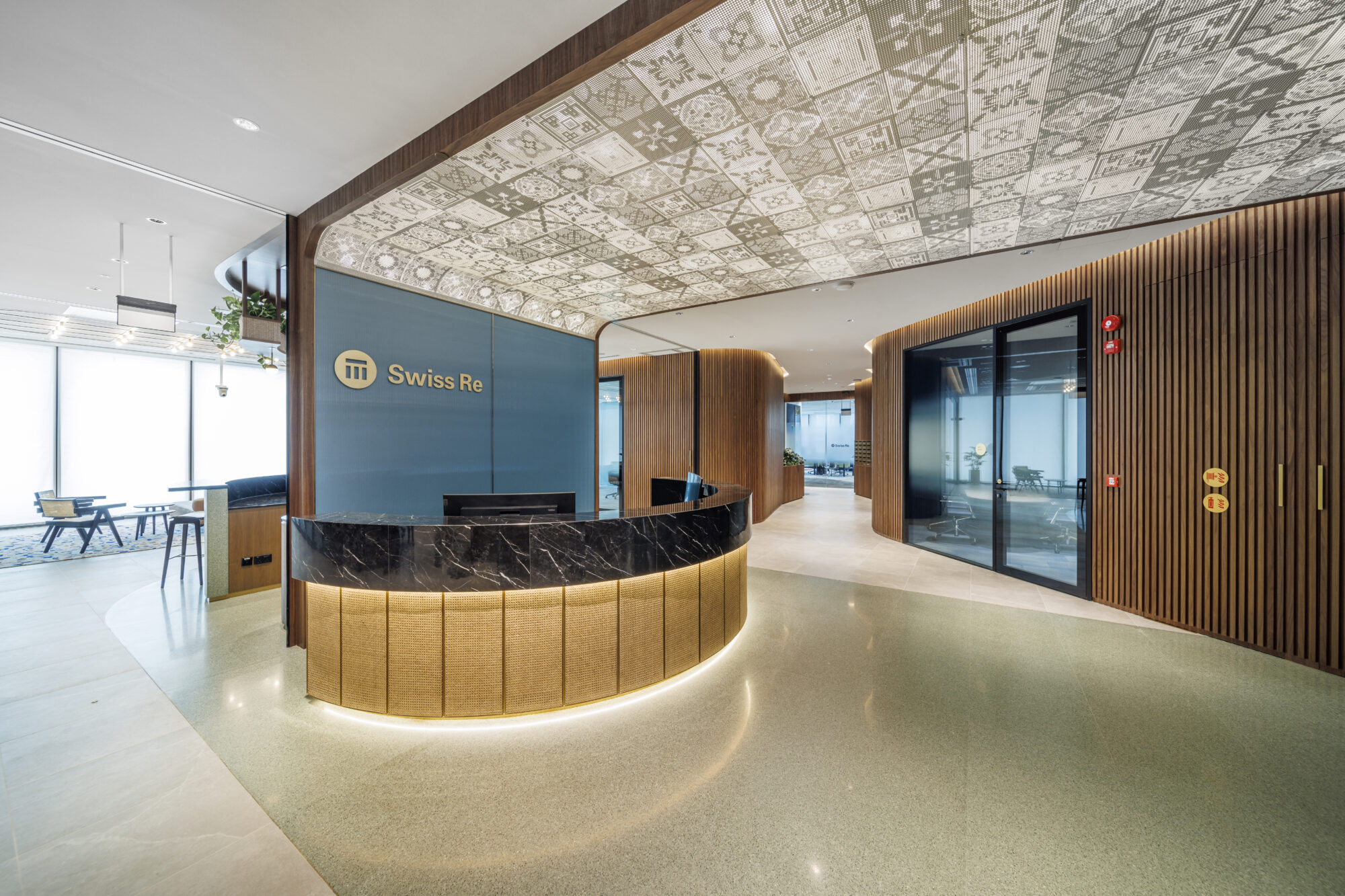
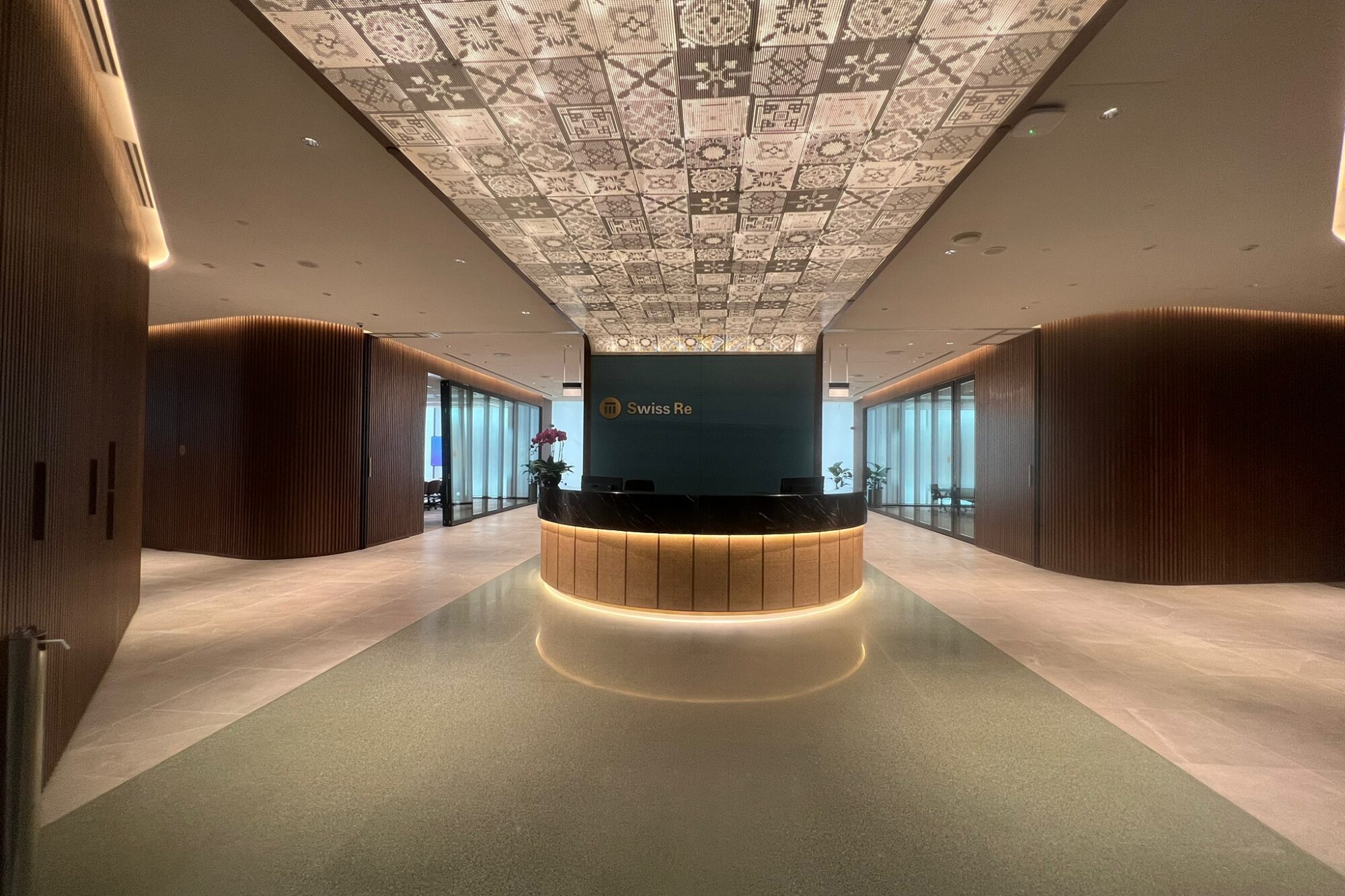
The successful delivery of Swiss Re’s new Singapore office at Guoco Midtown demonstrates our expertise in creating world-class sustainable workspaces that meet the rigorous environmental standards of global insurance and reinsurance leaders. This comprehensive project showcases our ability to translate corporate sustainability commitments into high-performance workplace environments, delivering an energy-efficient office that targets both LEED and Green Mark certifications within Singapore’s newest Grade A integrated development.
Located in Guoco Midtown, one of Singapore’s most prestigious mixed-use developments featuring cutting-edge building systems and premium amenities, this project required deep understanding of Swiss Re’s comprehensive sustainability framework, coordination with building management for integration with Guoco Midtown’s advanced systems, implementation of energy-efficient technologies that exceed Singapore baseline standards, and meticulous documentation supporting dual certification under both LEED and Green Mark certification rating systems. The project demonstrates how expert project management translates ambitious sustainability objectives into measurable environmental performance while creating inspiring workspaces that support employee productivity and wellbeing.
The success of this modern workspace illustrates the critical importance of understanding insurance sector requirements, including professional aesthetics reflecting institutional brand standards, secure infrastructure for confidential client data and underwriting information, collaborative spaces supporting complex risk assessment processes, and demonstration of environmental leadership aligning with Swiss Re’s position as global sustainability thought leader in the insurance industry. From initial sustainability strategy development through final certification submissions, every phase required expert coordination between sustainability consultants, specialized contractors, technology providers, and regulatory authorities to ensure the completed workspace achieves Swiss Re’s exacting environmental and operational standards.
Guoco Midtown: Singapore’s Premier Integrated Development
Guoco Midtown represents Singapore’s latest generation of Grade A commercial developments, offering exceptional infrastructure and amenities that support world-class workplace creation. The integrated development features state-of-the-art building management systems with advanced energy monitoring, high-performance building envelope with low-emissivity glazing reducing solar heat gain, premium mechanical and electrical systems designed for operational efficiency, comprehensive building sustainability certifications including Green Mark Platinum, and exceptional connectivity to Singapore’s public transport network including direct MRT access.
The Grade A designation ensures Swiss Re’s Singapore team occupies space meeting the highest standards for building quality, operational performance, and professional presentation—critical factors for insurance companies where office environment influences client confidence and supports talent attraction in Singapore’s competitive financial services employment market. The Guoco Midtown location provides Swiss Re with prestigious business address supporting brand positioning while offering employees access to retail, dining, and fitness amenities within the integrated development, enhancing work-life integration and employee satisfaction.
Comprehensive Sustainability Strategy and Energy Efficiency
The project’s sustainability approach centered on Swiss Re’s comprehensive environmental framework, which establishes rigorous standards exceeding basic regulatory compliance. Our team worked closely with Swiss Re’s sustainability leadership to implement energy-efficient technologies throughout the workspace, including LED lighting systems with occupancy sensors and daylight harvesting delivering 40-50% energy savings versus conventional lighting, high-efficiency HVAC systems with variable refrigerant flow technology and demand-controlled ventilation, advanced building management system integration enabling real-time energy monitoring and optimization, low-emissivity window treatments reducing cooling loads from solar heat gain, and energy-efficient office equipment specifications minimizing plug load consumption.
The comprehensive energy strategy targets significant reductions in operational carbon emissions, supporting Swiss Re’s corporate commitment to carbon neutrality and leadership in climate risk management—core business competencies that the company demonstrates through its own operational practices. Energy modeling conducted during design development projected 25-30% energy consumption reduction compared to Singapore baseline office standards, positioning the workspace for strong performance under both LEED Energy and Atmosphere credits and Green Mark Energy Efficiency criteria.
Dual Certification Strategy: LEED and Green Mark Integration
The project’s pursuit of both LEED and Green Mark certifications reflects Swiss Re’s commitment to environmental excellence validated through multiple independent rating systems. This dual certification approach requires comprehensive documentation and performance verification across overlapping but distinct criteria, demonstrating environmental leadership that resonates with both international stakeholders familiar with LEED standards and Singapore-based clients and partners who prioritize Green Mark recognition.
LEED Certification Requirements and Implementation
LEED certification (Leadership in Energy and Environmental Design certification) pursuit required implementation of sustainable strategies across multiple performance categories including sustainable sites with alternative transportation support and reduced parking demand, water efficiency through low-flow fixtures and water-efficient landscaping within the integrated development, energy performance exceeding ASHRAE baseline standards by required thresholds, materials selection prioritizing recycled content and regional sourcing, indoor environmental quality ensuring excellent air quality and occupant comfort, and innovation credits demonstrating exemplary performance beyond standard requirements.
The LEED certification process involved collaboration with USGBC-accredited sustainability consultants experienced in Singapore projects, comprehensive material documentation tracking product sources and environmental attributes, detailed energy modeling validating performance predictions, commissioning verification ensuring systems perform as designed, and ongoing measurement protocols enabling post-occupancy performance validation. Successfully achieving LEED certification positions Swiss Re’s Singapore office among global leaders in workplace sustainability while supporting the company’s environmental reporting requirements and stakeholder communications regarding operational sustainability performance.
Green Mark Certification and Singapore Market Leadership
Green Mark certification, administered by Singapore’s Building and Construction Authority (BCA), evaluates environmental performance through Singapore-specific criteria particularly relevant to tropical climate conditions. The certification assessment addresses energy efficiency with emphasis on ACMV system performance in high-humidity conditions, water efficiency including rainwater harvesting and water-efficient fixtures, environmental protection including construction waste management and indoor air quality, indoor environmental quality with particular attention to thermal comfort in tropical climate, and other green features including sustainable transportation and environmental management practices.
Pursuing Green Mark certification demonstrates Swiss Re’s commitment to excellence within Singapore’s sustainability framework, supporting the company’s positioning as environmental leader in Singapore’s insurance market and alignment with Singapore government initiatives promoting sustainable building practices. The certification also provides competitive advantage in talent attraction, as 68% of Singapore professionals under age 35 prefer employers demonstrating measurable environmental commitment through workplace sustainability certifications.
Modern Workspace Design for Insurance Operations
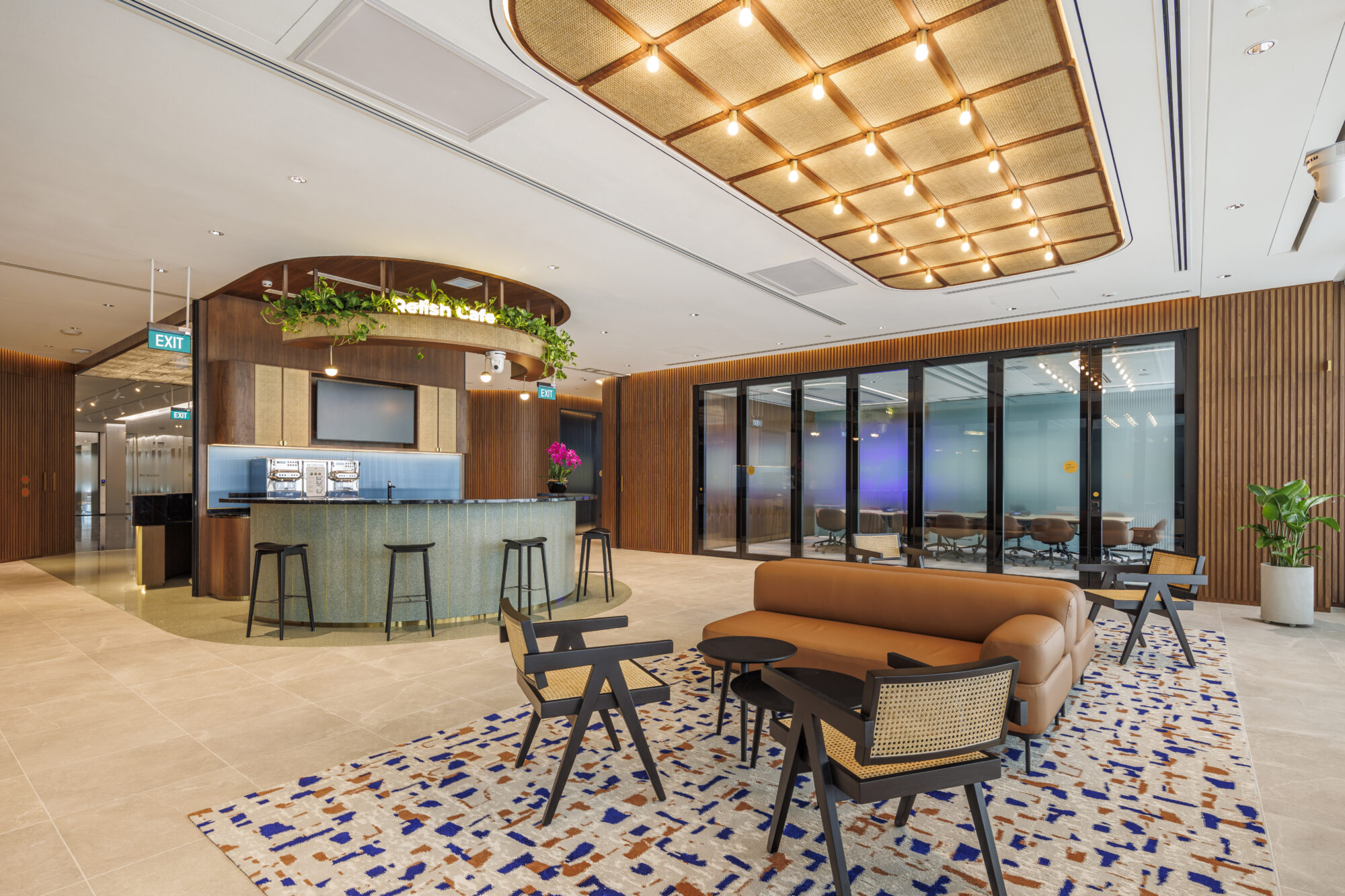
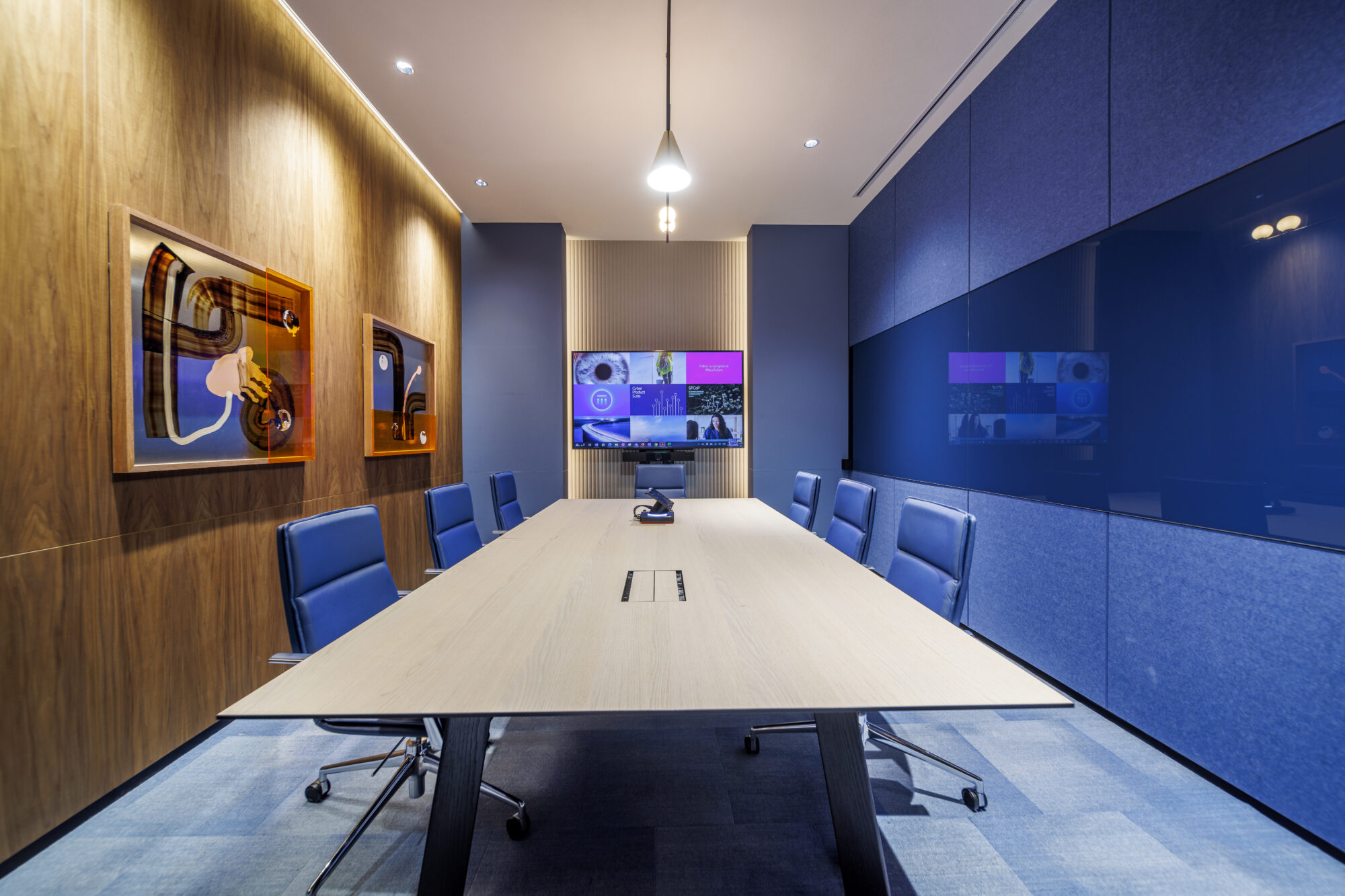
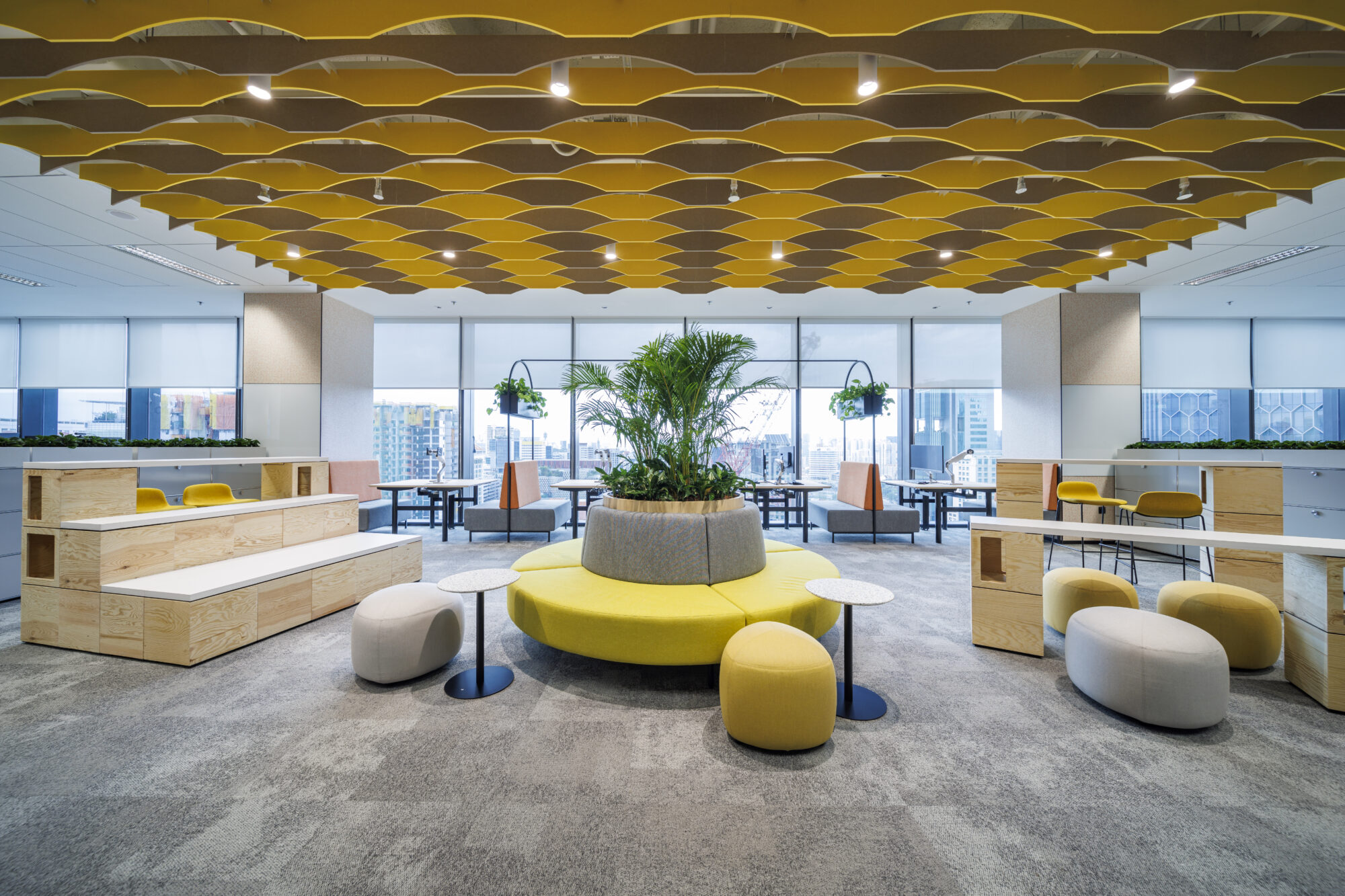
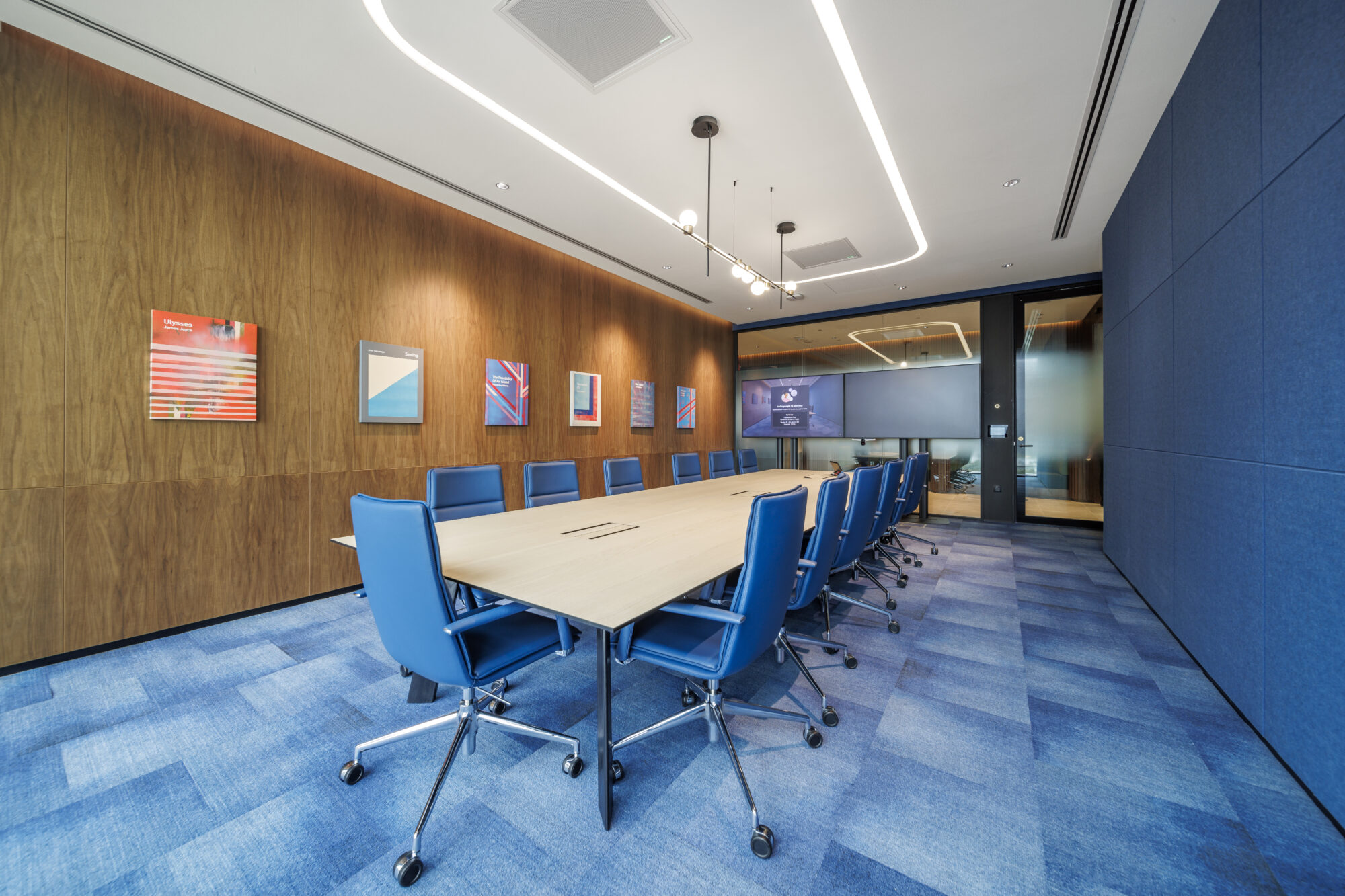
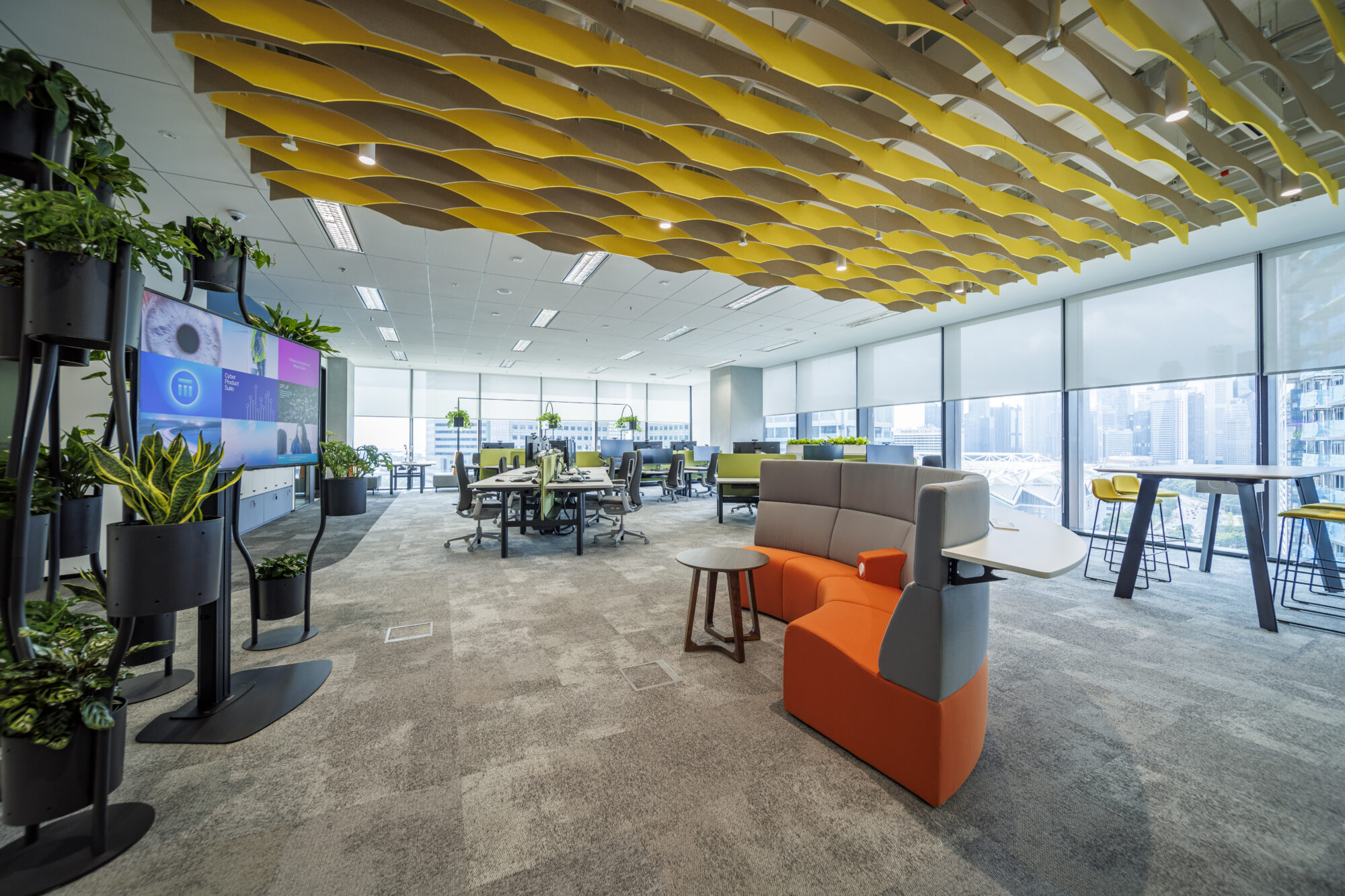
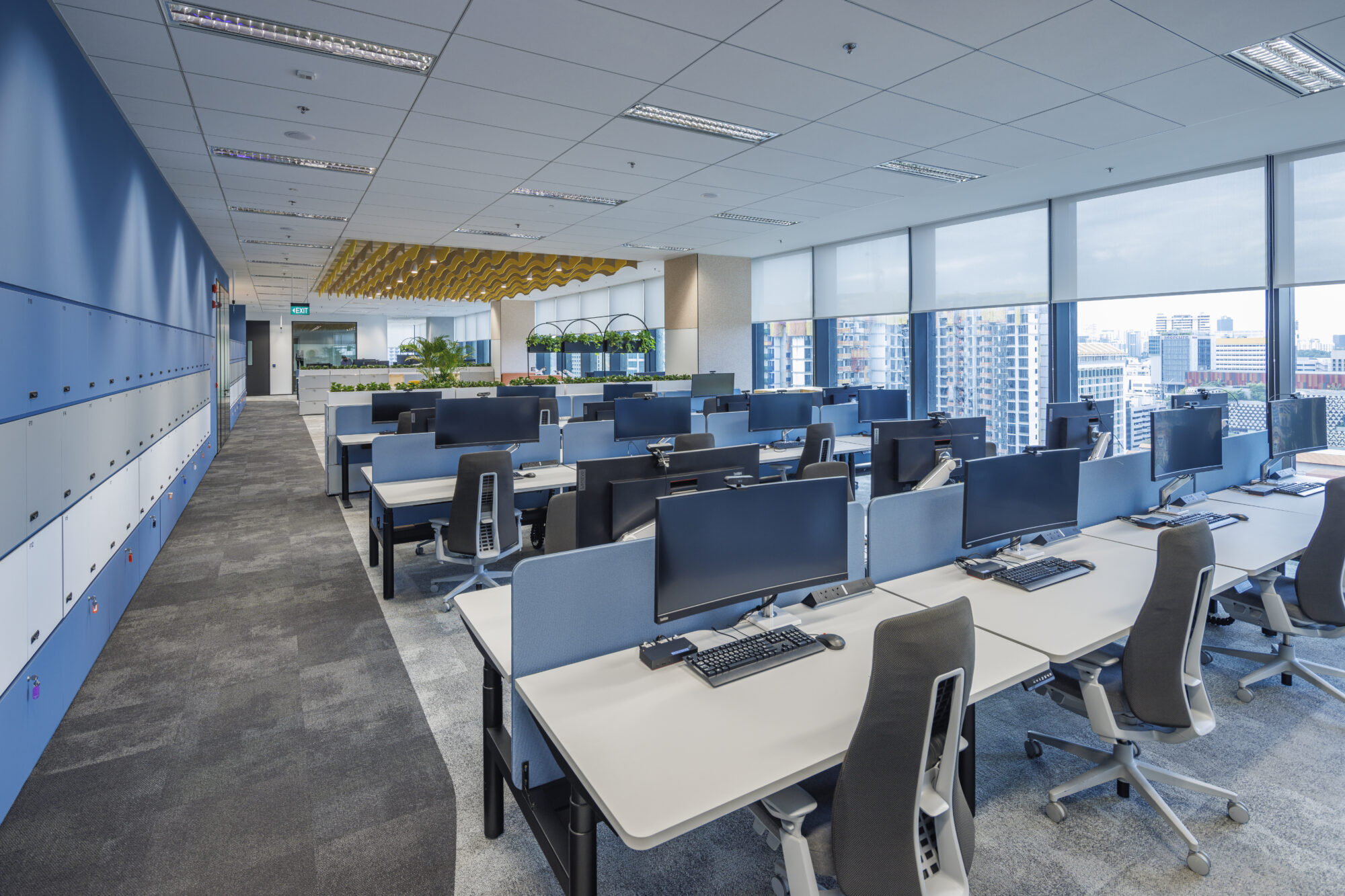
The workspace design balances Swiss Re’s sustainability priorities with operational requirements specific to insurance and reinsurance operations. Design considerations included secure areas for confidential underwriting data and client information, collaborative spaces supporting cross-functional risk assessment teams, flexible meeting facilities accommodating client presentations and stakeholder discussions, professional aesthetic reflecting Swiss Re’s institutional brand positioning, and technology infrastructure supporting sophisticated analytics and modeling tools essential for contemporary insurance operations.
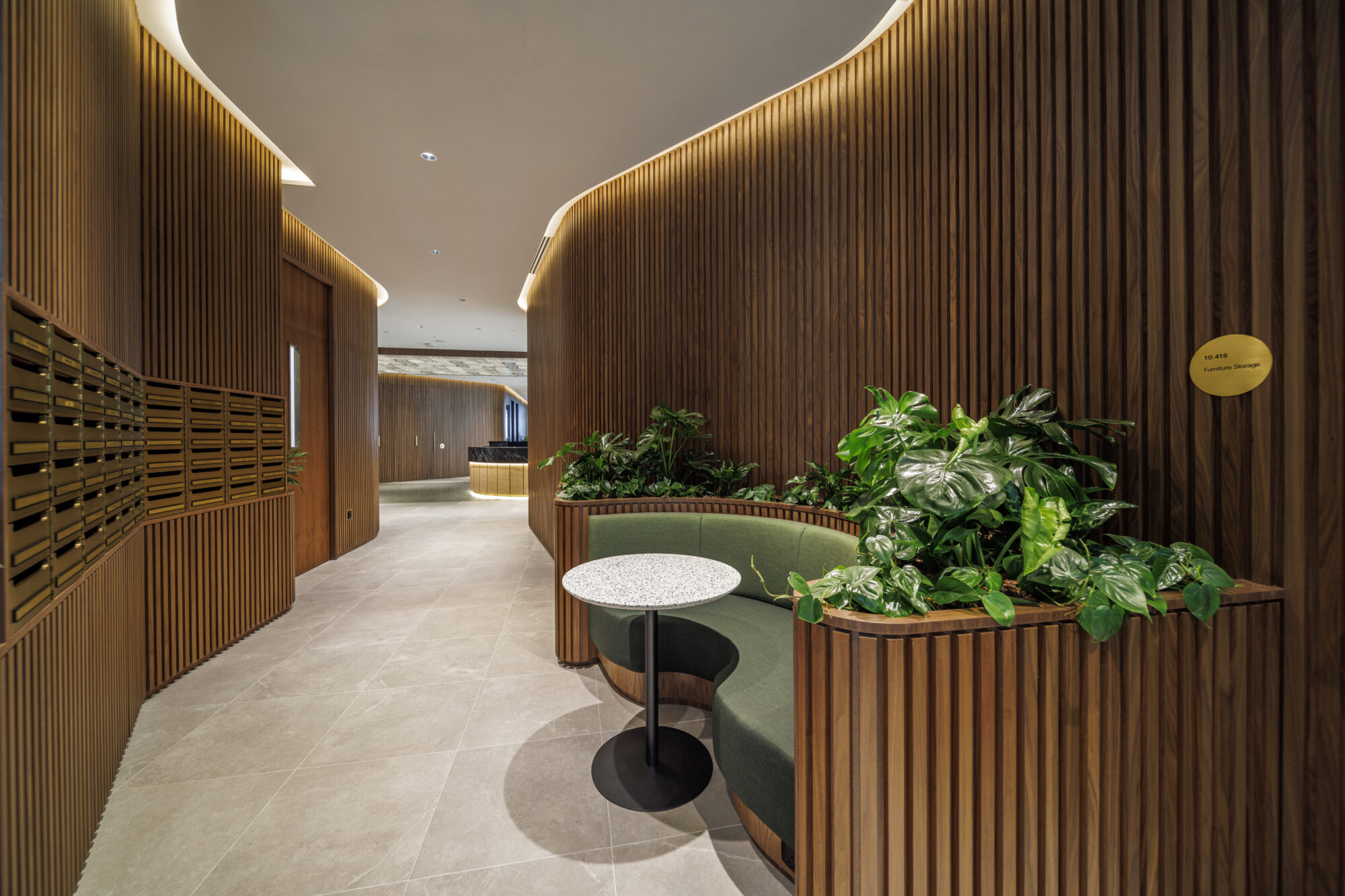
The modern design aesthetic incorporates sustainable materials throughout, including low-VOC finishes improving indoor air quality, recycled content carpet tiles reducing environmental impact, FSC-certified wood products from responsibly managed forests, and locally-sourced materials reducing transportation-related carbon emissions. These material selections support both certification requirements and Swiss Re’s broader sustainability commitments while creating inspiring workspace that attracts and retains top insurance talent in Singapore’s competitive employment market.
Strategic Value and Market Positioning
The completed sustainable workspace delivers strategic value extending beyond immediate operational functionality. The dual LEED and Green Mark certification pursuit positions Swiss Re as sustainability leader within Singapore’s insurance sector, supporting thought leadership and market differentiation. The modern, energy-efficient workspace reduces ongoing operational costs through lower utility consumption (projected annual savings of SGD 50,000-80,000 for typical 25,000 square foot office), supports employee attraction and retention through demonstrated environmental commitment, and provides tangible demonstration of Swiss Re’s climate leadership—increasingly important consideration for corporate clients evaluating insurance partners based on their own ESG risk management capabilities.
The Guoco Midtown location combined with world-class sustainable design creates workplace that supports Swiss Re’s position as leading global reinsurer while demonstrating the company’s commitment to Singapore market. The project showcases how expert sustainability-focused project management creates measurable value through environmental performance, operational efficiency, employee satisfaction, and market positioning—delivering comprehensive returns that justify premium investment in certified sustainable workspaces within Singapore’s competitive commercial real estate market.
FAQs
What are the benefits of pursuing both LEED and Green Mark certification for Singapore offices?
Dual LEED and Green Mark certification provides comprehensive sustainability validation through international recognition via LEED supporting global corporate reporting and stakeholder communications, local credibility through Green Mark demonstrating commitment to Singapore’s sustainability framework and tropical climate expertise, competitive advantage in attracting multinational corporations requiring LEED and local tenants prioritizing Green Mark, enhanced employee attraction with 72% of Singapore professionals valuing workplace sustainability certifications, and operational benefits through rigorous performance requirements of both systems. While dual certification increases project costs by 3-5% and extends documentation timelines by 4-8 weeks, benefits include rental premiums of 8-12% for dual-certified spaces, 15-25% energy cost savings from comprehensive efficiency measures, faster leasing (20-30% reduction in vacancy periods), and improved property valuations (5-10% premium). Insurance and financial services companies particularly benefit from sustainability credentials supporting ESG reporting, risk management positioning, and client confidence in corporate environmental commitment.
What makes Guoco Midtown a premier office location in Singapore?
Guoco Midtown’s premier positioning derives from strategic Beach Road location in Singapore’s expanded CBD, direct connectivity to Bugis MRT interchange station (East-West and Downtown Lines), integrated mixed-use development with retail, dining, and residential components, Grade A building specifications with advanced mechanical systems and high-performance envelopes, comprehensive building sustainability certifications including Green Mark Platinum, modern architecture by renowned designers creating distinctive business address, exceptional floor plates enabling efficient space planning (typical 20,000-30,000 sqft per floor), premium building amenities including sky gardens and communal facilities, and professional building management supporting tenant operations. As one of Singapore’s newest developments (completed 2022), Guoco Midtown offers latest building technology and infrastructure attracting multinational corporations seeking world-class workspace. Rental rates range SGD 11-14 per square foot monthly reflecting premium positioning, with strong tenant demand from financial services, insurance, technology, and professional services sectors. The integrated development concept supports employee work-life integration through on-site amenities, reducing commute requirements and enhancing overall workplace experience valued by Singapore professionals.
How do insurance companies benefit from sustainable workplace design?
Insurance companies gain multiple advantages from sustainable workplaces including operational cost reduction through 20-30% energy savings (SGD 60,000-100,000 annually for typical 25,000 sqft office), market differentiation demonstrating climate leadership essential for companies underwriting climate risk, ESG reporting support with measurable environmental performance metrics, client confidence enhancement as corporate clients increasingly evaluate insurance partners’ sustainability practices, talent attraction with 65% of insurance professionals under 35 preferring employers with environmental commitments, and regulatory positioning as insurance regulators globally increase focus on climate risk and operational sustainability. For reinsurance leaders like Swiss Re, sustainable workplace demonstrates authentic commitment to climate action beyond just underwriting climate-related risks—important credibility factor when advising clients on sustainability transitions. Premium sustainable workspace investment (20-30% above conventional fitouts) delivers ROI through reduced operating costs, stronger talent retention (15-20% lower voluntary turnover), enhanced brand reputation, and competitive advantage in sustainability-focused client segments representing fastest-growing insurance market sectors.
What energy efficiency measures are most effective for Singapore office spaces?
Most effective energy efficiency measures for Singapore offices include high-efficiency ACMV systems with VRF technology delivering 25-35% savings through zone control and heat recovery (Singapore’s consistent cooling demand makes HVAC 60-70% of energy consumption), LED lighting with occupancy sensors and daylight harvesting reducing lighting energy 40-50%, high-performance building envelope with low-E glazing and proper insulation reducing solar heat gain by 30-40%, building management systems (BMS) enabling real-time monitoring and predictive maintenance improving overall efficiency 10-15%, demand-controlled ventilation adjusting fresh air based on occupancy reducing over-ventilation waste, and plug load management through energy-efficient equipment specifications and automated power controls. Singapore’s tropical climate (consistent 26-32°C temperatures, 75-85% humidity) eliminates heating requirements but demands continuous cooling and dehumidification. Comprehensive efficiency strategies achieving 25-30% energy reduction versus baseline (typical consumption 250-300 kWh/m²/year) deliver annual savings of SGD 30,000-60,000 for 20,000 sqft offices (electricity rates SGD 0.25-0.30/kWh). Investment payback periods typically range 3-5 years, with additional benefits including improved Indoor Environmental Quality (IEQ), reduced maintenance costs, and enhanced property values supporting long-term financial returns.
How long does LEED and Green Mark certification process take in Singapore?
Dual LEED and Green Mark certification typically requires 6-12 months from design phase through final certification, depending on project complexity and certification levels pursued. Timeline includes pre-design planning with sustainability consultants (4-6 weeks) establishing certification targets and strategies, design phase documentation (8-12 weeks) preparing submittals for both rating systems, construction phase monitoring (project duration) ensuring compliance with specifications, commissioning and testing (4-8 weeks) verifying system performance, final documentation compilation (6-10 weeks) preparing certification applications with measured data, and review and certification (8-16 weeks) as USGBC and BCA evaluate submissions. Green Mark typically processes faster (8-12 weeks) than LEED (12-16 weeks) due to BCA’s familiarity with Singapore projects. Pursuing both certifications simultaneously requires careful coordination but leverages overlapping documentation requirements, adding only 20-30% incremental effort versus single certification. Professional consultant fees range SGD 35,000-60,000 for dual certification, with certification registration and review fees adding SGD 15,000-25,000. Early engagement of sustainability consultants during design phase proves critical for achieving high certification levels (LEED Gold/Platinum, Green Mark Platinum) without costly design revisions later in project timeline.
What workplace features are most important for insurance sector offices in Singapore?
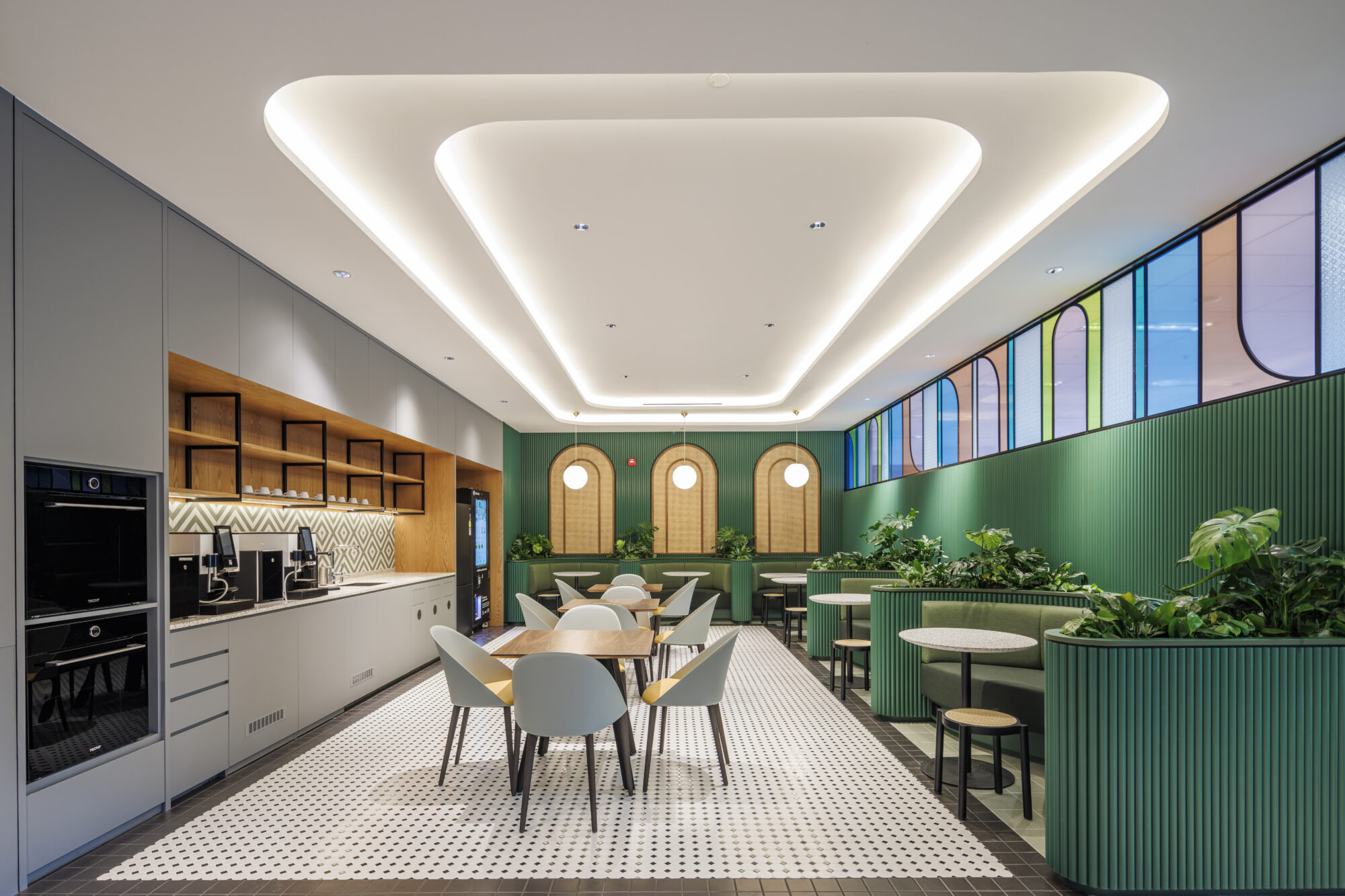
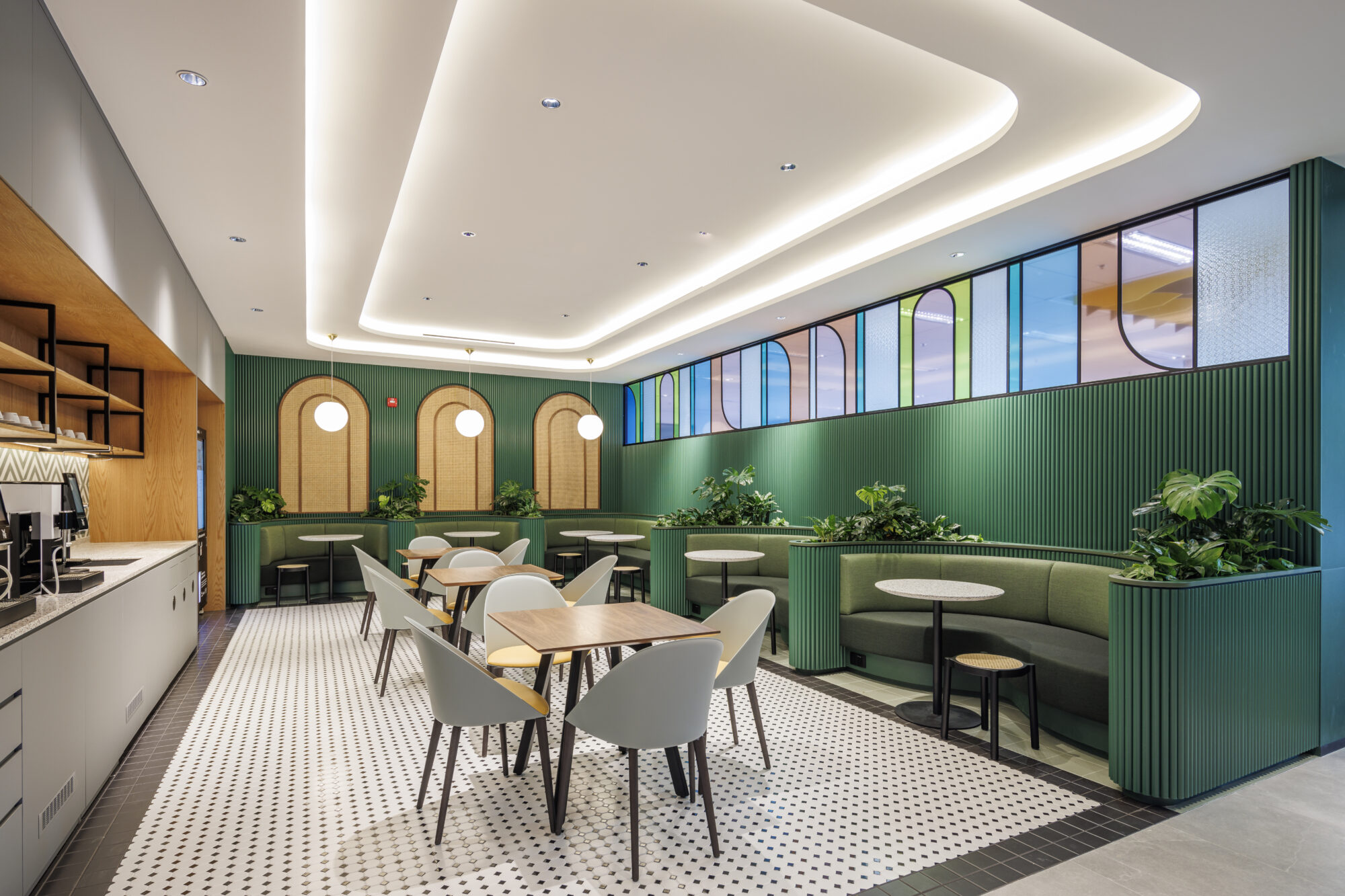
Insurance sector workplaces prioritize features including secure infrastructure with access controls and data protection for confidential client and underwriting information, professional aesthetic reflecting institutional brand standards and client confidence, collaborative spaces supporting cross-functional risk assessment and underwriting teams, flexible meeting facilities accommodating client presentations and stakeholder discussions, advanced technology infrastructure supporting sophisticated analytics and modeling tools, quiet focus areas for complex analysis and policy review, premium CBD location with excellent connectivity supporting client accessibility, sustainability credentials demonstrating environmental leadership increasingly important for corporate clients, and quality amenities including premium pantries and wellness facilities supporting employee satisfaction. Singapore insurance professionals (typical age 28-45, university-educated, earning SGD 80,000-250,000 annually) have high workplace expectations shaped by competitive employment market. Companies investing in Grade A sustainable spaces experience 25-35% faster recruitment, 15-20% lower turnover, and 10-15% higher employee satisfaction scores. Optimal insurance office investment ranges SGD 200-300 per square foot for sustainable fitouts meeting dual certification standards, delivering ROI through talent advantages, operational cost savings, and market positioning supporting premium growth in sustainability-focused corporate client segments.
What are the biggest facility management challenges in Singapore's tropical climate?
Singapore’s primary facility management challenges include managing high humidity (75-85% year-round) and condensation requiring constant dehumidification, accelerated material degradation from intense UV exposure (UV index 11-12), continuous HVAC operation requirements consuming 60-70% of building energy, frequent maintenance needs due to 24/7 system operation, mould prevention requiring vigilant moisture control, rapid corrosion of metal components in humid conditions, and cooling tower legionella risks. These climate factors increase maintenance frequency 30-40% compared to temperate climates and demand specialised expertise in tropical building systems. Effective management requires preventive maintenance schedules (quarterly HVAC servicing versus semi-annual in temperate climates), material specifications for tropical durability (marine-grade metals, mould-resistant finishes), continuous building management system monitoring, enhanced indoor air quality programs, and higher facility management budgets (SGD 8-12 per square foot annually versus SGD 5-8 in temperate climates). Proactive tropical climate management prevents larger problems and supports long-term asset value in Singapore’s premium commercial real estate market.
How does sustainable workplace design impact insurance company talent attraction in Singapore?
Sustainable workplace design significantly influences insurance sector talent attraction through direct environmental benefits including improved indoor air quality (30-40% better in Green Mark/LEED spaces) reducing sick days and improving productivity, superior thermal comfort through high-performance HVAC systems, enhanced natural lighting reducing eye strain and supporting circadian rhythms, and lower noise levels from better acoustic design. Beyond physical benefits, 68% of Singapore professionals under 35 report workplace sustainability credentials influence employment decisions, with 42% willing to accept 5-8% lower compensation for employers demonstrating authentic environmental commitment. For insurance companies, sustainable workspace demonstrates alignment between corporate sustainability messaging and operational practices—critical authenticity factor as younger professionals increasingly scrutinize corporate environmental claims. Companies occupying Green Mark Platinum or LEED Gold+ spaces report 25-30% stronger employer brand perception, 15-20% faster recruitment for mid-senior positions, and 12-18% lower voluntary turnover rates. In Singapore’s tight insurance employment market (unemployment consistently below 2.5%, specialized roles like actuaries and underwriters in high demand), workplace quality serves as key differentiator when candidates evaluate competing offers. Investment in sustainable workspace (20-30% premium over conventional fitouts) delivers measurable talent ROI complementing broader talent value proposition including compensation, career development, and organizational culture.