

Workplace Wellness in Hong Kong: Standards, Certifications & Best Practices.
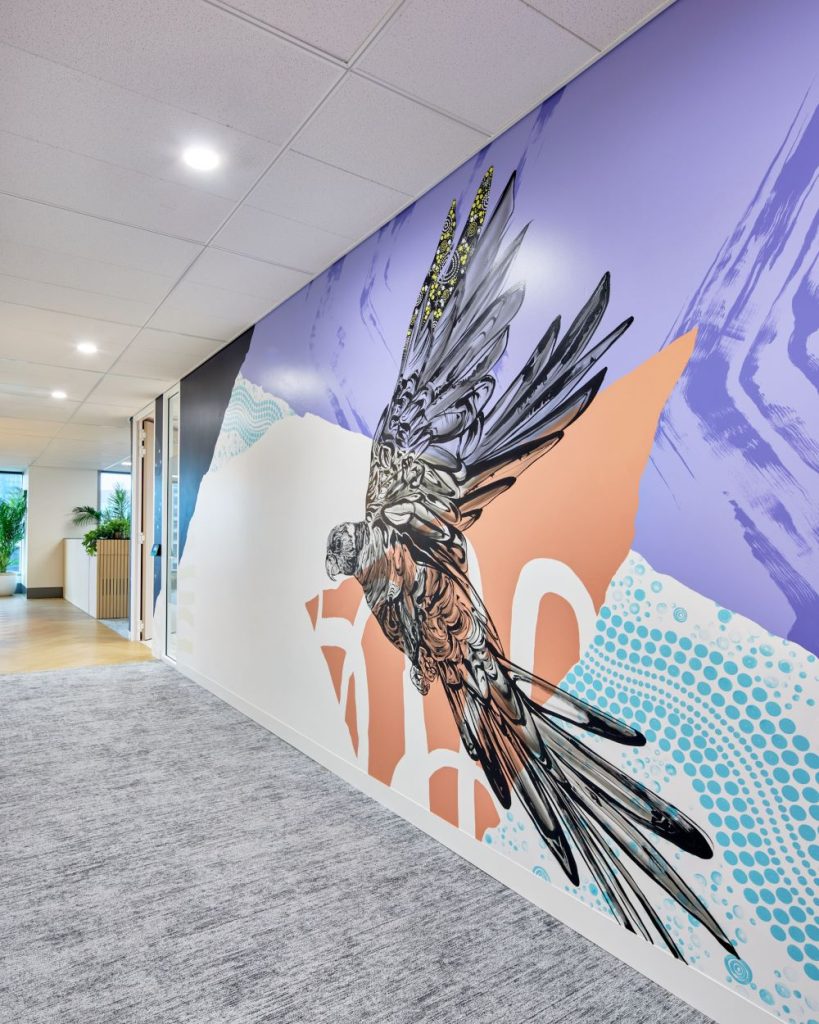
The modern workplace has evolved from a mere space to work into an environment that actively supports employee health, productivity, and overall wellbeing. In Hong Kong’s competitive commercial real estate market, workplace wellness has become a strategic priority for forward-thinking organizations seeking to attract and retain talent while demonstrating corporate responsibility.
Understanding workplace wellness certifications like WELL Building Standard and BEAM Plus—alongside implementing evidence-based design strategies—enables companies to create healthier, more productive environments that deliver measurable returns on investment.
Understanding Workplace Wellness Standards in Hong Kong
Workplace wellness encompasses far more than ergonomic furniture or standing desks. It represents a comprehensive approach to creating environments that support physical health, mental wellbeing, and organizational productivity. In Hong Kong, where employees often spend upwards of 10-12 hours per day in office environments, the quality of the workspace directly impacts both individual health outcomes and business performance.
The Business Case for Workplace Wellness
Organizations investing in workplace wellness initiatives consistently demonstrate improved business metrics. Research shows that comprehensive wellness programs reduce absenteeism by up to 25% while increasing employee productivity by 11% on average. In Hong Kong’s high-rent commercial districts like Central and Admiralty, where office space commands premium prices exceeding HKD 200 per square foot, maximizing the productivity of every square meter becomes essential.
The financial returns extend beyond productivity gains. Companies with certified wellness spaces report 28% higher employee retention rates and experience significantly reduced healthcare costs. For Hong Kong employers facing talent acquisition challenges in sectors like finance, technology, and professional services, workplace wellness has transformed from a luxury amenity into a competitive necessity.
Key Components of Workplace Wellness
Comprehensive workplace wellness strategies address multiple interconnected dimensions. Air quality management ranks among the most critical factors, particularly in Hong Kong where outdoor PM2.5 levels frequently exceed WHO recommendations. Indoor air quality directly affects cognitive function, with studies demonstrating that poor ventilation can reduce decision-making performance by up to 50%.
Lighting design profoundly impacts circadian rhythms and employee alertness. Access to natural daylight—or high-quality circadian lighting systems—regulates sleep patterns, reduces eye strain, and improves mood. In dense urban environments like Hong Kong where building depths often limit natural light penetration, strategic lighting becomes essential.
Thermal comfort, acoustic management, and biophilic design elements complete the wellness equation. Temperature variations beyond the optimal 20-25°C range measurably reduce productivity, while excessive noise levels in open-plan offices increase stress hormones and impair concentration. Incorporating natural elements through plants, natural materials, and views to greenery connects occupants with nature, reducing stress and improving wellbeing even within Hong Kong’s concrete jungle.
WELL Building Standard: Global Best Practice for Workplace Wellness
The WELL Building Standard, administered by the International WELL Building Institute (IWBI), represents the preeminent certification system focused exclusively on human health and wellbeing in the built environment. Unlike traditional green building standards that primarily address environmental sustainability, WELL centers on occupant experience and health outcomes.
WELL Certification Framework
WELL evaluates buildings across ten comprehensive concepts: Air, Water, Nourishment, Light, Movement, Thermal Comfort, Sound, Materials, Mind, and Community. Each concept contains evidence-based features that address specific aspects of occupant health. The certification system offers four achievement levels—WELL Certified, Silver, Gold, and Platinum—allowing organizations to pursue wellness goals aligned with their priorities and budget.
For Hong Kong workplaces, several WELL concepts prove particularly relevant. The Air concept requires advanced filtration systems, ventilation strategies, and continuous air quality monitoring—critical considerations given Hong Kong’s air pollution challenges. Features mandate specific particle removal efficiency standards and prohibit materials that off-gas harmful volatile organic compounds (VOCs).
The Light concept addresses both natural daylight access and electric lighting quality. Requirements include providing views to the outdoors for a minimum percentage of occupants, controlling glare, and implementing circadian lighting systems that support natural wake-sleep cycles. Given Hong Kong’s limited urban green spaces, the Community concept’s requirements for access to nature and social connection spaces help compensate for the dense built environment.
Implementing WELL in Hong Kong Offices
Achieving WELL certification in Hong Kong requires careful planning and collaboration with WELL Accredited Professionals (WELL APs). The process begins with project registration and determining which features to pursue. Organizations can choose between WELL Certification (pursuing all preconditions plus optional optimizations) or WELL Core (focusing on base building systems with flexibility for tenant fit-outs).
Documentation requirements demand comprehensive data collection. Air quality monitoring must demonstrate ongoing compliance with particulate matter and VOC thresholds. Water quality testing verifies that drinking water meets stringent standards for contaminants. Thermal comfort documentation requires regular temperature and humidity monitoring across the space.
Performance verification occurs through on-site testing and documentation review. An independent WELL Assessor conducts physical inspections, takes measurements, and validates that implemented features meet WELL standards. For Hong Kong projects, common challenges include achieving adequate outdoor air ventilation rates in sealed buildings, providing sufficient natural light in deep floor plates, and managing thermal comfort in spaces with extensive glazing subject to solar heat gain.
Leading Hong Kong organizations have successfully navigated these challenges. CBRE’s Hong Kong office achieved WELL Gold certification, implementing advanced air filtration, comprehensive water treatment, circadian lighting systems, and biophilic design elements. Their experience demonstrates that WELL certification remains achievable even within Hong Kong’s challenging urban context.
BEAM Plus: Hong Kong’s Local Green Building Certification
While WELL focuses exclusively on occupant wellness, BEAM Plus (Building Environmental Assessment Method Plus) represents Hong Kong’s comprehensive green building rating system. Developed and administered by the Hong Kong Green Building Council (HKGBC), BEAM Plus evaluates buildings across multiple sustainability dimensions while incorporating significant wellness considerations.
BEAM Plus Interiors for Workplace Projects
For workplace fit-out and renovation projects, BEAM Plus Interiors (BEAM Plus BI) provides the relevant framework. This rating system assesses interior projects across six categories: Site Aspects, Materials Aspects, Energy Use, Water Use, Indoor Environmental Quality, and Innovations and Additions. Projects earn credits within each category, with total points determining the certification level: Bronze, Silver, Gold, or Platinum.
The Indoor Environmental Quality category most directly addresses workplace wellness, evaluating factors like indoor air quality, thermal comfort, lighting quality, acoustic performance, and occupant control. BEAM Plus BI requires minimum ventilation rates, restricts materials with high VOC emissions, mandates thermal comfort standards, and sets illuminance requirements for different space types.
Unlike WELL’s human-centric focus, BEAM Plus Interiors balances occupant wellness with broader environmental sustainability. The Materials Aspects category emphasizes using locally sourced, recycled, and low-environmental-impact materials. Energy Use credits reward efficient HVAC systems, LED lighting, and renewable energy integration. Water Use credits encourage water-efficient fixtures and greywater recycling systems.
BEAM Plus vs. WELL: Choosing the Right Path
Hong Kong organizations often question whether to pursue BEAM Plus, WELL, or both certifications. The decision depends on project priorities, budget, and stakeholder values. BEAM Plus Interiors typically requires lower upfront investment and aligns with Hong Kong building practices and regulations. The local certification carries strong recognition among Hong Kong developers, tenants, and government agencies.
WELL certification demands more substantial investment—both in advanced building systems and certification fees—but delivers more rigorous wellness outcomes. The detailed requirements and performance verification process ensure that certified spaces genuinely support occupant health. For organizations seeking maximum employee wellbeing benefits or operating in competitive talent markets, WELL’s focused approach justifies the additional investment.
Some leading organizations pursue dual certification, achieving both BEAM Plus and WELL recognition. This strategy demonstrates comprehensive commitment to both environmental sustainability and human wellness. The certifications share numerous overlapping requirements—particularly in indoor environmental quality—allowing efficient documentation and verification processes when pursued together.
Practical Implementation Strategies for Hong Kong Workplaces
Whether pursuing formal certification or implementing wellness best practices independently, several evidence-based strategies deliver significant health and productivity benefits in Hong Kong office environments.
Air Quality Management
Addressing air quality begins with advanced filtration. MERV 13 or higher filters remove fine particulate matter, while activated carbon filters capture VOCs and odors. In Hong Kong’s polluted air environment, filtration represents the first line of defense for indoor air quality. Regular filter maintenance ensures sustained performance—a critical consideration often overlooked in building operations.
Ventilation rates significantly impact air quality and cognitive function. While Hong Kong building codes mandate minimum ventilation, research demonstrates that doubling ventilation rates improves cognitive function scores by 101% on average. When outdoor air quality permits, maximizing fresh air intake delivers measurable productivity benefits that far exceed the marginal energy costs.
Continuous air quality monitoring provides transparency and enables responsive management. Real-time displays showing PM2.5 levels, CO2 concentrations, and VOC readings build occupant confidence while alerting facilities teams to problems requiring attention. Advanced systems automatically adjust ventilation and filtration in response to monitored conditions.
Lighting Design and Daylight Access
Maximizing natural daylight exposure supports circadian rhythms, improves mood, and enhances productivity. In Hong Kong’s dense urban environment, achieving adequate daylight requires careful space planning. Positioning workstations near windows, using glass partitions to allow light penetration deeper into floor plates, and selecting lighter interior finishes that reflect natural light all maximize the benefits of available daylight.
Where natural light proves insufficient, circadian lighting systems that vary color temperature and intensity throughout the day can partially replicate natural light patterns. Cooler, brighter light in morning hours supports alertness and cognitive performance, while warmer, dimmer light in the evening respects natural circadian patterns and prepares the body for rest.
Task lighting provides individual control, allowing occupants to customize their immediate lighting environment. Personal desk lamps, under-cabinet lights, and adjustable workstation fixtures enable employees to achieve optimal lighting for their specific tasks while accommodating individual preferences and visual capabilities.
Biophilic Design Integration
Incorporating nature into workplace design delivers well-documented wellness benefits. Living plant walls, potted plants throughout the office, natural wood finishes, stone elements, and water features connect occupants with nature even within Hong Kong’s urban environment. Research shows that even small amounts of greenery reduce stress, improve air quality, and enhance perceived workspace quality.
Beyond physical natural elements, biophilic design includes patterns, colors, and imagery derived from nature. Nature photography, organic patterns in carpets and textiles, natural color palettes, and curvilinear forms rather than purely rectilinear geometry all contribute to biophilic environments. Views to outdoor greenery—even if limited to small courtyards or rooftop gardens—provide significant psychological benefits.
In Hong Kong’s constrained urban context, rooftop gardens and terraces offer particularly valuable biophilic opportunities. These spaces provide access to fresh air, natural light, and greenery while creating social gathering spaces that support the Community aspects emphasized in wellness frameworks.
Measuring Workplace Wellness Impact
Implementing workplace wellness strategies without measuring outcomes prevents organizations from quantifying returns on investment or identifying opportunities for improvement. Comprehensive measurement frameworks track both environmental metrics and human outcomes.
Environmental Monitoring
Continuous monitoring of key environmental parameters provides objective data on workspace conditions. Air quality sensors track PM2.5, PM10, CO2, VOCs, and other pollutants. Temperature and humidity sensors validate thermal comfort maintenance. Light sensors measure illuminance levels and circadian stimulus. Acoustic monitoring captures sound levels and identifies noise sources requiring mitigation.
Modern building management systems integrate these environmental sensors, creating real-time dashboards that enable responsive management. Automated alerts notify facilities teams when parameters drift outside acceptable ranges, while historical data analytics identify patterns and opportunities for system optimization.
Occupant Satisfaction and Health Metrics
Environmental data alone provides incomplete assessment of wellness program effectiveness. Occupant surveys measure perceived workspace quality, satisfaction with environmental conditions, and self-reported health and wellbeing. Regular pulse surveys track metrics over time, identifying trends and validating that environmental improvements translate into experienced benefits.
Health and productivity metrics quantify business impact. Absenteeism rates, presenteeism (reduced productivity while at work due to health issues), healthcare costs, and employee turnover all reflect workplace wellness program effectiveness. More sophisticated organizations implement productivity assessments, cognitive testing, or activity monitoring to directly measure performance impacts.
Continuous Improvement Processes
Effective workplace wellness programs embrace continuous improvement, using measured data to guide ongoing refinements. Post-occupancy evaluations conducted 6-12 months after implementing changes capture lessons learned and identify adjustment opportunities. A/B testing of different interventions—comparing outcomes between floors, zones, or pilot groups—enables evidence-based decision-making about which strategies deliver the greatest impact.
Engaging occupants in the improvement process builds buy-in and generates valuable insights. Wellness committees representing diverse employee perspectives provide feedback, suggest improvements, and champion wellness initiatives across the organization. Regular town halls or workplace tours demonstrate leadership commitment while educating employees about available wellness features and how to maximize their benefits.
The Future of Workplace Wellness in Hong Kong
Workplace wellness continues evolving, driven by emerging research, technological capabilities, and shifting employee expectations. Several trends will shape Hong Kong workplaces in coming years.
Smart building technologies enable increasingly sophisticated environmental management. Machine learning algorithms optimize HVAC operations for both wellness and energy efficiency. Occupancy sensors trigger zone-based ventilation, lighting, and temperature adjustments. Personal environmental controls via smartphone apps allow individual customization within centrally managed parameters.
Integration of wellness and flexibility reflects post-pandemic work patterns. Hybrid work models require workplaces that support both focused individual work and collaborative team activities. Activity-based working environments provide diverse space types optimized for different tasks and work styles, with wellness considerations embedded throughout. Reservation systems and sensor networks enable data-driven space utilization optimization.
Mental health and social connection receive growing emphasis alongside physical health factors. Dedicated quiet rooms, meditation spaces, and wellness rooms support mental health needs. Social gathering spaces, both indoor and outdoor, facilitate community building. Programming around wellness—fitness classes, mindfulness sessions, healthy eating education—complements physical environmental features.
Frequently Asked Questions
What is workplace wellness and why does it matter in Hong Kong?
Workplace wellness refers to comprehensive strategies and environmental features that support employee physical health, mental wellbeing, and productivity. In Hong Kong’s competitive business environment where office space costs exceed HKD 200 per square foot in premium locations, workplace wellness delivers measurable returns through reduced absenteeism (up to 25% reduction), increased productivity (11% improvement on average), and better talent retention (28% higher retention rates). Given that employees spend 10-12 hours daily in office environments, workspace quality directly impacts both individual health outcomes and organizational performance, making wellness a strategic business priority rather than merely an amenity.
What is the difference between WELL certification and BEAM Plus in Hong Kong?
WELL Building Standard focuses exclusively on occupant health and wellbeing across ten concepts including Air, Water, Light, Thermal Comfort, and Mind, requiring rigorous performance verification through on-site testing. BEAM Plus Interiors (BEAM Plus BI) represents Hong Kong’s comprehensive green building certification that balances occupant wellness with broader environmental sustainability, evaluating indoor environmental quality alongside energy use, water efficiency, and materials selection. WELL typically requires higher investment but delivers more focused wellness outcomes, while BEAM Plus aligns more closely with Hong Kong building practices and carries strong local recognition. Many leading organizations pursue both certifications to demonstrate comprehensive commitment to sustainability and human health.
How much does WELL certification cost for a Hong Kong office?
WELL certification costs in Hong Kong vary significantly based on project size, complexity, and targeted achievement level. Registration fees start around USD 2,500 for projects under 10,000 square feet, with performance verification fees adding USD 8,000-15,000 depending on project size. Beyond certification fees, implementation costs for advanced air filtration systems, water treatment, circadian lighting, and other wellness features typically range from HKD 50-150 per square foot for comprehensive retrofits, though new construction projects can integrate features more cost-effectively. Organizations should budget 6-12 months for the certification process and work with WELL Accredited Professionals to optimize feature selection and documentation strategies for their specific priorities and budget constraints.
What are the key indoor air quality challenges in Hong Kong offices?
Hong Kong offices face three primary air quality challenges: outdoor air pollution infiltration from PM2.5 levels that frequently exceed WHO recommendations, off-gassing of volatile organic compounds (VOCs) from building materials and furnishings, and inadequate ventilation in sealed buildings optimized for energy efficiency. These challenges directly impact cognitive function, with poor air quality reducing decision-making performance by up to 50%. Effective solutions include MERV 13 or higher filtration to remove particulate matter, activated carbon filtration for VOCs, selecting low-emission materials and furnishings, and increasing ventilation rates beyond code minimums when outdoor conditions permit. Continuous air quality monitoring provides transparency and enables responsive management to maintain healthy indoor environments despite challenging outdoor conditions.
How does natural lighting affect productivity in Hong Kong workplaces?
Natural daylight profoundly impacts productivity, circadian rhythms, and employee wellbeing through multiple mechanisms. Access to natural light regulates circadian rhythms that control sleep-wake cycles, hormone production, and alertness patterns, with studies showing that employees with window access sleep an average of 46 minutes more per night and report 51% less eyestrain. Natural light also reduces electric lighting energy costs while improving mood and vitamin D synthesis. In Hong Kong’s dense urban environment where building depths often limit daylight penetration, strategic space planning becomes essential—positioning workstations near windows, using glass partitions rather than opaque walls, selecting lighter interior finishes, and supplementing with circadian lighting systems that replicate natural light patterns throughout the day when adequate natural daylight proves unavailable.
What is biophilic design and why is it important for Hong Kong offices?
Biophilic design incorporates natural elements and patterns into built environments, connecting occupants with nature even within dense urban settings like Hong Kong. Research demonstrates that biophilic workplaces reduce stress by 15%, improve wellbeing by 15%, and increase productivity by 6% while lowering absenteeism. Implementation strategies include living plant walls and distributed greenery, natural materials like wood and stone, water features providing white noise and visual interest, nature imagery and organic patterns, natural color palettes, and views to outdoor greenery or rooftop gardens. In Hong Kong where most employees have limited access to natural environments, workplace biophilic design becomes particularly valuable for supporting mental health and creating restorative environments that counterbalance urban density stress.
How can Hong Kong companies measure ROI of workplace wellness investments?
Measuring workplace wellness ROI requires tracking both environmental metrics and human outcomes across multiple dimensions. Key performance indicators include absenteeism rates (target 25% reduction), employee retention and turnover costs (target 28% improvement), healthcare and insurance costs, productivity metrics through cognitive testing or performance assessments, and employee engagement scores. Environmental monitoring data validates that implemented systems maintain target air quality, lighting levels, thermal comfort, and acoustic conditions. Post-occupancy evaluation surveys measure perceived workspace quality and satisfaction. Leading organizations also track talent acquisition metrics like time-to-fill positions and offer acceptance rates, as workplace quality increasingly influences candidate decisions in Hong Kong’s competitive employment market. Comprehensive measurement typically demonstrates 3-5 year payback periods for wellness investments.
What are the most important wellness features for Hong Kong office fit-outs?
Priority wellness features for Hong Kong offices depend on budget and existing conditions, but high-impact investments include advanced air filtration systems with MERV 13+ filters to address Hong Kong’s air pollution, adequate ventilation exceeding code minimums for cognitive function, maximize natural daylight access through strategic space planning and glass partitions, circadian lighting systems where natural light proves insufficient, thermal comfort management maintaining 20-25°C temperatures, acoustic treatments for noise reduction in open-plan spaces, and biophilic elements including plants and natural materials. Even modest budgets can achieve meaningful improvements—adding plants, improving lighting, and providing personal environmental controls deliver measurable benefits. Organizations pursuing formal certification should engage WELL APs or BEAM Pros early in the design process to optimize feature selection and integration strategies for their specific context and priorities.
Can existing Hong Kong offices retrofit for WELL or BEAM Plus certification?
Existing Hong Kong offices can successfully achieve WELL or BEAM Plus certification through strategic retrofits, though challenges and costs vary based on building systems and constraints. WELL Core or BEAM Plus Existing Buildings ratings accommodate retrofit projects with frameworks that recognize existing building limitations. Key retrofit strategies include upgrading to high-efficiency air filtration, implementing water treatment systems, installing circadian lighting or improving natural light access, improving acoustic treatments, adding biophilic elements, and establishing continuous environmental monitoring. While some WELL features require base building mechanical system upgrades that may prove cost-prohibitive in older buildings, many organizations achieve Silver or Gold certification through tenant-controlled improvements. Working with experienced consultants helps identify the most cost-effective path to certification based on existing conditions and landlord cooperation possibilities.
Partner with Workplace Wellness Experts
Creating workplace environments that genuinely support employee health and organizational performance requires specialized expertise combining building science, wellness research, and project management capabilities. From initial strategy development through design, construction, certification, and post-occupancy optimization, comprehensive workplace wellness initiatives involve numerous specialized disciplines and stakeholders.
Organizations pursuing WELL certification, BEAM Plus recognition, or implementing evidence-based wellness strategies benefit from partnering with experienced independent project managers who bring objective guidance, technical expertise, and cross-disciplinary coordination capabilities. An independent approach ensures that wellness strategies align with organizational priorities rather than vendor interests, while comprehensive project management keeps complex initiatives on schedule and within budget.
Whether retrofitting existing space or planning new workplace environments, beginning with clear wellness goals and comprehensive assessment of opportunities and constraints creates the foundation for successful outcomes. Understanding certification requirements early in the design process enables cost-effective integration of wellness features, avoiding expensive retrofits later. Engaging occupants throughout the process builds buy-in and generates valuable insights that improve final outcomes.
Workplace wellness represents a journey rather than a destination—an ongoing commitment to creating environments where people thrive. In Hong Kong’s dynamic business environment, organizations that prioritize employee wellbeing through thoughtfully designed, rigorously verified wellness strategies position themselves for sustained competitive advantage, attracting top talent while maximizing the productivity of every square foot in one of the world’s most expensive real estate markets.


