

Singapore CBD Office Space: Maximising ROI Through Strategic Design.
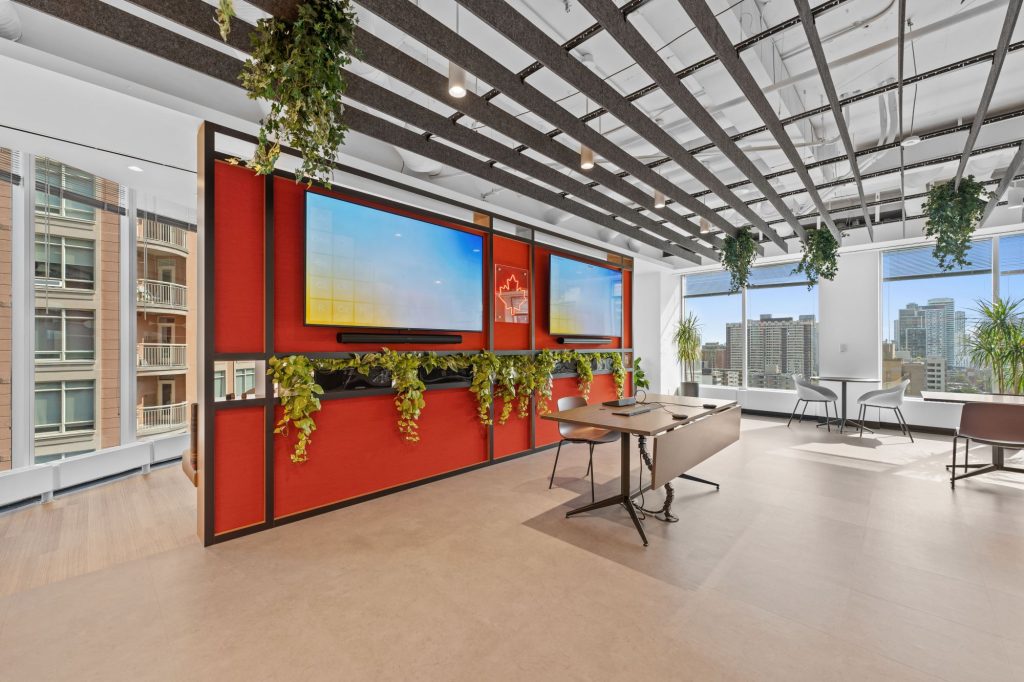
Singapore’s Central Business District represents one of Asia Pacific’s most competitive and expensive commercial real estate markets, with premium office space commanding SGD 10-16 per square foot monthly in prime locations. For organisations occupying Singapore CBD office space, maximising return on investment through strategic workplace design proves essential to justify substantial real estate expenditure whilst supporting business objectives. The convergence of rising rental costs, evolving work practices, and heightened competition for talent demands sophisticated approaches to space planning, design, and operational management.
Understanding the financial dynamics of Singapore CBD office space enables organisations to make evidence-based decisions optimising both cost efficiency and workplace effectiveness. This comprehensive guide examines strategies for maximising ROI on commercial property in Singapore, analysing market trends, space efficiency methodologies, design investments, and operational optimisation approaches. Whether occupying Grade A towers in Raffles Place, Marina Bay Financial Centre, or emerging business districts, organisations can substantially improve return on real estate investment through strategic workplace planning.
The Singapore office market’s unique characteristics—limited land availability driving premium pricing, sophisticated tenant expectations, stringent regulatory requirements, and intense competition for top talent—create both challenges and opportunities for workplace strategy. Organisations approaching office space as strategic asset rather than operational expense consistently achieve superior business outcomes whilst controlling real estate costs.
Singapore CBD Office Market Overview and Trends
Current Market Dynamics and Rental Trends
Singapore’s CBD office market demonstrated remarkable resilience through recent economic cycles, with Grade A office rental rates ranging from SGD 10-16 per square foot monthly in prime locations as of 2026. The market divides into distinct sub-markets: Core CBD (Raffles Place, Shenton Way, Robinson Road) commanding SGD 12-16 per square foot for premium buildings, Marina Bay Financial Centre achieving SGD 11-14 per square foot with newer stock and excellent connectivity, Tanjong Pagar emerging as growth area with SGD 10-13 per square foot attracting technology and creative industries, and Paya Lebar Quarter representing suburban alternative at SGD 8-11 per square foot with superior transport access.
Recent trends indicate strengthening demand from financial services, professional services, and technology sectors, with limited new supply supporting stable rental trajectories. Vacancy rates in Grade A CBD buildings remain below 5% in most prime locations, indicating tight market conditions favouring landlords. Organisations seeking CBD office space should anticipate continued rental pressure, making space efficiency and strategic planning increasingly critical to controlling occupancy costs.
Lease structures in Singapore CBD typically involve 3-year terms with options for renewal, base rent plus service charges (typically SGD 4-6 per square foot covering building management, air-conditioning, utilities), security deposits equal to 3-6 months rent, and fit-out contributions from landlords (typically 1-3 months rent for quality tenants on longer leases). Understanding total occupancy costs beyond base rent proves essential for accurate financial planning.
Space Efficiency and Utilisation Benchmarks
Singapore CBD offices typically allocate 80-120 square feet per employee, significantly lower than US or European markets reflecting higher real estate costs and cultural acceptance of denser configurations. However, space efficiency metrics vary substantially by industry: financial services typically maintain 90-110 square feet per person with higher ratios for trading floors and client-facing areas, professional services (legal, consulting, accounting) average 80-100 square feet per person balancing private offices with open areas, technology companies often achieve 70-90 square feet per person through open plan layouts and activity-based working, and creative industries (advertising, design, media) target 75-95 square feet per person with diverse work settings.
Space utilisation studies across Singapore offices reveal average occupancy rates of 40-60% throughout typical workdays, with significant variation by time, department, and work type. Meeting rooms show 30-50% utilisation despite consuming 15-20% of total space, whilst dedicated desks remain vacant 30-40% of time as employees attend meetings, work offsite, or take leave. These utilisation patterns indicate substantial opportunities for space optimisation through workplace strategies including activity-based working, hot-desking, and workplace sharing arrangements.
Leading organisations increasingly implement workplace analytics using sensor technologies, Wi-Fi data, and booking systems to measure actual utilisation patterns informing space planning decisions. This data-driven approach enables evidence-based optimisation rather than relying on assumptions or industry benchmarks that may not reflect specific organisational contexts.
Comparative Analysis: CBD vs Suburban Locations
Whilst CBD locations command premium pricing, they offer distinct advantages justifying higher costs for many organisations. Key CBD advantages include prestige addressing supporting corporate brand and client perception, superior public transport connectivity with direct MRT access reducing employee commute times, extensive amenities within walking distance including F&B, retail, and professional services, proximity to clients, partners, and professional networks enabling face-to-face interaction, and access to broader talent pool attracted to central locations.
Suburban alternatives including Paya Lebar Quarter, Mapletree Business City, and one-north offer compelling value propositions with rental savings of 30-40% compared to prime CBD, newer buildings with contemporary specifications and amenities, adequate car parking supporting employees driving to work, and growing commercial ecosystems attracting complementary businesses. Technology companies, regional headquarters, and back-office functions increasingly favour suburban locations, whilst client-facing organisations, financial services, and professional services maintain CBD presence.
Total cost of occupation analysis should consider not only rent differentials but also recruitment impacts (CBD locations typically attract broader candidate pools), productivity implications (commute times affecting employee satisfaction and working hours), and business development opportunities (proximity to clients and partners enabling spontaneous interaction). For many organisations, CBD premium proves justified by business benefits exceeding incremental real estate costs.
Financial Framework for Office Space ROI Analysis
Comprehensive Cost Structure Analysis
Accurate ROI analysis requires comprehensive understanding of total occupancy costs beyond base rent. A typical Singapore CBD office occupying 10,000 square feet with 100 employees faces annual costs including base rent (SGD 10-16 per square foot monthly = SGD 1.2-1.92 million annually), service charges (SGD 4-6 per square foot monthly = SGD 480,000-720,000 annually), fit-out amortisation (SGD 120-200 per square foot capital cost amortised over 5-7 year lease = SGD 170,000-400,000 annually), furniture and equipment (SGD 15,000-30,000 per employee amortised over 5 years = SGD 300,000-600,000 annually), and operational costs including pantry supplies, cleaning, maintenance, and technology (SGD 50,000-100,000 annually).
Total annual occupancy costs therefore range from SGD 2.2-3.74 million, translating to SGD 22,000-37,400 per employee annually. This substantial investment demands strategic management to ensure proportionate business value. Organisations spending above SGD 30,000 per employee annually should critically evaluate whether current space configurations deliver adequate return or whether optimisation opportunities exist.
Activity-based costing methodologies allocate occupancy costs to specific functions enabling visibility into space cost-effectiveness. For example, meeting rooms consuming 15% of space but supporting only 30% utilisation represent poor capital allocation, whilst collaborative spaces achieving 65% utilisation with high user satisfaction demonstrate efficient investment.
ROI Calculation Methodologies
Multiple methodologies quantify office space ROI, each illuminating different value dimensions. The cost efficiency approach calculates cost per employee and cost per square foot, comparing against industry benchmarks and historical performance. Reductions in these metrics whilst maintaining or improving employee satisfaction and productivity demonstrate positive ROI. For example, space optimisation reducing occupancy from 100 to 85 square feet per employee saves SGD 180,000-288,000 annually in rent alone for 100-person office, achieving payback on fit-out investment within 4-6 years.
The productivity value methodology quantifies employee productivity improvements attributable to workplace quality. Research demonstrates that well-designed offices improve productivity by 5-10% through factors including better lighting, acoustic privacy, collaboration space quality, and amenity access. For an organisation with 100 employees averaging SGD 80,000 annual total compensation, a 5% productivity improvement represents SGD 400,000 annual value—substantially exceeding typical annual occupancy costs. Even if only 50% of this improvement is captured through increased output or reduced staffing requirements, the value justifies significant workplace investment.
The talent management approach quantifies recruitment and retention benefits from premium workplace quality. Singapore’s tight labour market makes talent acquisition and retention increasingly challenging, with typical recruitment costs reaching 20-30% of annual salary and replacement costs for voluntary turnover reaching 50-150% of annual salary. Workplace quality significantly influences employment decisions, with studies showing 73% of professionals consider office environment in job selection. Organisations improving workplace quality to reduce voluntary turnover by 2-3 percentage points save SGD 80,000-240,000 annually for 100-person teams—another substantial return justifying workplace investment.
Benchmarking Against Industry Standards
Comparative benchmarking provides context for ROI assessment, identifying opportunities for improvement relative to peer organisations. Key benchmarking metrics include total occupancy cost per employee (Singapore CBD averages SGD 22,000-37,000 annually), space allocation per employee (averaging 80-120 square feet), utilisation rates (40-60% average occupancy), and employee satisfaction scores (typically 60-75% reporting satisfaction with workplace).
Organisations substantially exceeding benchmark costs without proportionate benefits should investigate optimisation opportunities. Conversely, organisations achieving below-benchmark costs whilst maintaining high satisfaction and productivity demonstrate efficient workplace management. However, excessive cost focus risks undermining workplace quality with negative productivity and talent impacts outweighing rental savings.
Industry-specific benchmarks provide more relevant comparisons than general market data. Financial services firms typically accept higher costs per employee reflecting client-facing requirements and regulatory considerations, whilst technology companies prioritise employee density and collaborative space over individual space allocation. Organisations should compare against appropriate peer groups when evaluating relative performance.
Space Optimisation Strategies for Singapore CBD Offices
Activity-Based Working (ABW) Implementation
Activity-based working represents the most impactful strategy for optimising Singapore CBD office space whilst enhancing workplace effectiveness. ABW provides diverse work settings supporting different activities including focus work (individual concentration requiring acoustic privacy and minimal distraction), collaborative work (team interaction requiring technology support and appropriate acoustics), social interaction (informal connection building workplace relationships), learning and development (knowledge sharing and skill building), and contemplation (strategic thinking and problem-solving requiring calm environments).
Traditional office layouts allocate 60-70% of space to individual workstations (desk and chair), 15-20% to meeting rooms, 10-15% to support spaces (pantries, copy areas, storage), and minimal allocation to diverse work settings. ABW redistributes space providing 40-50% individual work settings (including assigned desks, touchdown spaces, focus rooms), 25-30% collaboration settings (project rooms, team zones, informal meeting areas), 10-15% social and amenity spaces (cafés, lounges, outdoor terraces), 10-15% meeting and presentation spaces (formal meeting rooms, presentation theatres, videoconference suites), and 5-10% support spaces (printers, storage, wellness rooms).
This redistribution typically reduces total space requirements by 15-30% whilst maintaining or improving employee satisfaction through greater choice and setting variety. For a 10,000 square foot office, ABW implementation might enable density increase from 100 employees (100 square feet per person) to 120 employees (83 square feet per person), reducing per-employee occupancy costs by 17% whilst deferring expansion requirements and associated fit-out expenditure.
Hot-Desking and Workplace Sharing Arrangements
Hot-desking eliminates assigned seating, enabling multiple employees to share work settings throughout days and weeks. This approach proves particularly effective for organisations with high mobility (employees regularly travelling, working offsite, or attending meetings), flexible work policies enabling remote work several days weekly, and project-based workflows requiring team reconfiguration. Hot-desking typically achieves desk-to-employee ratios of 0.6-0.8:1 (60-80 desks per 100 employees) compared to traditional 1:1 ratios, reducing space requirements by 20-40%.
However, hot-desking succeeds only with proper implementation including comprehensive booking systems enabling workspace reservation, adequate variety accommodating diverse work needs, sufficient touchdown spaces preventing overcrowding during peak attendance, appropriate storage solutions for personal items (lockers or personal caddies), and cultural change management supporting adoption. Poorly implemented hot-desking generates employee frustration, reduced productivity, and organisational resistance undermining intended benefits.
Workplace sharing arrangements extend hot-desking principles across different employee groups or organisations. For example, sales teams predominantly working with clients might share space with customer service teams working primarily from office, achieving combined 0.7:1 ratio rather than two separate 1:1 ratios. Such arrangements require sophisticated scheduling and space management but substantially reduce total space requirements.
Meeting Room Optimisation
Meeting rooms consistently show poor utilisation despite consuming 15-20% of total office space. Optimisation strategies include right-sizing room mix to match actual booking patterns (most organisations overinvest in large 10-12 person rooms showing 25% utilisation whilst 2-4 person rooms achieve 75% utilisation and face booking shortages), implementing effective booking systems with no-show policies reducing blocked-but-unused time, converting some meeting rooms to flexible spaces supporting both formal meetings and informal collaboration, providing excellent meeting room technology reducing setup time and improving user experience, and encouraging alternative collaboration in open spaces for appropriate interactions.
Data-driven meeting room analysis using booking system data and occupancy sensors identifies specific optimisation opportunities. Many organisations discover they can eliminate 20-30% of meeting room square footage through evidence-based right-sizing and policy changes whilst improving meeting space availability for employees.
Flexible Lease Strategies and Subleasing
In dynamic business environments, space requirements fluctuate with business cycles, project workloads, and strategic initiatives. Flexible lease strategies reduce financial risk whilst maintaining operational flexibility through shorter lease terms (accepting slight rental premiums for 2-year terms rather than standard 3-5 year leases providing exit flexibility), expansion and contraction options written into lease agreements enabling space adjustments at predetermined intervals, sublease rights enabling partial space monetisation during underutilisation periods, and coworking spaces supplementing permanent space for temporary capacity or project requirements.
Singapore’s mature commercial real estate market offers various flexibility mechanisms, though landlords in tight markets maintain negotiating advantage. Organisations should clearly articulate flexibility requirements during lease negotiations, accepting slight premium pricing for valuable optionality.
Strategic Design Investments Maximising ROI
Lighting Quality and Energy Efficiency
Lighting significantly impacts both employee productivity and operational costs, making it high-priority investment for ROI-focused workplace strategies. Quality lighting design provides adequate illumination levels (minimum 500 lux on horizontal work surfaces in Singapore standards, though 750 lux increasingly recommended for detailed work), appropriate colour temperature supporting circadian rhythms and alertness (4000-5000K in work areas, 2700-3000K in relaxation spaces), glare control preventing discomfort and visual fatigue through proper fixture selection and placement, and daylight integration maximising natural light whilst avoiding solar heat gain.
LED lighting systems achieving 80-100 lux/W/m² efficacy reduce energy consumption by 40-60% compared to older fluorescent systems, generating annual savings of SGD 15,000-25,000 for 10,000 square foot offices. With LED system costs of SGD 200,000-300,000 fully installed, payback periods reach 8-15 years on energy savings alone. However, productivity improvements from better lighting quality—conservatively estimated at 2-5%—represent far greater value than energy savings. A 2% productivity improvement worth SGD 160,000 annually (for 100 employees at SGD 80,000 average compensation) justifies lighting investment within 1-2 years.
Advanced lighting controls including occupancy sensors, daylight sensors, and personal controls enhance both energy efficiency and user satisfaction. Whilst adding 30-50% to initial lighting costs, these systems improve payback through deeper energy savings and superior employee experience.
Acoustic Design and Privacy Solutions
Acoustic comfort ranks among top workplace satisfaction drivers, yet many Singapore CBD offices underinvest in acoustic design despite substantial ROI. Poor acoustics reduce productivity through distraction, impede confidential conversations, and generate employee frustration. Strategic acoustic investment includes sound-absorbing ceiling tiles achieving minimum NRC 0.70 (Noise Reduction Coefficient) rather than cost-focused NRC 0.50 options, acoustic wall treatments in high-traffic corridors and collaborative areas, white noise or sound masking systems creating even acoustic baseline, enclosed focus rooms and quiet zones for concentration work, properly designed meeting rooms with adequate speech privacy, and acoustic screens or plants providing visual and acoustic separation in open areas.
Comprehensive acoustic design adds SGD 15-30 per square foot to fit-out costs (SGD 150,000-300,000 for 10,000 square foot office), representing 8-15% premium over baseline construction. However, studies demonstrate acoustic improvements increase productivity by 3-8% through reduced distraction and enhanced concentration. Even 3% productivity improvement (SGD 240,000 annual value for 100 employees) justifies acoustic investment within 1-2 years, making it among highest ROI workplace interventions.
Workplace Technology Infrastructure
Modern workplace technology enables flexible work arrangements, collaboration, and operational efficiency. Strategic technology investments include comprehensive Wi-Fi coverage achieving minimum -67 dBm signal strength throughout (enabling reliable connectivity anywhere in office), high-quality videoconferencing systems in meeting rooms enabling seamless virtual collaboration, booking systems for meeting rooms and work settings improving space utilisation, digital displays throughout office for wayfinding, communications, and data visualisation, robust structured cabling supporting current and future requirements, and workplace management platforms integrating various systems and providing analytics.
Technology infrastructure represents 8-12% of total fit-out costs (SGD 80,000-180,000 for 10,000 square foot office with 100 employees). ROI manifests through improved collaboration quality (particularly important for organisations with global operations), space utilisation optimisation (booking systems reducing unused-but-reserved space), operational efficiency (automated systems reducing manual administration), and support for flexible work policies (enabling hybrid work arrangements reducing total space requirements). Many organisations find technology investment enables space reduction offsetting technology costs through rental savings within 2-3 years.
Biophilic Design and Wellness Features
Biophilic design incorporating natural elements and wellness features demonstrates strong ROI through health, productivity, and retention benefits. Strategic biophilic interventions include abundant plantings throughout office (interior landscaping, living walls, individual desk plants), natural materials in finishes (timber flooring and cladding, stone surfaces, natural fabrics), views to nature and daylight access maximising connection to outdoor environment, water features creating calming ambient sound, natural colour palettes and organic patterns, outdoor terraces and balconies for breaks and informal work, and wellness amenities including fitness facilities, quiet rooms, and ergonomic furniture.
Biophilic design adds 5-10% to baseline fit-out costs (SGD 60,000-200,000 for 10,000 square foot office) depending on feature extent. Research demonstrates biophilic workplaces improve productivity by 4-8%, reduce sick leave by 2-3 days annually per employee, and improve employee satisfaction by 15-20%. For 100-person organisation, productivity and health benefits total SGD 400,000-700,000 annually, justifying biophilic investment within 3-6 months—among fastest payback workplace interventions.
Operational Strategies Enhancing Office Space ROI
Workplace Utilisation Analytics
Data-driven workplace management requires comprehensive utilisation analytics measuring actual space usage patterns informing optimisation decisions. Analytics approaches include sensor-based monitoring using passive infrared or computer vision systems measuring occupancy by space type and time, Wi-Fi analytics tracking device connections as proxy for presence, booking system analysis evaluating scheduled versus actual meeting room usage, employee surveys capturing qualitative experience alongside quantitative utilisation, and time-use studies documenting how employees allocate time across various activities and settings.
Analytics platforms aggregate these data sources providing dashboards and reports supporting decision-making. Key metrics include average utilisation by space type (workstations typically 40-60%, meeting rooms 30-50%, collaborative spaces 50-70%), peak utilisation periods identifying capacity constraints, dwell time analysis showing how long employees occupy specific settings, and circulation patterns revealing movement flows and popular areas.
Organisations implementing comprehensive analytics typically identify space optimisation opportunities worth 15-25% of occupied square footage—substantial savings given Singapore CBD rental costs. Analytics investment of SGD 30,000-80,000 (sensors, platforms, consulting) produces payback within 6-12 months through rental savings from space reduction or deferral of expansion requirements.
Workplace Policies Supporting Space Efficiency
Physical space design alone cannot maximise ROI without supportive workplace policies and cultural practices. Effective policies include clean desk policies requiring personal items be stored overnight enabling workspace sharing, flexible work arrangements allowing employees to work remotely several days weekly reducing peak occupancy, booking policies for meeting rooms including no-show penalties and maximum booking horizons preventing hoarding, equipment and storage rationalisation reducing filing cabinets and personal storage enabling denser configurations, and workplace etiquette guidelines governing appropriate space usage (taking calls in enclosed spaces, respecting quiet zones, cleaning up after using shared spaces).
Policy implementation requires cultural change management including comprehensive communication explaining rationale and benefits, employee involvement in policy development ensuring practical approaches, consistent leadership role-modelling demonstrating commitment, and responsive feedback mechanisms adjusting policies based on employee input. Policies imposed without proper change management generate resistance undermining workplace effectiveness.
Lease Negotiation Strategies
Skilled lease negotiation substantially impacts long-term occupancy costs and operational flexibility. Key negotiation elements include rental rates and escalation (understanding market position and negotiating competitive rates with reasonable escalation provisions typically 2-3% annually), fit-out contributions from landlords (negotiating 1-3 months rent for quality tenants on 3+ year leases), rent-free periods enabling fit-out execution without double rent burden (typically 2-3 months for substantial fit-outs), lease terms and options (securing appropriate tenure with renewal options at predetermined rates), subleasing and assignment rights providing flexibility for business changes, and landlord service standards specifying building management, air-conditioning, and maintenance quality.
Professional lease negotiation advisors or tenant representatives often justify fees through rental savings and improved lease terms. For 10,000 square foot office, skilled negotiation saving SGD 0.50 per square foot monthly generates SGD 60,000 annual benefit over 3-year lease—far exceeding typical advisory fees of SGD 20,000-40,000.
Case Study: Financial Services Firm CBD Office Optimisation
A regional financial services firm with 180 employees occupied 20,000 square feet in a prime Raffles Place Grade A building at SGD 14 per square foot monthly (SGD 3.36 million annual rent plus SGD 1.2 million service charges). The organisation faced lease expiry and explored options including renewal in existing space, expansion to accommodate projected growth, or relocation to larger premises.
Assessment and Strategy Development
Comprehensive workplace assessment revealed average desk utilisation of 42% due to flexible work policies (employees working offsite 2 days weekly on average), meeting rooms showing 35% utilisation despite occupying 18% of total space, and employee surveys indicating frustration with limited collaborative space and outdated design. Financial analysis showed total occupancy costs of SGD 25,400 per employee annually—at the high end for Singapore financial services firms.
The organisation developed a workplace strategy incorporating activity-based working with diverse settings, meeting room optimisation right-sizing mix to match actual demand, enhanced technology supporting virtual collaboration, and improved amenity spaces including enhanced pantry and informal work areas. The strategy targeted 85 square feet per employee (including projected headcount growth to 200 employees) requiring 17,000 square feet—15% reduction from current space despite 11% headcount increase.
Implementation and Results
The organisation negotiated new lease for 17,000 square feet in the same building at SGD 13.50 per square foot monthly (achieving slight rate reduction through committed 5-year term and reduced space), receiving 3-month rent-free period and SGD 200,000 fit-out contribution from landlord. Fit-out investment totalled SGD 3.1 million (SGD 182 per square foot) including comprehensive technology infrastructure, quality acoustic design, biophilic elements, and varied work settings.
Annual occupancy costs decreased to SGD 3.57 million (SGD 13.50 x 17,000 x 12 months rent + service charges) despite headcount increase—saving SGD 990,000 annually compared to baseline scenario of renewing 20,000 square feet at market rates. Per-employee costs decreased to SGD 17,850—30% reduction whilst accommodating growth and enhancing workplace quality.
Post-occupancy evaluation after 6 months showed employee satisfaction increasing from 58 to 82 (out of 100), space utilisation improving from 42% to 61% through better space variety, voluntary turnover decreasing from 16% to 12% annually (saving estimated SGD 640,000 in replacement costs), and recruitment time-to-fill reducing by 28% due to improved workplace supporting employer brand. The organisation quantified total annual benefit at SGD 2.1 million (rental savings, reduced turnover costs, productivity improvements), achieving ROI payback on fit-out investment within 18 months.
Conclusion: Strategic Approach to Singapore CBD Office ROI
Maximising ROI on Singapore CBD office space requires sophisticated understanding of financial dynamics, space optimisation strategies, design investments, and operational management. The substantial annual occupancy costs in Singapore—typically SGD 22,000-37,000 per employee—demand strategic planning ensuring proportionate business value through productivity gains, talent advantages, and operational efficiency.
Successful organisations approach office space as strategic asset rather than operational expense, investing in workplace quality and design features delivering measurable business benefits. Data-driven space planning using utilisation analytics, activity-based working principles, and evidence-based design creates workplaces achieving 15-30% space efficiency gains whilst improving employee satisfaction and productivity.
High-ROI design investments including quality lighting, acoustic design, biophilic elements, and workplace technology deliver payback periods of 1-3 years through productivity improvements and operational efficiencies. When combined with effective lease negotiation, workplace policies supporting space sharing, and comprehensive utilisation monitoring, these strategies enable organisations to control occupancy costs whilst creating workplaces that attract talent, enhance productivity, and support business objectives.
The Singapore CBD office market’s premium pricing and competitive dynamics reward sophisticated workplace strategies informed by financial analysis, market knowledge, and evidence-based design. Organisations implementing comprehensive ROI-focused workplace approaches consistently achieve superior business outcomes justifying real estate investment through measurable productivity, talent, and operational benefits.
FAQ: Singapore CBD Office Space ROI
What are current rental rates for CBD office space in Singapore?
How many square feet per employee is typical for Singapore CBD offices?
What ROI should organisations expect from office space optimisation?
Should organisations choose CBD or suburban office locations?
How does activity-based working (ABW) improve office space ROI?
What workplace design investments deliver highest ROI in Singapore CBD offices?
How can organisations measure office space ROI effectively?
What lease negotiation strategies maximise CBD office space value?
About Facilitate
Facilitate is an independent project management consultancy specialising in workplace strategy and office optimisation across Singapore and Asia Pacific. With extensive experience in Singapore CBD office projects, Facilitate guides organisations through space planning, financial analysis, lease negotiation, and workplace design delivering measurable ROI. Our comprehensive services span from initial feasibility and financial modelling through design, construction management, and post-occupancy evaluation, ensuring workplace investments deliver maximum business value.
Contact our Singapore workplace strategy specialists to discuss optimising ROI on your CBD office space through evidence-based design and strategic planning.


