

The Future of Workspaces in Singapore: Technology and Design Innovation.
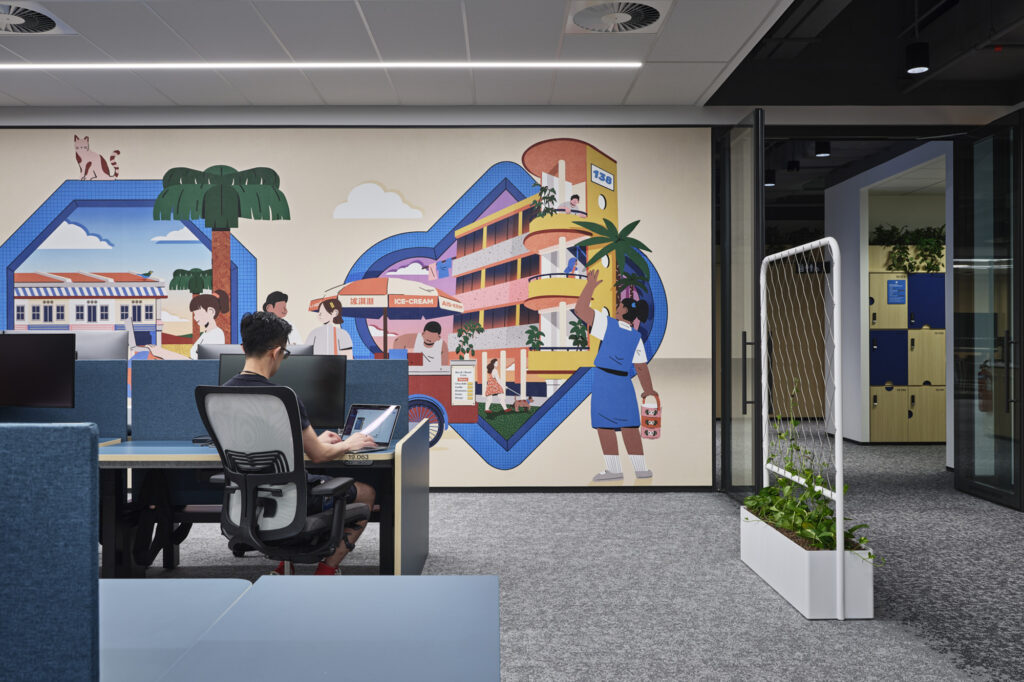
Singapore has emerged as the undisputed leader in workspace design innovation across the Asia-Pacific region, setting new standards for how technology and design convergence creates environments that enhance productivity, wellbeing, and business performance. The city-state’s unique combination of government vision, technological infrastructure, and international business demands has created a laboratory for office design experimentation that influences global workspace trends. This comprehensive analysis explores how Singapore’s pioneering approach to smart building integration, sustainable design principles, and human-centric environments positions the nation at the forefront of the future workplace revolution.
Singapore’s Smart Nation Vision and Workplace Evolution
Singapore’s Smart Nation initiative has fundamentally transformed the approach to workspace design, creating an ecosystem where advanced technology seamlessly integrates with human-centred design principles to deliver unprecedented workplace experiences. The government’s commitment to digital transformation has established Singapore as a testbed for innovative workplace technologies that are subsequently adopted throughout the APAC region and globally.
The convergence of artificial intelligence, Internet of Things (IoT), and sustainable design practices has enabled Singapore’s commercial properties to achieve levels of efficiency and user experience that were previously unattainable. Office design in Singapore now encompasses predictive analytics, automated environmental controls, and personalised workspace experiences that adapt to individual preferences whilst maintaining overall system optimisation.
The nation’s strategic focus on becoming a global hub for innovation and entrepreneurship has attracted multinational corporations and technology companies that demand cutting-edge workplace environments, creating market conditions that drive continuous innovation in workspace design and building technology integration.
Government Initiatives Driving Innovation
The Building and Construction Authority’s (BCA) digital transformation roadmap has accelerated adoption of Building Information Modelling (BIM), smart building systems, and integrated facility management platforms that enable unprecedented levels of building performance monitoring and optimisation.
Green building initiatives through the Green Mark certification scheme have pushed office design beyond traditional sustainability measures to encompass regenerative design principles that actively improve environmental conditions whilst supporting occupant health and productivity.
Smart Building Technologies Redefining Workspace Experience
Singapore’s leadership in smart building technology implementation has transformed workspace design from static environments to dynamic, responsive ecosystems that continuously adapt to occupant needs, environmental conditions, and business requirements. This technological sophistication creates workplace experiences that enhance both individual productivity and organisational performance.
Integrated IoT Ecosystems and Environmental Intelligence
Advanced sensor networks throughout Singapore’s commercial buildings monitor air quality, lighting levels, temperature, humidity, and occupancy patterns in real-time, enabling automatic adjustments that maintain optimal conditions whilst minimising energy consumption. These systems represent the most sophisticated office design integration of environmental intelligence currently available globally.
Machine learning algorithms analyse occupancy patterns and environmental data to predict space utilisation needs, automatically adjusting lighting, climate control, and space configurations to optimise both comfort and energy efficiency throughout different times of day and seasonal variations.
The integration of indoor positioning systems enables personalised environmental controls that follow employees throughout the building, automatically adjusting workstation conditions, lighting preferences, and temperature settings based on individual profiles and historical usage patterns.
Artificial Intelligence and Predictive Workspace Management
AI-powered building management systems in Singapore’s commercial properties represent the most advanced implementation of predictive workspace design optimisation currently available. These systems anticipate maintenance needs, optimise resource allocation, and continuously improve performance through machine learning algorithms that adapt to changing usage patterns.
Predictive analytics platforms analyse historical data and real-time inputs to forecast space demand, enabling dynamic space allocation that maximises utilisation whilst ensuring availability for planned activities and spontaneous collaboration needs.
Advanced facial recognition and mobile integration systems provide seamless access control whilst generating valuable analytics about space utilisation patterns that inform continuous office design improvements and strategic planning decisions.
Human-Centric Design Principles and Wellness Integration
Singapore’s approach to workspace design prioritises human wellbeing and productivity through evidence-based design principles that integrate biophilic elements, wellness technologies, and flexible environments that support diverse work styles and cultural preferences across the region’s multicultural workforce.
Biophilic Design and Natural Integration
Singapore’s tropical climate and commitment to becoming a “City in a Garden” has influenced office design to incorporate extensive biophilic elements that connect indoor environments with nature through living walls, indoor gardens, water features, and natural materials that support both wellness and cultural identity.
Advanced horticultural systems integrate with building automation platforms to maintain optimal growing conditions for interior plants whilst contributing to air purification, humidity regulation, and acoustic comfort that enhances overall workplace environmental quality.
Natural lighting optimisation through advanced glazing systems, automated shading controls, and daylight harvesting technologies maximise beneficial natural light exposure whilst minimising heat gain and glare in Singapore’s intense tropical conditions.
Wellness Technology and Health Monitoring
Air quality monitoring systems in Singapore’s commercial buildings exceed international standards, incorporating advanced filtration, continuous monitoring, and real-time reporting that ensures optimal indoor environmental quality that supports cognitive performance and respiratory health.
Circadian lighting systems automatically adjust colour temperature and intensity throughout the day to support natural sleep-wake cycles, reducing fatigue and improving alertness whilst accommodating the diverse cultural backgrounds and work patterns of Singapore’s international workforce.
Advanced ergonomic systems integrated with workstation technology monitor posture, movement patterns, and usage behaviours, providing personalised recommendations and automatic adjustments that support physical health and prevent repetitive stress injuries.
Flexible and Adaptive Space Solutions
Singapore’s workspace design leadership is exemplified through innovative approaches to space flexibility that accommodate rapidly changing business needs, diverse work styles, and the cultural preferences of the region’s multicultural workforce whilst maintaining efficiency and cost-effectiveness.
Activity-Based Working and Dynamic Space Allocation
Singapore’s commercial properties feature sophisticated space management systems that enable real-time reconfiguration of work environments based on immediate needs, scheduled activities, and predictive analytics that anticipate future space requirements.
Modular furniture systems integrated with building infrastructure allow rapid reconfiguration of spaces from individual focus areas to collaborative zones to presentation environments, supported by mobile technology platforms that coordinate booking, setup, and resource allocation.
Office design in Singapore emphasises seamless transitions between different work modes, with acoustic solutions, privacy controls, and environmental adjustments that automatically adapt as spaces transform to support different activities throughout the day.
Cultural Adaptability and Inclusive Design
Singapore’s multicultural workforce has driven workspace design innovations that accommodate diverse cultural preferences, work styles, and communication patterns through flexible environments that can be adapted for different cultural norms and business practices.
Prayer and meditation spaces, diverse food service options, and flexible meeting configurations accommodate the religious, dietary, and cultural needs of Singapore’s international workforce whilst promoting inclusion and cultural sensitivity.
Advanced translation technology integrated with meeting room systems supports multilingual collaboration whilst maintaining the nuanced communication essential for effective international business operations.
Sustainability and Regenerative Design Leadership
Singapore’s commitment to environmental sustainability has positioned the nation as a leader in regenerative workspace design that goes beyond carbon neutrality to create buildings that actively improve environmental conditions whilst providing superior workplace experiences.
Carbon-Neutral and Net-Positive Buildings
Singapore’s most advanced commercial properties achieve net-positive energy performance through integrated renewable energy systems, advanced energy storage, and building-integrated photovoltaics that generate more energy than they consume whilst maintaining world-class office design standards.
Advanced rainwater harvesting and greywater recycling systems integrated with building automation platforms achieve water neutrality whilst supporting the lush landscaping that characterises Singapore’s biophilic workspace design approach.
Carbon capture and storage systems integrated with building HVAC systems actively remove carbon dioxide from the atmosphere whilst providing superior indoor air quality that supports occupant health and cognitive performance.
Circular Economy Integration and Waste Elimination
Office design in Singapore increasingly incorporates circular economy principles through modular systems that can be reconfigured, upgraded, and eventually recycled without waste generation, supported by comprehensive lifecycle tracking and planning systems.
Advanced waste management systems integrated with building automation platforms eliminate waste streams through comprehensive recycling, composting, and resource recovery that converts waste into valuable resources for building operations and local community use.
Cradle-to-cradle material selection ensures that all workspace design elements can be safely returned to biological or technical cycles at the end of their useful lives, supporting Singapore’s zero waste goals whilst maintaining aesthetic and functional excellence.
Technology Integration and Digital Workplace Platforms
Singapore’s leadership in workspace design extends to comprehensive digital workplace integration that creates seamless experiences between physical and virtual work environments, supporting hybrid work arrangements whilst maintaining collaboration effectiveness and cultural cohesion.
Unified Digital Workplace Ecosystems
Comprehensive digital platforms integrate all aspects of workplace experience from space booking and resource scheduling to collaboration tools and performance analytics, providing employees with intuitive interfaces that simplify complex building systems and services.
Augmented reality applications integrated throughout Singapore’s commercial properties provide contextual information, wayfinding assistance, and interactive building system controls that enhance user experience whilst reducing the learning curve for building navigation and service access.
Virtual and mixed reality meeting spaces enable immersive collaboration experiences that transcend physical limitations whilst maintaining the human connection essential for effective teamwork and cultural exchange.
Data Analytics and Continuous Improvement
Advanced analytics platforms integrated throughout Singapore’s commercial buildings generate comprehensive insights into space utilisation, employee satisfaction, environmental performance, and business productivity that inform continuous office design improvements and strategic planning decisions.
Predictive maintenance systems utilise machine learning algorithms and IoT sensor data to anticipate equipment failures and optimise maintenance scheduling, ensuring uninterrupted workplace operations whilst minimising costs and environmental impact.
Real-time feedback systems enable immediate adjustments to environmental conditions, space configurations, and service delivery based on occupant preferences and satisfaction metrics, creating continuously improving workplace experiences.
Cultural Innovation and Regional Leadership
Singapore’s unique position as a multicultural hub has driven workspace design innovations that accommodate diverse cultural practices whilst creating inclusive environments that leverage cultural diversity as a source of innovation and competitive advantage.
Cross-Cultural Collaboration Spaces
Office design in Singapore incorporates flexible meeting and collaboration spaces that can be adapted for different cultural communication styles, decision-making processes, and business practices, supporting effective international business operations across the diverse APAC region.
Advanced communication technologies integrated with cultural sensitivity features support effective collaboration across language barriers, cultural differences, and varying business practices whilst maintaining the authenticity and nuance essential for international relationship building.
Cultural celebration and community spaces within commercial properties support the diverse festivals, traditions, and practices of Singapore’s international workforce whilst creating opportunities for cultural exchange and community building.
Innovation Hubs and Entrepreneurship Support
Singapore’s workspace design increasingly incorporates innovation hubs, incubators, and entrepreneurship support spaces that provide emerging companies and established organisations with access to cutting-edge facilities, mentorship resources, and collaboration opportunities that drive regional innovation.
Makerspaces and prototyping facilities integrated with commercial properties provide access to advanced manufacturing technologies, 3D printing, and rapid prototyping capabilities that support innovation and product development whilst maintaining professional workspace standards.
Venture capital and investment networking spaces create opportunities for entrepreneurs, investors, and established companies to interact and collaborate, supporting Singapore’s role as a regional hub for innovation and economic development.
Future Trends and Emerging Technologies
Singapore’s leadership in workspace design continues evolving through emerging technologies and innovative approaches that anticipate future work patterns whilst addressing evolving challenges related to climate change, demographic shifts, and technological advancement.
Autonomous Building Systems and AI Integration
Fully autonomous building management systems represent the next frontier in Singapore’s office design evolution, with AI platforms capable of managing all building operations without human intervention whilst continuously optimising performance based on occupant needs and environmental conditions.
Predictive space design utilising machine learning algorithms will enable buildings to anticipate and prepare for changing space needs, automatically reconfiguring environments based on scheduled activities, weather patterns, and occupancy predictions.
Biotechnology Integration and Living Buildings
Integration of biotechnology with building systems promises to create living buildings that actively purify air, generate energy, and produce resources whilst providing superior workspace design experiences that connect occupants with natural processes and cycles.
Advanced materials that respond to environmental conditions and occupant needs will enable buildings to adapt their physical properties in real-time, providing optimal conditions for different activities whilst minimising energy consumption and environmental impact.
Quantum Computing and Advanced Analytics
Quantum computing applications in building management will enable unprecedented levels of optimisation and prediction accuracy, supporting office design decisions and operations that achieve perfect balance between human needs, environmental impact, and economic performance.
Advanced simulation capabilities will enable virtual testing of workspace design concepts before implementation, reducing risks whilst accelerating innovation and enabling continuous improvement based on predictive rather than reactive analysis.
Regional Influence and Global Impact
Singapore’s innovations in workspace design increasingly influence development throughout the APAC region and globally, with successful concepts and technologies being adapted for different cultural contexts, climate conditions, and regulatory environments whilst maintaining core principles of sustainability, technology integration, and human-centric design.
The city-state’s success in creating world-class workplace environments has attracted international corporations to establish regional headquarters in Singapore, creating demand for even more sophisticated office design solutions whilst providing showcase opportunities for innovative concepts and technologies.
Singapore’s leadership in sustainable workspace design has influenced regulatory frameworks and market expectations throughout the APAC region, accelerating adoption of green building standards and sustainable business practices that benefit both environmental and business objectives.
Conclusion: Singapore’s Workspace Design Leadership
Singapore’s position as the leader in APAC workspace design innovation reflects the successful integration of government vision, technological advancement, and human-centric design principles that create environments supporting both individual wellbeing and organisational success. The nation’s commitment to sustainability, inclusivity, and technological excellence has established new standards for workplace environments that influence global trends.
The convergence of smart building technologies, biophilic design principles, and cultural sensitivity has created uniquely Singapore approaches to office design that balance high-performance building operations with human needs and environmental stewardship whilst supporting the diverse, international workforce that drives regional economic growth.
Singapore’s continued leadership in workspace design innovation positions the nation as the primary influence on future workplace development throughout APAC and globally, with emerging technologies and evolving work patterns creating new opportunities for innovation that will further distinguish Singapore as the premier destination for forward-thinking organisations seeking world-class workplace environments.
FAQs
How does Singapore's workspace design compare to other APAC markets?
What makes Singapore's smart building technology unique in office design?
How do cultural considerations influence workspace design in Singapore?
What sustainability features distinguish Singapore's commercial buildings?
How does Singapore's workspace technology support hybrid work arrangements?
What role does government policy play in Singapore's workspace innovation?
How do Singapore's workspace innovations influence other APAC markets?
What emerging technologies will shape Singapore's future workspace development?
Sources and References
This analysis draws from Singapore government initiatives, leading technology companies, and regional workplace research organisations:
Government and Policy Sources
- Smart Nation Singapore Initiative: Smart Nation Building Technology – https://www.smartnation.gov.sg/
- Building and Construction Authority (BCA) Singapore: BCA Digital Transformation – https://www1.bca.gov.sg/
- Urban Redevelopment Authority (URA): Sustainable Development Guidelines
- Singapore Green Plan 2030: National Sustainability Strategy
Industry Research and Market Analysis
- JLL Asia Pacific Workplace Research: APAC Workplace Innovation
- CBRE Singapore Commercial Real Estate: Singapore Workplace Technology
- Knight Frank Singapore Research: Singapore Office Market Trends
- Colliers International APAC: Regional Workplace Innovation
Technology and Innovation Sources
- Nanyang Technological University (NTU) Smart Campus: NTU Building Technology Research
- Singapore University of Technology and Design (SUTD): Sustainable Building Innovation
- Agency for Science, Technology and Research (A*STAR): Smart Building Technology
- Infocomm Media Development Authority (IMDA): Digital Workplace Technology
Professional Organisations and Standards
- Singapore Green Building Council (SGBC): Green Building Standards
- Singapore Institute of Architects (SIA): Architectural Innovation
- International Facility Management Association Singapore: IFMA Singapore Research
- Real Estate Developers’ Association of Singapore (REDAS): Commercial Development Trends
Research compiled and analysed as of September 2025. Singapore’s workspace design landscape continues evolving rapidly with emerging technologies and changing work patterns. For current innovation insights and implementation guidance, consult with Singapore-based workplace strategy professionals and technology specialists.


