

Tenant Fit-Out Guidelines: What Singapore Landlords Require.
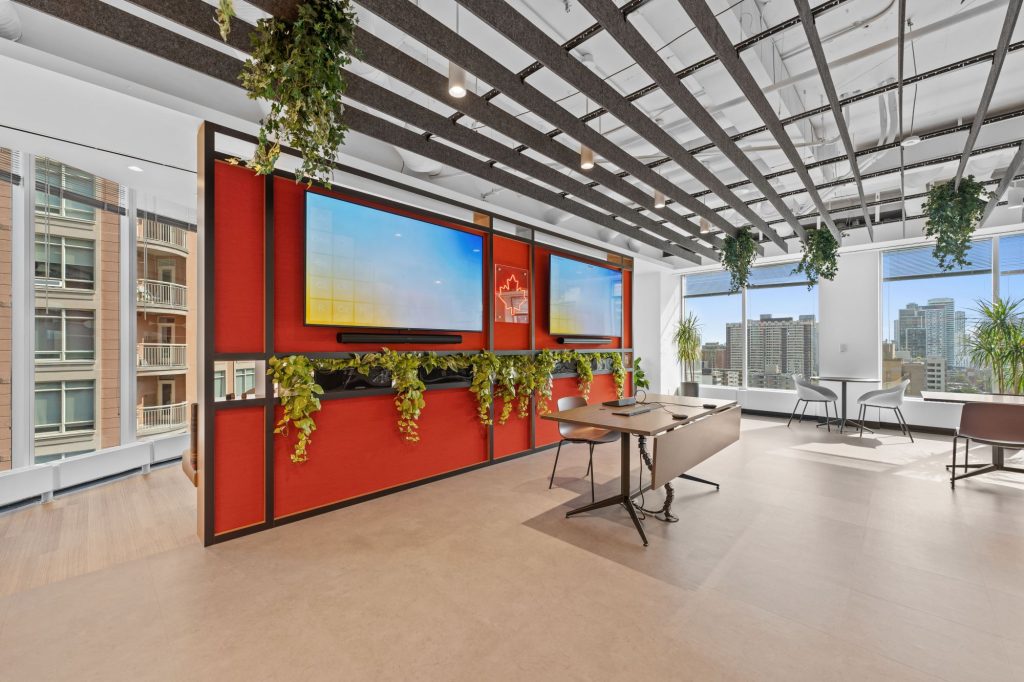
Every commercial landlord in Singapore issues tenant fit-out guidelines that govern how tenants can modify their leased premises. These documents, sometimes called house rules or tenancy handbooks, establish the technical requirements, approval processes, and operational restrictions that apply to all fit-out works within the building. Understanding and navigating these guidelines efficiently is essential for delivering office fit-out projects on time and within budget.
What Fit-Out Guidelines Typically Cover
Singapore landlord fit-out guidelines are comprehensive documents that address technical specifications, administrative procedures, and operational requirements.
On the technical side, they define:
- Permitted structural loads and floor loading limits
- Ceiling void access restrictions and coordination requirements
- Mechanical and electrical connection points and approved system interfaces
- Fire safety requirements aligned with FSSD guidelines
- Approved material specifications for finishes and partition systems
Administrative requirements include the submission and approval process for fit-out plans, insurance requirements, security deposit provisions, and the appointment of approved contractors or consultants. Many Grade A buildings in the CBD maintain a list of pre-approved contractors, and tenants may be required to select from this list for certain categories of work.
Operational restrictions cover construction hours, noise limitations, material delivery procedures, goods lift booking requirements, and waste disposal protocols. These restrictions directly affect the construction programme and must be factored into project planning from the outset.
The Approval Process
The fit-out approval process in Singapore follows a consistent structure across most commercial buildings, though timelines and specific requirements vary by landlord. Understanding each stage allows the project team to plan submissions and programme milestones accurately.
| 01 Design Submission | 02 Review Period | 03 Comments Issued | 04 Permit to Commence | 05 Construction Inspections | 06 Final Sign-Off |
| Drawings, specs and M&E schedules submitted to building management | Building management reviews against fit-out guidelines (typically 2 to 3 weeks) | Objections or required amendments returned to the design team for resolution | Written approval issued confirming scope, contractor, and operational conditions | Building management conducts periodic site inspections during works | Completion inspection confirms works match approved drawings before handover |
The review period for initial submissions is typically two to three weeks. Any comments or objections returned by building management restart the clock for the amended submission. A well-prepared first submission, with all required documents included, is the single most effective way to protect the project programme.
Planning an office fit-out in Singapore?
Facilitate’s independent project management firm bring deep familiarity with Singapore’s commercial landlord requirements. We coordinate submissions, manage approvals, and keep your programme on track from design to handover. Get in touch to discuss your project.
Common Restrictions at a Glance
The following table summarises the most frequently encountered restrictions in Singapore commercial fit-out guidelines, along with their typical impact on the construction programme. Programme impact ratings reflect how commonly these restrictions cause delays when not planned for in advance.
| Restriction Category | Typical Requirement | Programme Impact |
|---|---|---|
| Construction Hours | Generally restricted to after office hours to minimise disruption with other tenants. Saturdays typically 9am to 1pm. No works on Sundays or public holidays without special approval. | HIGH |
| Noise and Vibration | Demolition and wet works are restricted to off-peak hours or specific days in many Grade A buildings. | HIGH |
| Approved Contractors | Some landlords require works to be carried out by contractors from a pre-approved list. | MEDIUM |
| Goods Lift Booking | Material deliveries must be pre-booked and restricted to designated loading bays and service lifts. | MEDIUM |
| M&E Connections | All connections to base building systems require separate M&E consultant approval and coordination. | HIGH |
| Structural Loads | Any floor loading above the base building specification requires structural engineer certification. | MEDIUM |
| Fire Safety | All fire detection, suppression, and egress modifications require FSSD-compliant design and approval. | HIGH |
| Waste Disposal | Construction waste must be removed via designated routes and schedules. Skip placement requires approval. | LOW |
Preparing Your First Submission
Incomplete submissions are one of the leading causes of approval delays. Building management will typically reject or return submissions that are missing required documents, and the review period restarts from the date of resubmission. The checklist below covers the core documents required for a first submission to most Singapore commercial landlords.
First Submission Checklist: What to Include on Day One
Architectural
- ☐ Reflected ceiling plan showing all light fittings, diffusers, and smoke detectors
- ☐ Floor plan with furniture layout and partitioning scheme
- ☐ Detailed partition and door specifications
- ☐ Finishes schedule including floor, wall, and ceiling materials
Mechanical and Electrical
- ☐ Air conditioning layout and load calculations
- ☐ Electrical single-line diagram
- ☐ Lighting control schematic
- ☐ Fire alarm integration drawing
Structural
- ☐ Structural engineer’s certificate for any floor loading above base building specification
- ☐ Confirmation of no penetrations to structural slabs or columns
Administrative
- ☐ Contractor’s insurance certificates (public liability and workmen’s compensation)
- ☐ Security deposit confirmation
- ☐ Signed acknowledgement of fit-out guidelines and house rules
- ☐ Contractor registration with building management
Note: Requirements vary by building and landlord. Always request the specific fit-out guidelines for your building before commencing design. Missing documents on first submission will typically restart the review clock.
Common Challenges and How to Navigate Them
Even experienced project teams encounter challenges when navigating Singapore landlord requirements. The most frequent issues are predictable and manageable with the right approach.
Discovering restrictions that conflict with the design intent after significant design work has been completed is one of the most costly problems. Reviewing the fit-out guidelines thoroughly before commencing design prevents expensive redesign and resubmission cycles.
Coordinating with base building services is another common challenge. Connecting to the building’s chilled water system, electrical distribution, or fire alarm panel requires approval from the building’s M&E consultants, and this coordination process can take several weeks. It should be initiated as early as possible, ideally before design development begins.
Noise and vibration restrictions during construction hours can significantly compress the programme for demolition and wet works. Understanding these restrictions at the outset allows the contractor to sequence the work accordingly, avoiding last-minute programme conflicts.
The Advantage of Experienced Project Management
An independent project manager with familiarity across Singapore’s commercial property landscape brings practical knowledge of how different landlords operate, what they prioritise in submissions, and where approval processes are most likely to encounter friction.
This experience translates into tangible project benefits:
- Fit-out guidelines are reviewed and briefed to the design team before design commences, not after
- Submissions are prepared to the correct standard on the first attempt, protecting the programme
- Coordination with base building M&E consultants is initiated early and tracked through to resolution
- Contractor obligations under the house rules are clearly communicated and monitored during construction
Because an independent project manager works solely in the tenant’s interest, with no commercial relationship with the landlord or building contractors, their advice on how to approach the approval process is objective and focused entirely on achieving the best outcome for the client.
Conclusion
Landlord fit-out guidelines are a defining factor in the delivery of office fit-out projects in Singapore. The approval process, operational restrictions, and submission requirements all have a direct bearing on programme and cost. Early engagement with these requirements, thorough design coordination, and experienced project management are the foundations of a smooth approval process and efficient construction delivery.


